Best premium all-rounders 2026 - buyer’s guide
Last updated: October 21, 2026 (Changelog)
A bit of an arbitrary distinction here - what's a premium phone that can do it all, how does it differ from the true top dogs, and where do the aggressively-priced models that can pass for 'flagship killers' go? Well, we tried to make some sense out of it, and we ended up with a selection of phones priced around €600-€900 that didn't make it into our flagship or flagship-killer lists. And here we will try to suggest why you should consider one of these offers instead of a cheaper “killer” or a proper flagship device.
Editors' choice
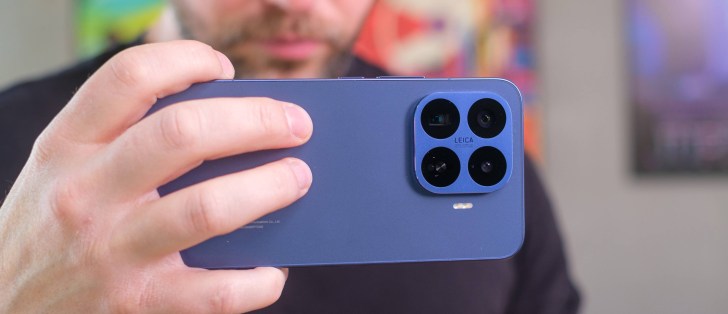
Xiaomi 17T Pro
| 256GB 12GB RAM | $ 579.50 |
£ 636.60 |
| 512GB 12GB RAM | $ 775.00 |
£ 699.00 |
- Premium design, IP68 certification
- Larger and brighter OLED panel with Dolby Vision
- Excellent camera performance, stills and videos, impressive telephoto cam
- Fast wired and wireless charging
- Excellent battery life
- Potent chipset
- Feature-rich HyperOS with 5 years of major OS updates
- No AF on the ultrawide, the selfie camera is just okay
- The 144Hz refresh rate is almost never utilized
- The wired charging is slightly downgraded
- Disappointing loudspeakers
The €700 Xiaomi 17T Pro is a solid all-rounder that's easy to recommend. It impresses with great camera hardware, excellent display, high-performance chipset and speedy wired and wireless charging. This year, the handset also stands out in the battery life race with solid endurance.
The Leica cooperation is paying off, as all rear cameras (50MP main, 50MP 5x tele/macro, 12MP UW) deliver outstanding photo and video quality day and night. Admittedly, if selfies are of utmost importance, one of the niche areas becomes more of a pressing issue.
Long story short - the Xiaomi 17T Pro is a very competent offering with a compelling set of flagship-grade capabilities and it’s one of the, if not the best phone you can get for about €700.
Read full review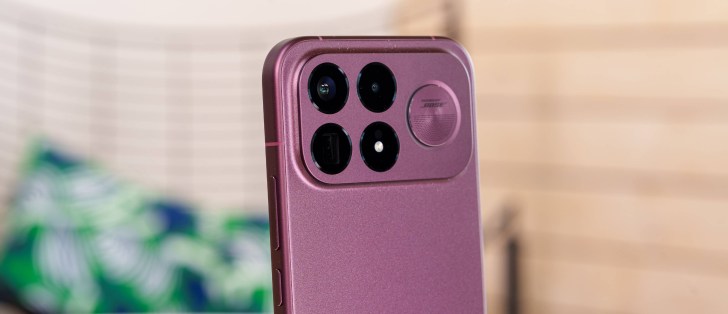
Xiaomi Poco F9 Ultra
| 256GB 12GB RAM | £ 630.77 |
€ 829.90 |
| 1TB 16GB RAM | £ 1,023.32 |
€ 1,099.00 |
- Excellent premium build
- Outstandingly bright and fast AMOLED display
- Excellent stereo speakers with dedicated subwoofer
- Superb battery life
- Top-tier Snapdragon 8 Elite Gen 5 performance
- Top-notch main camera; standout 5x telephoto
- Somewhat heavy
- Runs hot and throttles heavily under prolonged load
- Ultrawide camera still lacks autofocus
The Poco F9 Ultra is a very easy phone to like. The 6.9-inch AMOLED is one of the brightest displays we have measured and is an excellent panel in practically every other respect too. It is sharp, fast, HDR-capable and backed by Poco's dedicated display processing hardware for gaming. The 185Hz headline figure relates to a rather niche use, but the actual high-refresh-rate handling is still excellent.
Battery life is even more impressive. The huge 8,050mAh battery translates into chart-topping endurance, and managing to fit that much capacity into a body that is still recognizably a normal flagship smartphone is an achievement in itself.
The Snapdragon 8 Elite Gen 5 remains immensely powerful, even if it is exactly the same chipset found in the F8 Ultra. Performance is certainly not something the F9 Ultra lacks, but thermal behavior is less convincing. The phone gets quite hot under sustained heavy loads and throttles noticeably. Real-world gaming should still be perfectly fine, but this is clearly not the best implementation of Qualcomm's flagship silicon.
The audio experience remains one of the F9 Ultra's more unusual strengths. The symmetrical stereo speakers and dedicated rear subwoofer produce genuinely excellent sound with unusually convincing low-end response for a phone. The whole 2.1 setup may no longer be new to the series, having debuted on the F8 Ultra, but it remains distinctive in the wider smartphone market.
The camera system is similarly capable without being exceptional in any way. The new 200MP main camera is the standout, producing excellent photos at both 1x and 2x, with very good low-light results and some genuine extra resolving potential if you are willing to work with the huge 200MP files. The 5x telephoto is reliable and useful, while selfies are very good too. The ultrawide remains the weak link, particularly because it still lacks autofocus and falls apart somewhat in low light. Video recording is strong overall, especially from the main and telephoto cameras, and the Pro video features are unusually extensive.
The Poco F9 Ultra is fast, beautifully built and has an exceptionally long-lasting battery, superb display, excellent speakers and a capable camera system. It is one of the better all-round flagship packages currently available
Read full review
Motorola Signature
| 512GB 16GB RAM | $ 1,039.00 |
€ 849.00 |
- Premium build with IP68/IP69 rating and slim design
- Excellent LTPO AMOLED display with 165Hz refresh rate
- Very capable quad 50MP camera system
- Loud, high-quality stereo speakers tuned by Bose
- Clean Hello UI with useful extras and long update promise
- Versatile connectivity, including Wi-Fi 7, UWB and desktop mode
- Aggressive thermal throttling under sustained load
- Snapdragon 8 Gen 5 isn't competitive at this price point
- No eSIM support in some regions
- Motorola's 50W wireless charging dock is no longer available
The Motorola Signature brings a well-rounded, premium experience with very few obvious weak spots and plenty of highlights that justify its top-tier positioning.
The design and build quality are excellent, with a sleek yet sturdy chassis and Motorola's typical attention to durability. The display is another standout - sharp, vibrant and highly capable, even if its manual brightness isn't class-leading. The stereo speakers are superb as well, delivering loud and rich audio that easily ranks among the best in the segment.
Performance is undeniably flagship-grade. While the Snapdragon 8 Gen 5 isn't the absolute fastest chip available right now, it is more than powerful enough for everyday use and gaming. The main drawback is sustained performance, as the phone throttles quite aggressively under prolonged load and can get noticeably warm.
Battery life is solid but not particularly exciting by modern flagship standards. Endurance is respectable, and the charging setup is versatile with fast wired and wireless options, but competitors are starting to push capacity further.
Where the Signature delivers a strong showing is in imaging. The quad 50MP camera system is versatile and capable across all focal lengths, with the main and telephoto cameras producing pleasing results in good lighting. That said, video tuning isn't perfect - daytime clips can look a bit contrasty on the main and telephoto cameras, while detail levels are only average, especially in lower light. The ultrawide camera also trails slightly behind the rest of the setup with softer output overall. Still, the system remains well-rounded and dependable for everyday shooting.
Motorola's clean Hello UI remains a major selling point. It's fast, uncluttered and packed with thoughtful extras like Smart Connect and Moto AI. The promise of up to seven major Android updates is also a huge confidence booster for long-term ownership.
While the Motorola Signature is undeniably well-rounded and easy to like, the competition in this segment is a notch above in terms of features. We wouldn't actively discourage anyone from picking one up, but we would advise you to carefully consider your options and weight the pros and cons.
Read full review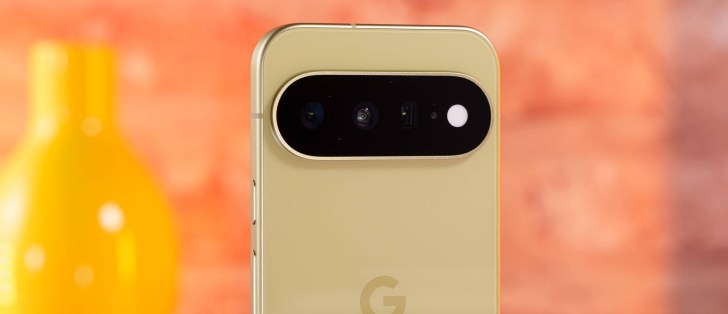
Google Pixel 11
| 256GB 12GB RAM | $ 829.97 |
£ 749.00 |
| 512GB 12GB RAM | $ 1,019.00 |
£ 899.00 |
- Premium, sturdy build and relatively compact dimensions
- Bright, sharp OLED with good HDR performance
- Good battery endurance, Qi2.2 magnetic wireless charging at up to 25W
- Clean and polished Android 17 experience with seven years of software support
- Solid overall camera quality, including a useful 5x telephoto
- Very good selfies with autofocus
- 256GB of storage now standard
- Fast and reliable ultrasonic fingerprint reader
- Too little has changed from the Pixel 10
- Tensor G6 performance still trails rival flagship chipsets, particularly on the GPU side
- Wired charging is slow by current Android flagship standards
- Ultrawide camera lacks autofocus; 2x photos from the main camera are unremarkable
- Telephoto camera isn't particularly sharp
- Video stabilization could be better while moving
Тhe Pixel 11 is a very good phone. It is well built, relatively compact, has a nice display, dependable battery life, a versatile camera setup and one of the best software support commitments around. Android 17 is smooth and polished, and the whole Pixel experience remains distinct enough to have an appeal of its own.
Google has essentially carried over the design, display, battery and wired charging from last year's model. The Pixel 11 does get a larger main camera sensor, the welcome move to 256GB of base storage and, of course, the new Tensor G6. Qi2.2 wireless charging is another meaningful upgrade. But taken together, these changes don't really make the Pixel 11 feel like a new generation of flagship hardware.
There are some rough edges, тоо. We'd have liked better 2x photos from the main camera, autofocus on the ultrawide and somewhat more convincing video stabilization while moving. Still, the camera experience as a whole remains one of the Pixel 11's stronger points. It may not have the most impressive camera hardware around, but the results are consistently dependable.
And that is perhaps the best way to describe the Pixel 11 in general: dependable. It doesn't really excel in many measurable areas, but there aren't many serious weaknesses either. The premium build is excellent, the ultrasonic fingerprint reader works well, the stereo speakers sound good, battery life is solid, the cameras are capable, and Google's seven-year software commitment is excellent.
Read full review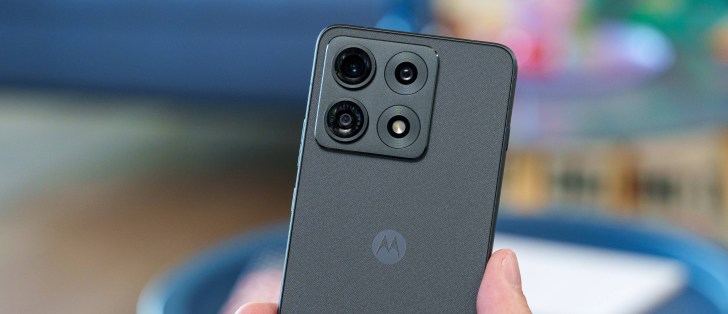
Motorola Edge 70 Max
| 256GB 8GB RAM | ₹ 52,490 |
|
| 256GB 12GB RAM | ₹ 59,490 |
- Sturdy metal and glass design with IP68/IP69 ingress protection
- Bright 144Hz LTPO OLED display
- Solid battery life with support for Qi2.2 magnetic wireless charging
- Selfies are pretty nice
- Clean-ish Android experience from Hello UI with advanced connectivity features
- Potent chipset with good sustained gaming performance
- No dedicated telephoto camera, UW cam is pretty basic
- Just a single storage tier available - 256GB
At first glance, the Motorola Edge 70 Max seems like a maxed-out model in the Edge 70 family. You get a large OLED screen, great gaming performance, excellent battery life and competitive fast charging, along with support for magnetic wireless charging.
However, the suboptimal camera experience is hard to ignore, especially when it's not difficult to find alternatives with better cameras across various price points. You could argue that Motorola focused on performance instead, and that’s the trade-off you are making if you choose the Max.
Long story short - the Motorola Edge 70 Max offers maximum performance at the expense of mediocre camera.
Read full review
Oppo Reno16
| 512GB 8GB RAM | $ 1,014.00 |
£ 649.00 |
| 256GB 8GB RAM | £ 599.00 |
€ 659.00 |
- Impeccable build, compact dimensions, IP66/IP68/IP69/IP69K certifications
- Good OLED screen, HDR10+
- Very good battery life
- Solid photos from all four cameras, class-leading selfies
- Convenient new hardware button, objectively useful AI features
- Uninspiring video quality
- The European model gets a smaller battery than before, slower charging, too
The Reno16 is a solid all-rounder with design, build and dimensions, and impressive battery life, being its key selling points. We have no complaints about the display and loudspeakers either. The camera performance is also pretty good, especially the selfie.
However, the less-than-impressive chipset in this class and the downgraded battery and charging (in Europe) put the Reno16 in a tough spot. There are much more powerful alternatives out there some of which have nicer cameras, too. The compact size and the impeccable build are quite tempting, though.
Read full review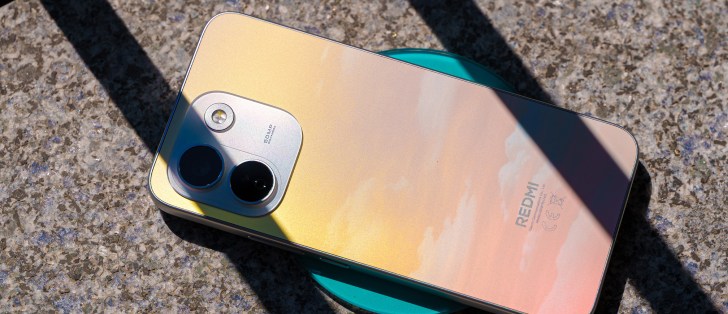
Xiaomi Redmi Note 17 Pro Max
| 256GB 8GB RAM | £ 399.00 |
|
| 512GB 8GB RAM | £ 449.00 |
€ 489.00 |
- Special attention to durability in all conditions
- Bright high-res OLED, 120Hz, 68B colors, Dolby Vision
- Great battery life
- Super-fast wired and reverse wired charging
- Dependable main and selfie cameras
- HyperOS 3 is a very solid software package
- Somewhat heavy
- No improvements in performance or camera image quality
- Only gets UFS 3.x storage speeds
The Redmi Note 17 Pro Max is not your typical Redmi Note, yet it is the one to shape this series and the next. This Pro Max delivers on its promises for battery life and charging; it impressed us with its screen, and it even managed to squeeze the maximum photo and video quality from the otherwise basic cameras.
Even better, the Note 17 Pro Max offers an incredibly durable design, powerful speakers, and feature-rich HyperOS.
The chipset performance, however, is not a strong suit of the Redmi Note 17 Pro Max. In fact, the entire Redmi Note lineup has seen a notable decline in this aspect. It's not that the Max is lacking power, but it doesn't have the punch we are used to seeing.
Overall, the Redmi Note 17 Pro Max is attractive for its battery life, durability and its great OLED screen.
Read full review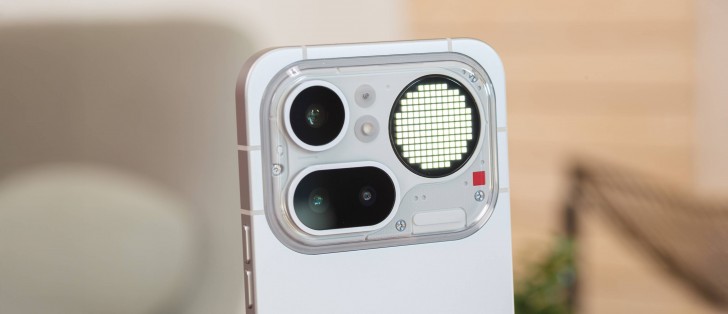
Nothing Phone (4a) Pro
| 128GB 8GB RAM | $ 499.00 |
₹ 45,688 |
| 256GB 8GB RAM | ₹ 49,949 |
- Premium aluminum unibody build, solid and well put together
- Large, smooth 144Hz AMOLED display with HDR support
- Excellent battery life and great thermal performance
- Clean, distinctive Nothing OS with useful AI features
- Good main camera and very capable telephoto in daylight
- Unique and functional Glyph Matrix interface
-
IP65 ingress protection rating is not competitive
- Camera performance is inconsistent across zoom levels and conditions
- Video recording quality and features lag behind rivals
- Charging speed is only average for the class
- No eSIM support on some market variants
The Nothing Phone (4a) Pro ends up being a somewhat curious addition to the lineup. It's not a dramatic step up over the vanilla model, yet it still commands a noticeable price premium. What it does bring to the table is a more refined overall package - better build materials, a larger and smoother display, a more capable chipset (particularly on the GPU side) and the more advanced Glyph Matrix implementation, which remains one of the most distinctive features in the segment.
In day-to-day use, the phone feels polished and dependable. Battery life is excellent, thermals are well under control, and Nothing OS continues to be one of the cleanest and most visually cohesive Android skins around. The added AI features and deeper system integrations are interesting, even if not all of them feel essential yet.
However, the Phone (4a) Pro isn't without its compromises. Performance is solid, but not class-leading for the price, and the same can be said about charging speeds. The camera system is a bit of a mixed bag - the main camera is consistently good, and the telephoto performs very well in daylight, but overall consistency isn't its strongest suit, especially at certain zoom levels and in video recording. Video capabilities in particular feel underdeveloped compared to some rivals.
All things considered, the Nothing Phone (4a) Pro is a well-rounded and likable mid-ranger with a unique identity, but it doesn't quite go far enough to clearly justify its "Pro" badge for most users. It's easy to recommend on its own merits, so it’s worth exploring if you like it.
Read our hands-on
Apple iPhone 17
| 256GB 8GB RAM | $ 733.38 |
£ 760.00 |
| 512GB 8GB RAM | $ 852.00 |
£ 879.99 |
- 6.3" LTPO 120Hz OLED with Always-On, HDR10 & Dolby Vision support
- 256 GB base storage (NVMe) at unchanged starting price
- PD3.2/AVS wired charging and up to 25W Qi2/MagSafe wireless; reverse wired supported
- Light, comfortable build with thinner bezels and IP68 protection
- Great battery life for the size; efficient A19 platform
- Excellent video quality and stabilization across all cameras; Dolby Vision up to 4K60
- Dependable main and ultrawide cameras
- 18MP selfie with OIS & PDAF delivers outstanding results; flexible multi-aspect capture
- Modern connectivity: Wi-Fi 7, UWB (gen2), satellite SOS/Find My, DP video out over USB-C
- No dedicated telephoto camera
- Gets hot and throttles under sustained load; no vapor-chamber cooling
- Display's peak brightness boost is very short-lived; sustained auto brightness ~1,000 nits, below iPhone 16, let alone class leaders
Apple finally gave the vanilla iPhone, the iPhone 17 in this case, the two upgrades that matter most day-to-day: a premium 120 Hz LTPO display (with thin bezels) and usable base storage. A meaningfully better selfie camera, an upgraded 48 MP ultrawide (with AF for macro) and finally some progress in terms of charging speed make this the best rounded vanilla model Apple has ever made. It is also by far the easiest iPhone to recommend in the 2025 lineup.
It's not like it's flawless, but none of the downsides are actually deal-breakers. The A19's lack of a vapor chamber means noticeable heat and throttling under sustained load, but how often are you even going to push it that hard. The stereo speakers are quieter than last year's, the USB port still operates at 2.0 speeds, and Apple has effectively capped the brightness to 1,000 nits in what we assume is an attempt to extend battery life. iOS 26 brings Liquid Glass, but lacks polish.
Thus the overall package is very compelling: a phone with traditional Apple aesthetics, Pro-grade screen and performance, a capable camera and usable storage capacity was never this cheap. We'd be amazed if it's not by far the most popular option in Apple's 2025 lineup. Read full review

Realme GT 8 Pro
| 256GB 12GB RAM | $ 1,249.00 |
£ 995.00 |
| 512GB 16GB RAM | $ 1,149.00 |
€ 823.36 |
- Interchangeable camera bump caps can be cool; the IP68/IP69-rated body is premium and nice to the touch
- Super-bright high-res OLED display, Dolby Vision capable too
- All-round excellent battery life, speedy charging
- Loud and great-sounding speakers
- Snapdragon 8 Elite Gen 5 is fast
- Thoroughly capable camera system; excellent stills, day and night; great for portraiture, nice closeups
- No AF on the ultrawide, the selfie camera is underwhelming
- Heavy GPU throttling under continued load
- Ultrawide camera lacks autofocus, so does the front-facing one
- The Ricoh GR photo mode has limited appeal to us
- Video stabilization is suboptimal
The Realme GT 8 Pro isn't exactly a new GT 7 Pro - it's looking like a slightly different kind of a proposition. This time around, Realme paid some special attention to the camera system - in addition to improving on the lineup's usual strong points. So yes, we have a super bright display that's even brighter than before, an extra large battery that's larger than last year, and, well, by definition, a better chipset.
But on top of that, we also get a high-end telephoto camera that's equally adept at closeups and distant subjects, and an ultrawide camera that doesn't look like it's coming from the previous decade (not that its lack of autofocus doesn't drag it down, but still). Realme chose a collaboration with Ricoh to spice things up and maybe that will draw in a customer or two, but we're not really seeing it as any sort of a real selling point.
Perhaps the most serious misstep of the GT 8 Pro is in its video stabilization, but it's not too bad? You could probably find a way to rationalize around that.
We're not sure how we feel about the whole camera bump accessorizing concept. It's unique, that's for sure. And the sampler set we received didn't strike us as particularly tacky or weird looking - maybe it's almost intriguing to be able to change things up a bit on what's by now become an extension of your hand.
Overall, the Realme GT 8 Pro feels like a proper flagship all-rounder ticking most of the right boxes. And if its feature set appeals to you, you will not regret buying this one.
Read full reviewMost recent updates
October 21, 2026: Added the Xiaomi 17T Pro as new top. Also added the Redmi Note 17 Pro Max, Oppo Reno16, Motorola Edge 70 Max, Pixel 11, Poco F9 Ultra. Removed the Poco F8 Ultra, Pixel 10, Reno15 Pro, Honor Magic7 Pro.
May 3, 2026: Added the Motorola Signature and Nothing Phone (4a) Pro.
February 6, 2026: Replaced the Xiaomi 15T Pro with the Poco F8 Ultra as new top pick. Replaced the OnePlus 13R with the OnePlus 15R, the Realme GT 7 Pro with the Realme GT 8 Pro. Added the Oppo Reno15 Pro (mini). Removed the Galaxy Z Flip7 FE and the OnePlus 13R.
October 19, 2025: Replaced the Xiaomi 14T Pro with the Xiaomi 15T Pro as new top pick. Replaced the Pixel 9 with Pixel 10, iPhone 16 with iPhone 17, Galaxy Z Flip6 with the Z Flip7 FE, Realme 14 Pro+ with the Realme GT 7 Pro, and Honor 400 with the Honor Magic7 Pro. Moved Motorola Edge 60 Pro and Honor 400 to other categories. Removed the vivo X200.
June 28, 2025: Replaced the Honor 200 Pro with the 400. Replaced the Pixel 8 with Pixel 9. Added the Motorola Edge 60 Pro.
February 23, 2025: Replaced the Xiaomi 14T with the Xiaomi 14T Pro. Replaced the iPhone 15 with the iPhone 16. Replaced the OnePlus 12R with the OnePlus 13R. Replaced the Realme 12 Pro+ with the Realme 14 Pro+. Added the vivo X200. Removed the Nothing Phone (2).
October 19, 2024: Replaced the Xiaomi 13T Pro with the Xiaomi 14T.
August 29, 2024: Replaced the Galaxy Z Flip 5 with the Z Flip 6. Added the Realme GT 6 and the Honor 200 Pro. Removed the Motorola Razr 40 Ultra.
April 14, 2024: Replaced the Realme 11 Pro+ with the Realme 12 Pro+. Replaced the OnePlus 11 with the OnePlus 12R. Removed the Zenfone 10.
November 7, 2023: Replaced the Xiaomi 12T Pro with the Xiaomi 13T Pro, also new top. Replaced the Pixel 7 with Pixel 8, replaced the Galaxy Z Flip4 with Z Flip5, the Zenfone 9 with the Zenfone 10. Removed the Oppo Find X5 Pro, Find N2 Flip, and the Motorola Edge 40. Added the Nothing Phone (2) and the Realme 11 Pro+
October 17, 2023: Added the iPhone 15.
June 13, 2023: Added the Oppo Find X5 Pro and the Motorola Razr 40 Ultra. Replaced the Motorola Edge 30 Fusion with the Motorola Edge 40.
March 21, 2023: Added Oppo Find N2 Flip.
March 13, 2023: Moved OnePlus 10 Pro to flagship killers category, added OnePlus 11.
November 1, 2022: Added the Motorola Edge 30 Fusion, Samsung Galaxy Z Flip4, Pixel 7, Asus Zenfone 9, Xiaomi 12T Pro, OnePlus 10 Pro. Moved the Xiaomi 12 Lite, Nothing phone (1), Poco X4 GT, Galaxy A53 5G, OnePlus Nord 2T, Redmi Note 11 Pro+ 5G, and the Realme GT Neo3 to other categories.
October 19, 2022: Added Nothing phone (1) and Xiaomi 12T Pro. Moved the Realme 9 Pro+ to another category.
July 14, 2022: Added the Xiaomi 12 Lite, Poco X4 GT, Redmi Note 11 Pro+ 5G, Realme GT Neo 3 150W, Sony Xperia 10 IV, OnePlus Nord 2T, Realme 9 Pro+ 5G, Realme GT Neo 2, Samsung Galaxy A53 5G. Removed the Galaxy A52s, Realme GT Master, Xiaomi 11 Lite 5G NE, Motorola Edge 20 and the Realme X7 Max 5G.
December 7, 2021: Reorganized this category by moving the OnePlus Nord 2, Xiaomi 11T, Motorola Edge 20 Pro, Xiaomi 11T Pro, Pixel 6, Asus Zenfone 8 Flip and the Samsung Galaxy Z Flip3 to Flagship Killer category. Removed the Apple iPhone 13 and the OnePlus 9.
November 30, 2021: Added the Realme X7 Max 5G.
November 15, 2021: Added the Motorola Edge 20 Pro, OnePlus 9, Xiaomi 11T Pro, and the Zenfone 8 Flip.
November 8, 2021: Replaced the Moto G100 with Motorola Edge 20. Replaced the Apple iPhone 12 with the iPhone 13. Replaced Pixel 5 with Pixel 6. Replaced OnePlus Nord with OnePlus Nord 2 5G. Replaced the Samsung Galaxy Z Flip 5G with Galaxy Z Flip3 5G. Added Realme GT Master, Xiaomi 11T, Xiaomi 11 Lite 5G NE, and the Samsung Galaxy A52s (as new Editor's Choice). Removed the OnePlus 8T and Motorola RAZR 5G.
June 30, 2021: Moved Realme GT 5G to Flagship killers.
May 20, 2021: Replaced the Moto Edge with Moto G100. Added Realme GT 5G. Removed LG Velvet, Huawei P30 Pro.
Nov 27, 2020: Replaced the Apple iPhone 11 with 12. Replaced OnePlus 7T with 8T. Replaced the Samsung Galaxy Z Flip with Z Flip 5G. Added LG Velvet, Google Pixel 5, OnePlus Nord, and Motorola Razr 5G.
Best phones by category








Best premium all-rounders 2026 - buyer’s guide - Reader comments
- Anonymous
- yat
How is the F8 Ultra in this list and the F8 pro is in the flagship killer list? They should be switched


Tip us
2.1m 180k
RSS
EV
Merch
Log in I forgot my password Sign up