Best camera phones 2026 - buyer’s guide
Last updated: October 18, 2026 (Changelog)
The best camera phones are usually the best phones overall, and you'll mostly find flagships in this category - the likes of the latest Galaxies and iPhones typically deliver the highest image quality of the time.
Google Pixels may have lost their edge in computational photography but we still have one to recommend if you're after that Pixel look. Xiaomi and Oppo have made great strides in the camera field too and often offer unusual hardware that delivers outstanding image quality. Finally, there's also a camera phone to get if you're on a budget - non-flagships can take nice pictures too.
Editors' choice
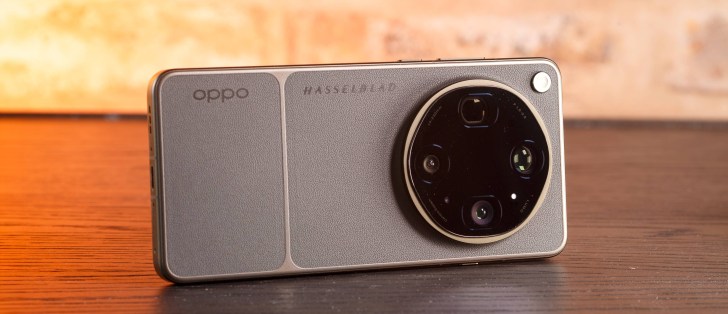
Oppo Find X9 Ultra
| 1TB 16GB RAM | $ 2,276.00 |
£ 2,195.00 |
| 512GB 12GB RAM | € 1,454.80 |
₹ 169,999 |
- IP66/IP68/IP69 rating, comfortable and sturdy design (Tundra Umber version)
- Bright and feature-packed display
- The camera Quick Button may be useful for some photos, Snap Key is another nice bonus
- Supremely capable camera system for stills, day and night - excellent main camera, great zoom action from both telephotos, surprisingly good ultrawide
- Feature-packed software eligible for 5 years of upgrades
- Several cool, optional camera-centric accessories available at launch
- 144Hz screen refresh rate is almost never utilized
- GPU stability during prolonged loads leaves more to be desired
- Videos are a bit soft across the board
- Pricey at launch
The Oppo Find X9 Ultra is an excellent piece of tech, albeit pricier than other Ultras. It's not just a great cameraphone, it's a great all-rounder, too. It has an extra-long battery life, fast charging, a great display, although the full 144Hz is rarely utilized, and offers a nice, customizable software experience, which will get about five major upgrades in the future.
It's too early to say whether it's the best camera-centric phone in the first half of the year, but it's definitely up there with the best, and honestly, that should be enough. If you are looking for the best, this may as well be the one.
However, if video quality is on top of your priority list, that may not be the Find X9 Ultra's forte. Videos are soft-ish across the board, or at least they are not on an "ultra" level.
But among the big cameraphones, the gaps are so small that it will probably boil down to preferences regarding design, software, your favorite focal lengths and features more than anything else.
In the end, we cannot but highly recommend the Find X9 Ultra if you're in the market for a high-end cameraphone.
Read full review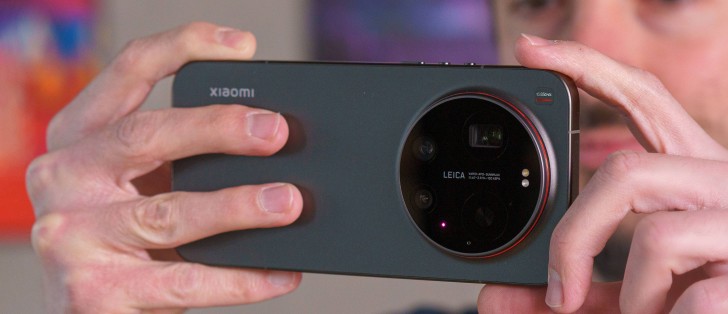
Xiaomi 17 Ultra
| 512GB 16GB RAM | $ 1,225.18 |
£ 1,099.00 |
- Premium and sturdy design, the limited Leica edition design is unique
- Even bigger display with plenty of nits and Dolby Vision
- Class-leading battery life; decently fast charging
- Loud and very nice-sounding speakers
- Feature-rich HyperOS; decent sustained performance
- Superb main camera, surprisingly good ultrawide, excellent telephoto across its entire (admittedly narrow) zoom range
- Leica edition's camera ring control is widely customizable and can be useful for the right crowd
- Very high price tag at launch
- Main camera's video stabilization is subpar; video quality in general is just alright
- Camera app is brimming with features and modes, and it can be overwhelming
- Shorter minimum focusing distance on the telephoto camera would have been appreciated
Despite the hefty price tag, which is even higher than last year, the Xiaomi 17 Ultra is one of the best flagship cameraphones you can get right now. Just like the rest of the flagship phones, the 17 Ultra has an excellent display, fast chipset, snappy charging and long battery life, although that last bit isn't a given.
However, the improved telephoto and selfie cameras, along with the exceptional main camera performance, make the device one of the best in its class. We also didn't feel the absence of the second 3x telephoto camera either, as the current 200MP telephoto shooter with continuous optical zoom and close-distance focusing covers all bases. The rotating camera ring on the 17 Ultra by Leica is a nice touch, but it's borderline gimmicky, and we had to turn it off to avoid accidental actuations.
All in all, the Xiaomi 17 Ultra is one of the most capable flagship cameraphones with little to no drawbacks. The exceptionally hefty price tag is the only thing you'd have to deal with. And on whether the Leica edition is worth the extra cost, it depends on how useful the rotating ring, the additional security chip and the dual satellite communication are to you. The unique design is another aspect to consider and we really loved it, but don't base your decision around the new rotating camera ring - as things stand, it's sitting mostly in gimmicky territory right now.
But no matter whether it’s the regular or Leica Edition, the Xiaomi 17 Ultra is one of the best cameraphones in year 2026 for sure.
Read full review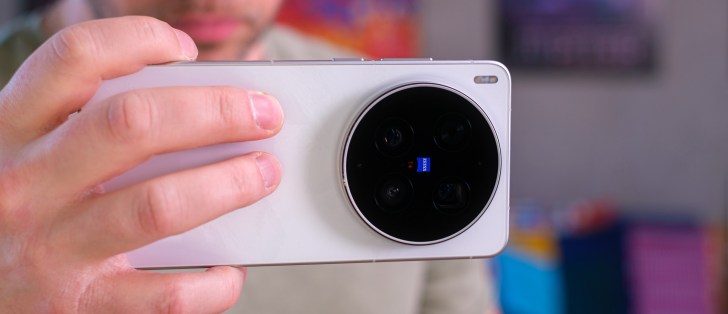
vivo X300 Ultra
| 1TB 16GB RAM | € 1,899.05 |
- Outstanding and versatile camera system with excellent daylight photo quality
- Feature-rich video recording with Dolby Vision, Log capture and superb stabilization
- Excellent LTPO AMOLED display with very high brightness and Ultra HDR support
- Flagship-grade Snapdragon 8 Elite Gen 5 performance
- Improved battery life and very fast 100W charging
- Premium build quality with IP68/IP69 ingress protection
- eSIM support on international units
- 144Hz screen refresh rate is almost never utilized
- No shortcut key or camera shutter button as seen in the previous models
- 4K video sharpness from some cameras could be better
- Portrait mode photos come out somewhat soft
- Prohibitively expensive, especially in Europe
The vivo X300 Ultra is exactly the sort of device an "Ultra" phone should be. It is unapologetically ambitious, unapologetically expensive and unapologetically camera-centric. And honestly, vivo has earned the right to be confident here because the X300 Ultra delivers on nearly every front that matters in a modern flagship.
Starting with the obvious, the camera experience is once again the star of the show. Vivo's decision to stick with a single telephoto setup instead of chasing dual-telephoto trends might sound conservative on paper, but the implementation proves otherwise. The 85mm zoom camera remains one of the most versatile telephoto solutions around, while the new 200MP 35mm main camera is simply superb. The ultrawide camera also continues to stand out from the crowd thanks to its unusually large sensor. Add the extensive video feature set, excellent stabilization and the genuinely useful Photography Kit ecosystem, and the X300 Ultra feels closer to a compact camera replacement than most of its rivals.
But the X300 Ultra is far from a one-trick pony. The display is excellent, the Snapdragon 8 Elite Gen 5 provides flagship-grade performance, charging is properly fast, and the battery life is noticeably improved compared to the previous generation. OriginOS 6 is also a major step forward for vivo's international software experience. It feels modern, polished and feature-rich in ways that older FuntouchOS releases didn't.
That said, there are still a few rough edges keeping the X300 Ultra from absolute perfection. Speaker quality is merely good rather than class-leading, and vivo's decision to remove the helper buttons like the Shortcut or Camera shutter key feels genuinely puzzling. We also expected better definition from the Portrait photo mode and the 4K videos.
Still, none of these complaints meaningfully change the bigger picture. The vivo X300 Ultra is one of the best Android flagships currently available and arguably one of the most complete camera phones ever made. If you are willing to stomach the asking price and can live with its rather massive camera island and hefty footprint, the X300 Ultra absolutely delivers an Ultra-grade experience.
Read full review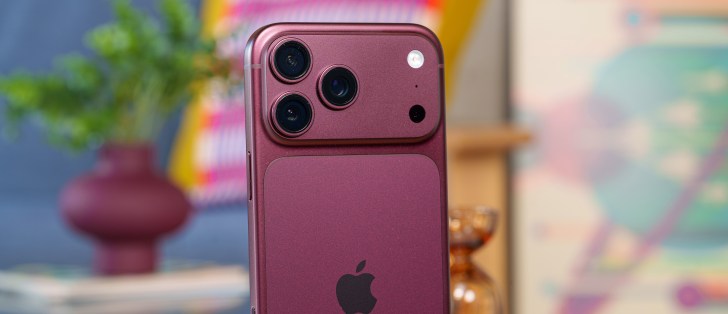
Apple iPhone 18 Pro Max
| 256GB 12GB RAM | $ 1,549.00 |
£ 1,299.00 |
| 512GB 12GB RAM | £ 1,499.00 |
€ 1,849.00 |
- 'Best iPhone ever'
- Durable and well-protected body
- Large LTPO OLED, smaller Dynamic Island
- Excellent battery life
- Superb speakers
- Fast wired and wireless charging
- Cutting-edge performance
- Solid photo quality across the board
- Great video capture quality
- Somewhat heavy
- Hardly any upgrades in the camera department
- New telephoto camera isn't the massive upgrade we hoped for
- European users are not getting Siri AI for now (if ever)
The Apple iPhone 18 Pro Max is undeniably a top-tier flagship - combining a durable premium build, a sharp display with a smaller cutout, class-leading battery life, outstanding cameras, and fluid iOS performance. And while few people will feel the A20 Pro upgrade in everyday use right now, we do believe its extra performance and memory bandwidth will pay off in the years to come.
Despite the impressive achievement of Apple's redesigned chip, the iPhone 18 Pro Max remains one of the most incremental updates in recent years. This is somewhat understandable, given that the 20th anniversary iPhone 20 arrives next year and the new iPhone Duo took center stage as this year's "one more thing."
Just like previous iPhones, the iPhone 18 Pro Max does amazing videos - no matter what the camera, the conditions, the chosen format - the iPhone 18 Pro Max will ace the scene. Once again Apple deserves praise for making a camera app that's suitable both for mainstream and pro users, something no one else in the industry can quite pull off.
So, is the iPhone 18 Pro Max worth buying? Absolutely. It remains an exceptional flagship packed with top-tier features. If it fits your needs - or if you're upgrading from an iPhone 15 Pro Max or earlier - it's an easy recommendation. And it can stand tall against any Android rival, too.
Read full review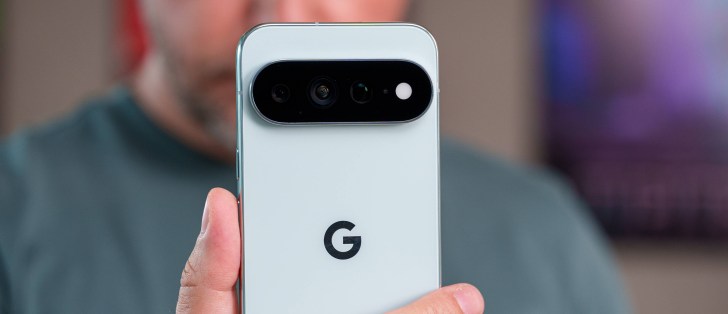
Google Pixel 11 Pro XL
| 256GB 12GB RAM | $ 1,249.99 |
£ 1,089.00 |
| 512GB 16GB RAM | $ 1,419.00 |
£ 1,299.00 |
- Premium design and feel, cool colors
- Class-leading max display brightness
- Battery life is finally on par with Samsung and Apple
- Relatively fast to charge; faster wireless charging
- Android 17 with Pixel-exclusive smarts, 7 years of updates
- Very good camera quality across the board
- No improvement in graphics performance
- Telephoto can't focus close and its video stabilization could be better
- HiLight has very limited functionality
The Pixel 11 Pro XL is a very good smartphone. It has a high-end build and premium look. Its display is outstanding with an incredibly dynamic refresh rate and HDR support. It impressed us with its battery life, and its charging speed is quite all right. And the speakers turned out pretty great.
The Pixel is known for its stellar camera experience, and the Pixel 11 Pro XL does deliver. It captured solid photos and videos day and night, even if it doesn't really shine by any metric. Still, the larger sensor of the zoom camera did help with improved quality.
The software experience was stellar. Android 17 is snappy and fluid; it's feature-rich, and you can easily make it yours. Android works and looks best on the Pixels, and that remains true for the 11 Pro XL
Google's Tensor chips have never been benchmark chart-toppers, and the Tensor G6 is no different. Sure, it delivers the promised CPU and AI boost, but the CPU is quick to throttle down under sustained load and the graphics chip is far from the competition in its capabilities.
And the single truly unique feature of the Pixel 11 phones - the HiLight on the back - turned out to be quite limited in functionality, and it's not the notification light many had hoped it would be.
Overall, the Pixel 11 Pro XL is a solid smartphone and worth considering for its great display, signature camera experience, and pure Android OS.
Read full review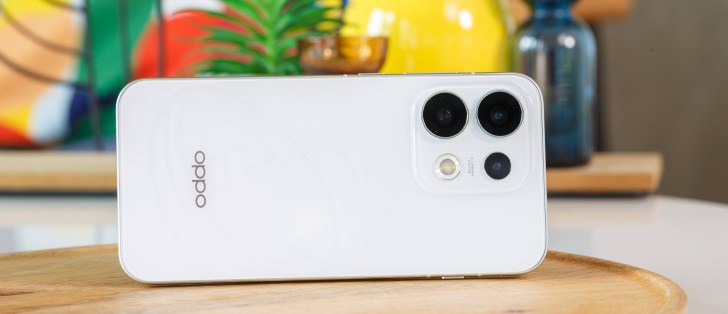
Oppo Reno16 Pro
| 512GB 12GB RAM | £ 719.00 |
€ 859.00 |
- Impeccable build, compact dimensions, IP66/IP68/IP69/IP69K certifications
- Bright OLED, HDR10+
- Impressive battery life (as reviewed with 6,700 mAh)
- Flagship-grade photos and videos from all four cameras, AF on the ultrawide too
- Convenient new hardware button, objectively useful AI features
- Throttles heavily under heavy load
- The European model gets a smaller battery than before
- Charging speed has been effectively downgraded
The Oppo Reno16 Pro feels like a premium phone and offers a bunch of premium features, too. It checks almost all boxes, especially for compact smartphone fans. It has an impeccable build, impressive battery endurance for the size, a complete and potent camera hardware and a solid display. The handset also adds a useful remappable hardware key.
The Reno16 Pro delivers a balanced image performance. You can expect generally very good results from all three rear cameras in daylight. Low-light performance is also without dealbreakers, but the detail is also leaving us a bit unimpressed. The selfie camera remains a major selling point thanks to its unusually wide lens and great photo quality. Video quality is very good from all three cameras in daylight, and the main and telephoto carry that into the night as well, where the ultrawide is a bit less convincing.
Overall, the Reno16 Pro is a well-built and lightweight premium phone with a commendable camera kit and quality. It does deliver across the board – display, battery life, design, charging. The performance is solid, too, just not on par with other phones in the same price bracket, though.
Read full review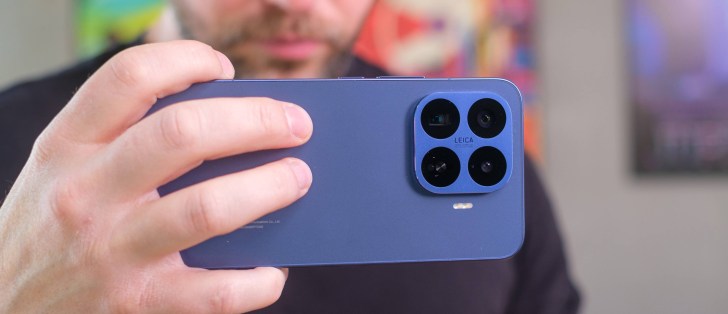
Xiaomi 17T Pro
| 256GB 12GB RAM | $ 579.50 |
£ 636.60 |
| 512GB 12GB RAM | $ 775.00 |
£ 699.00 |
- Premium design, IP68 certification
- Larger and brighter OLED panel with Dolby Vision
- Excellent camera performance, stills and videos, impressive telephoto cam
- Fast wired and wireless charging
- Excellent battery life
- Potent chipset
- Feature-rich HyperOS with 5 years of major OS updates
- No AF on the ultrawide, the selfie camera is just okay
- The 144Hz refresh rate is almost never utilized
- The wired charging is slightly downgraded
- Disappointing loudspeakers
The Xiaomi 17T Pro is a solid all-rounder that's easy to recommend. It impresses with great camera hardware, excellent display, high-performance chipset and speedy wired and wireless charging. This year, the handset also stands out in the battery life race with solid endurance..
The Leica cooperation is paying off, as all rear cameras (50MP main, 50MP 5x tele/macro, 12MP UW) deliver outstanding photo and video quality day and night. Admittedly, if selfies are of utmost importance, one of the niche areas becomes more of a pressing issue.
Long story short - the Xiaomi 17T Pro is a very competent offering with a compelling set of flagship-grade capabilities and it’s one of the, if not the best phone you can get for about €700. A flagship killer, if you will.
Read full review
Realme GT 8 Pro
| 256GB 12GB RAM | $ 1,249.00 |
£ 995.00 |
| 512GB 16GB RAM | $ 1,149.00 |
€ 823.36 |
- Interchangeable camera bump caps can be cool; the IP68/IP69-rated body is premium and nice to the touch
- Super-bright high-res OLED display, Dolby Vision capable too
- All-round excellent battery life, speedy charging
- Loud and great-sounding speakers
- Snapdragon 8 Elite Gen 5 is fast
- Thoroughly capable camera system; excellent stills, day and night; great for portraiture, nice closeups
- No AF on the ultrawide, the selfie camera is underwhelming
- Heavy GPU throttling under continued load
- Ultrawide camera lacks autofocus, so does the front-facing one
- The Ricoh GR photo mode has limited appeal to us
- Video stabilization is suboptimal
The Realme GT 8 Pro isn't exactly a new GT 7 Pro - it's looking like a slightly different kind of a proposition. This time around, Realme paid some special attention to the camera system - in addition to improving on the lineup's usual strong points. So yes, we have a super bright display that's even brighter than before, an extra large battery that's larger than last year, and, well, by definition, a better chipset.
But on top of that, we also get a high-end telephoto camera that's equally adept at closeups and distant subjects, and an ultrawide camera that doesn't look like it's coming from the previous decade (not that its lack of autofocus doesn't drag it down, but still). Realme chose a collaboration with Ricoh to spice things up and maybe that will draw in a customer or two, but we're not really seeing it as any sort of a real selling point.
Perhaps the most serious misstep of the GT 8 Pro is in its video stabilization, but it's not too bad? You could probably find a way to rationalize around that.
We're not sure how we feel about the whole camera bump accessorizing concept. It's unique, that's for sure. And the sampler set we received didn't strike us as particularly tacky or weird looking - maybe it's almost intriguing to be able to change things up a bit on what's by now become an extension of your hand.
Overall, the Realme GT 8 Pro feels like a proper flagship cameraphone ticking most of the right boxes. And if its feature set appeals to you, you will not regret buying this one.
Read full reviewMost affordable
Motorola Edge 70 Pro
| 256GB 8GB RAM | £ 494.00 |
€ 459.87 |
| 512GB 12GB RAM | £ 895.00 |
€ 653.36 |
- Thin, lightweight premium design with IP68/IP69 protection
- Bright, vibrant 144Hz AMOLED display
- Excellent battery life
- Very capable camera system with an excellent new 3.5x periscope telephoto
- Clean Android software with useful Moto AI additions
- Only 3 major Android OS updates
- Low-light video quality could be better
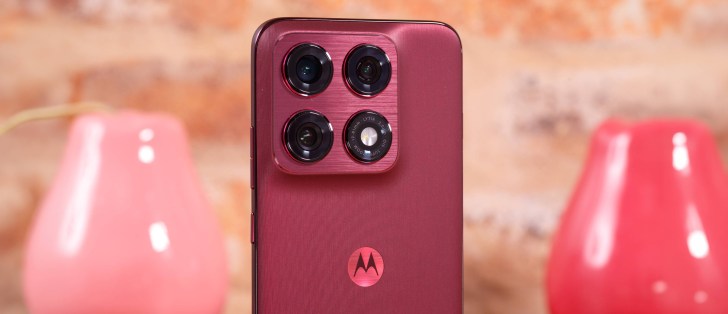
The Motorola Edge 70 Pro is another very solid addition to Motorola's Edge lineup. It builds intelligently on last year's model with a larger silicon-carbon battery, a brighter display, a welcome periscope telephoto upgrade and a more powerful chipset, all while becoming noticeably thinner and lighter. That's an impressive list of improvements for what is otherwise a fairly iterative generation..
The overall user experience is hard to fault. Battery life is among the best in the class; the AMOLED display is excellent; the software remains clean and pleasantly close to stock Android; and the camera system is consistently capable. The new 50MP periscope finally gives the Edge Pro series a telephoto camera worthy of the name and rounds out an already versatile imaging package.
The phone isn't without compromises, however. Motorola continues to lag behind many rivals when it comes to long-term software support, offering just three major Android upgrades. Charging, while still plenty fast, is no longer class-leading, and video recording - particularly in low light - isn't nearly as polished as the otherwise strong still photography.
The Edge 70 Pro price has fallen below €500, which has made the phone an incredible deal. Its combination of premium design, outstanding battery endurance, excellent display and versatile cameras makes it one of the more complete upper-midrange smartphones currently available.
Read full reviewMost recent updates
October 18, 2026: The Oppo Find X9 Ultra is the new top. Replaced the iPhone 17 Pro Max with the iPhone 18 Pro Max, the Xiaomi 15T Pro with the Xiaomi 17T Pro, the Motorola Edge 60 Pro with the Edge 70 Pro, the Pixel 10 Pro XL with the Pixel 11 Pro XL. Removed the Honor Magic8 Pro. Added the Oppo Reno16 Pro..
May 3, 2026: Replaced the vivo X300 Pro with the X300 Ultra, Oppo Find X9 Pro with Find X9 Ultra. Removed the Galaxy S25 Ultra.
February 6, 2026: Replaced the Xiaomi 15 Ultra with the Xiaomi 17 Ultra as new top. Replaced the Honor Magic7 Pro SRS with the Magic8 Pro, the Find X8 Pro with the Find X9 Pro. Added the Oppo Reno15 Pro (mini). Removed the Sony Xperia 1 VII, Huawei Pura 80 Ultra.
October 19, 2025: Replaced the vivo X200 Pro with the vivo X300 Pro. Replaced the iPhone 16 Pro Max with the iPhone 17 Pro Max, the Pixel 9 Pro XL with the Pixel 10 Pro XL, and the Xiaomi 14T Pro with the Xiaomi 15T Pro. Added the Huawei Pura 80 Ultra.
June 25, 2025: Replaced the Xiaomi 14 Ultra with the Xiaomi 15 Ultra as the new top. Replaced the Motorola Edge 50 Pro with the Motorola Edge 60 Pro. Replaced the Sony Xperial 1 VI with the Sony Xperia 1 VII.
February 23, 2025: Replaced the Galaxy S24 Ultra with the S25 Ultra, vivo X100 Pro with the X200 Pro. Added the Honor Magic7 RSR Porsche Design, Oppo Find X7 Pro. Removed the OnePlus 12, Realme 13 Pro+. Replaced the Xiaomi 13T Pro with the Xiaomi 14T Pro.
October 19, 2024: Replaced the iPhone 15 Pro Max with the iPhone 16 Pro Max.
August 25, 2024: Replaced the Sony Xperia 1 V with the Xperia 1 VI, the Google Pixel 8 Pro with the Pixel 9 Pro XL. Added the vivo X100 Pro, Motorola Edge 50 Pro and Realme 13 Pro+.
April 13, 2024: Replaced the Xiaomi 13T Pro with the Xiaomi 14 Ultra (new top). Replaced the Galaxy S23 Ultra with the S24 Ultra. Replaced the OnePlus Open with the OnePlus 12. Removed the Honor Magic5 Pro, Huawei P60 Pro and the Tecno Camon 20 Premier.
November 3, 2023: Replaced the iPhone 14 Pro Max with the iPhone 15 Pro Max, also new top. Replaced the Google Pixel 7 Pro with the Pixel 8 Pro. Added the Xiaomi 13T Pro and the OnePlus Open. Removed the Xiaomi 13 Ultra, Pixel 7, Xiaomi 12 Lite.
October 17, 2023: Added the Tecno Camon 20 Premier.
May 18, 2023: Added the Xiaomi 13 Ultra. Replaced the Sony Xperia 1 IV with the Sony Xperia 1 V. Replaced the Huawei Mate 50 Pro with the Huawei P60 Pro.
March 2023: Replaced the Galaxy S22 Ultra with the Galaxy S23 Ultra (new top). Replaced the Xiaomi 12S Ultra with Xiaomi 13 Pro. Replaced the vivo X80 Pro with the vivo X90 Pro. Replaced the Huawei P50 Pro with the Huawei Mate 50 Pro. Added Honor Magic5 Pro and vivo V27 Pro (as India Special). Removed the Xiaomi 12 Pro and Oppo Reno7.
November 10 2022: Added the Xiaomi 12 Lite as an affordable option.
November 1 2022: Replaced the iPhone 13 Pro Max with the iPhone 14 Pro Max. Replaced the Pixel 6 Po with the Pixel 7 Pro. Added Pixel 7 and Huawei P50 Pro. Removed the Oppo Find X5 Pro.
July 20, 2022: Added the Xiaomi 12S Ultra as a niche option.
June 29, 2022: Replaced the Galaxy S21 Ultra with the Galaxy S22 Ultra (new top). Replaced the Xiaomi Mi 11 Ultra with the Xiaomi 12 Pro. Replaced the vivo X70 Pro with the vivo X80 Pro. Added Oppo Find X5 Pro, Oppo Find X5 Lite/Reno 7 5G, Sony Xperia 1 IV. Removed the OnePlus 8 Pro, Zenfone 7 Pro, Realme 8 Pro, Pixel 5a 5G.
November 5, 2021: Added Google Pixel 6 Pro and vivo X70 Pro+. Removed the Oppo Find X3 Pro.
October 20, 2021: Replaced the Apple iPhone 12 Pro Max with the Apple iPhone 13 Pro Max. Replaced the Pixel 4a 5G with the Pixel 5a 5G.
May 10, 2021: Replaced the Samsung Galaxy S21 Ultra with the Mi 11 Ultra as our Editor's choice. Replaced the Realme 7 Pro with the 8 Pro. Removed the Huawei P30 Pro (now 2 years old and hard to find), the Mi Note 10 (old and hard to find), and Mi 10 Ultra (local to China and now replaced by the 11 Ultra).
Feb 16, 2021: Replaced the Samsung Galaxy Note20 Ultra with the Galaxy S21 Ultra as our Editor's choice.
Jan 05, 2021: Replaced the Realme 6 Pro with Realme 7 Pro.
Nov 27, 2020: Replaced the Samsung Galaxy S20 Ultra with the Galaxy Note20 Ultra as our Editor's choice. Replaced Apple iPhone 11 Pro with 12 Pro Max. Replaced OnePlus 7T Pro with OnePlus 8 Pro. Replaced the Pixel 4 XL with Pixel 4a 5G as the former is no longer on sale. Added the Zenfone 7 Pro, Xiaomi Mi 10 Ultra, and Huawei P40 Pro.
Best phones by category








Best camera phones 2026 - buyer’s guide - Reader comments
- flaminglemons
- pnY
Same here. I had apple, pixel, Motorola and samsung (never again!) but every time the pictures just didn't seem "right" - and from 14t Pro it was not long before I had my 15 ultra and I did not regret this once. photography grip is ...
- karan
- GR$
Choosing the right smartphone can be confusing because every brand promises the best camera, battery, and performance. To make things easier, here’s a list of the best mobile phones for different needs like gaming, photography, daily use, and battery...


Tip us
2.1m 180k
RSS
EV
Merch
Log in I forgot my password Sign up