Poco X8 Pro Max review
Design, build quality, handling
The Xiaomi X8 Pro Max has a modern and absolutely non-obtrusive design. It has the aggressively rounded corners with a big radius and the flat sides, as well as absolutely flat front and back. The middle frame is large and spacious, and both the display and the back panel are sunken into it.
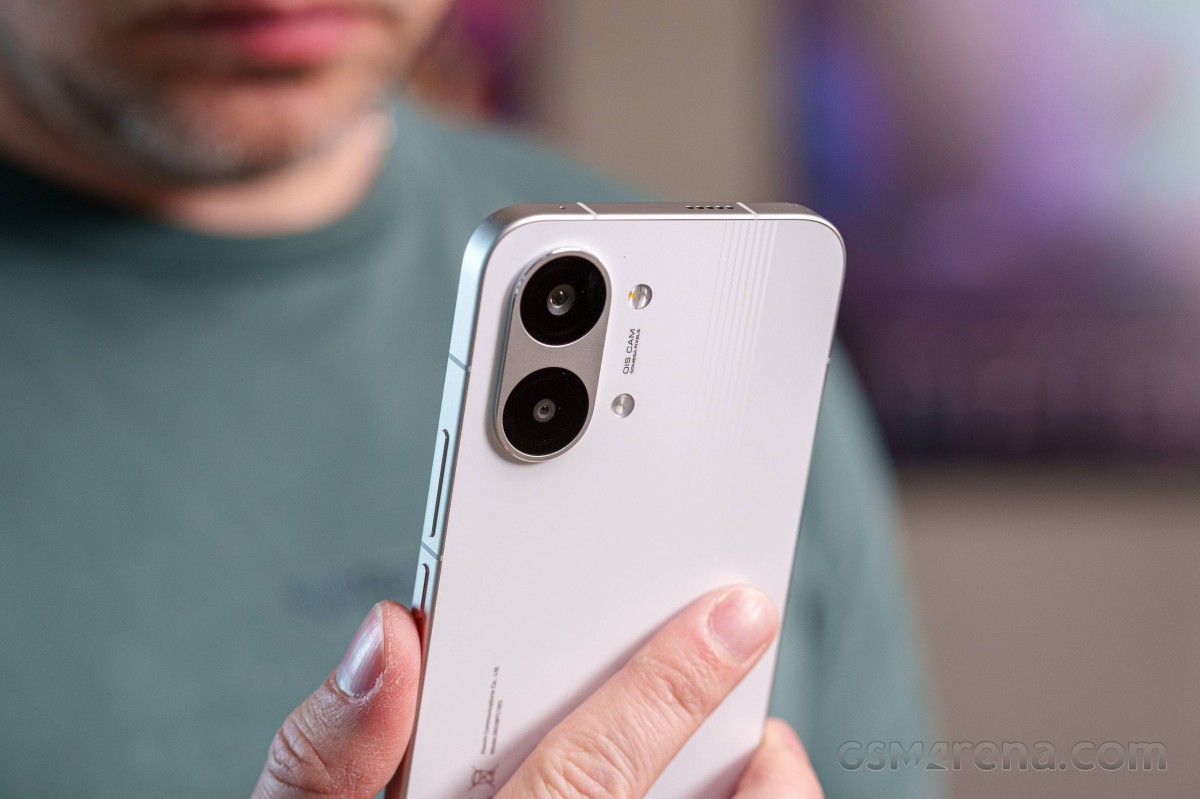
The middle frame is made of metal, as hinted by the visible antenna lines. The front is Corning Gorilla Glass 7i. The back is made of fiberglass. There is practically no flex or hollowness to the chassis, and the entire package is well-sealed with IP68 water and dust resistance certification in the EU and IP69K for other markets.
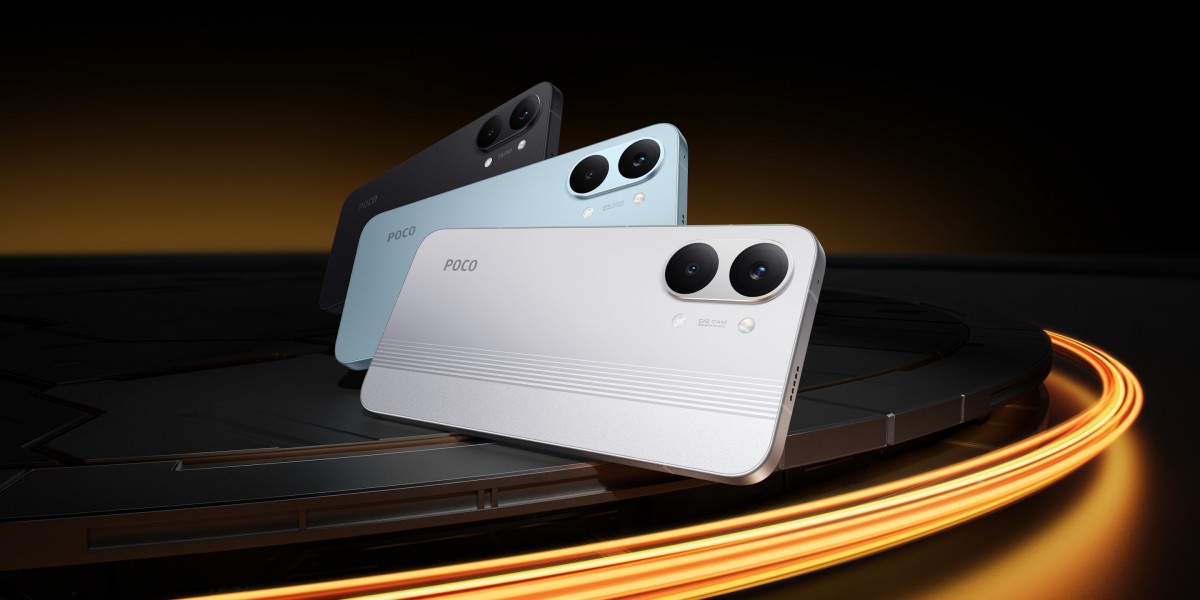
You can get the Poco X8 Pro Max in a trio of colors - White, Black and Blue. Our white review unit features a small design element on the back - the vertical stripes, which are not present on either the blue or the black variants. Those are just solid colors. Honestly, we can live with or without the stripes. The back side glass smudges a bit, but the smudges hardly show on our white unit.
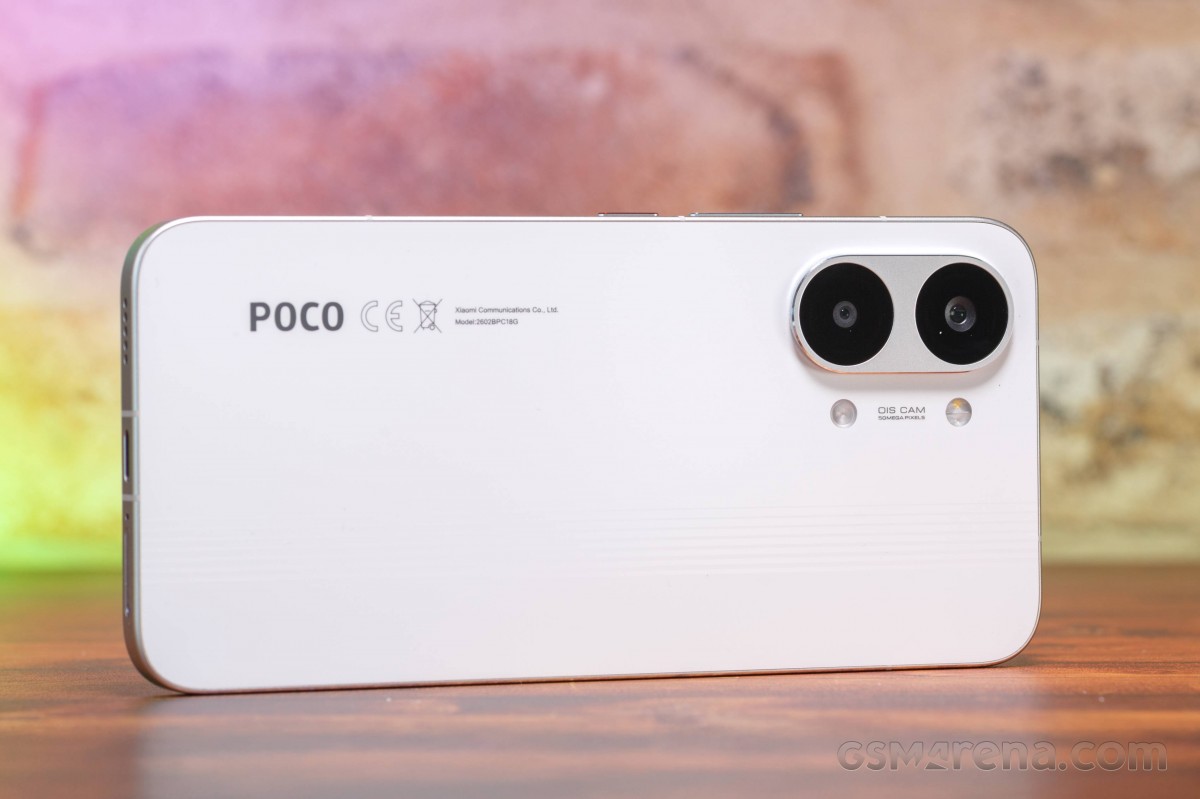
The camera island is not something we would call memorable or special in any way. Just a small, slightly-raised area that houses both cameras. There is a chamfer on the edge, which is something. We kind of wish Xiaomi had found a better spot for the CE and trashcan icons than smack in the middle of the back, but it is what it it is.
There are two RGB LED light rings, called Dynamic RGB lights, encircling the two cameras on the back of the phone. Each ring comprises four segments, but there doesn't seem to be an option to control the individual color of each section separately.
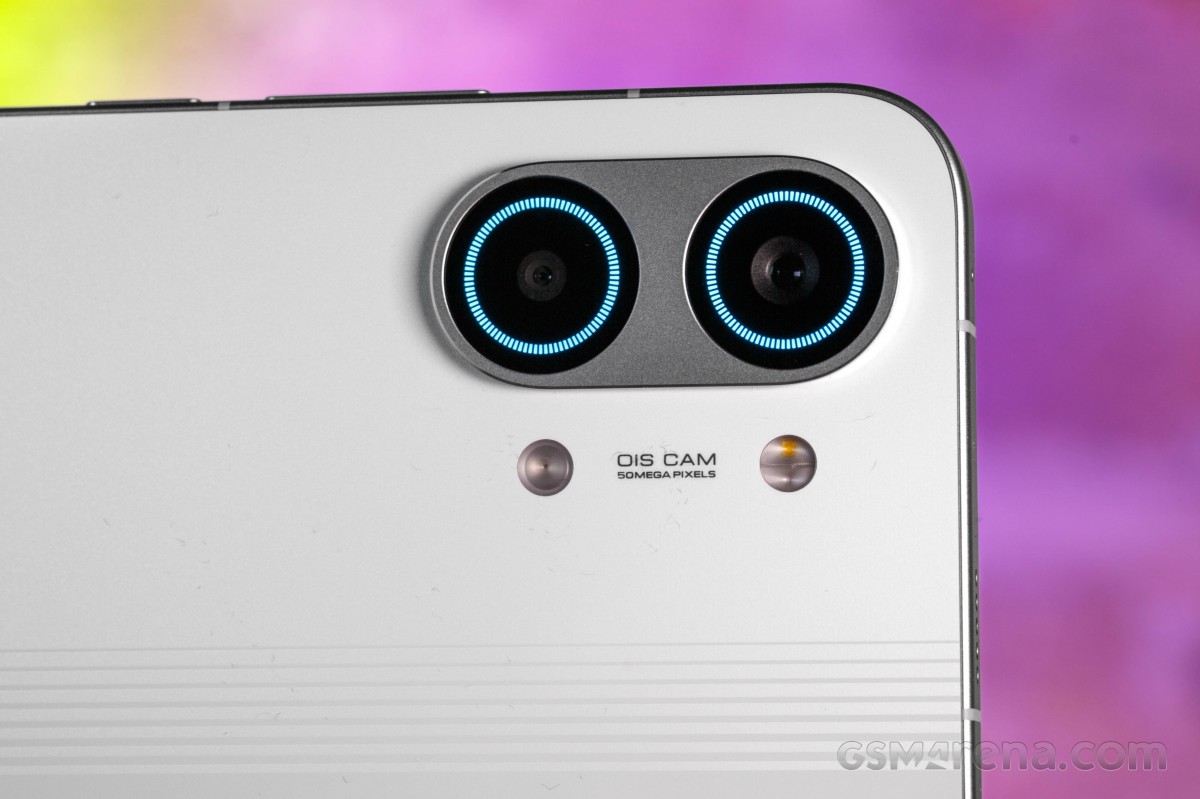
The LEDs can be used for a few things. The most useful of which would probably be as a visual signal for incoming calls and notifications, and for a visual timer for the camera app. The rings can also be used as a color-coded charging indicator: red when the battery is between zero and 20%, orange-yellow between 20% and 50%, white above 50% and green when fully charged.
Other less-useful use cases include a dynamic audio rhythm effect. By default, this effect forks on the most popular music apps, including Spotify, YouTube Music, Yandex Music, Shazam, JioSaavn, Zing MP3, Audiomack, Google Play Music, Amazon Music and Deezer. But you can add more apps manually as well.
Finally, some games offer integration with the lights, like PUBG MOBILE and Call of Duty, to visualize certain things like skydiving, combat, and dance.
The phone's control layout is perfectly standard. The left-hand side is empty, except for the antenna lines. The right-hand side houses the volume rocker and power button. Both are very well-positioned and comfortable to use with nice tactile feedback.




Xiaomi Poco X8 Pro Max
The top of the phone has a secondary microphone hole as well as a speaker grill for the top-firing symmetrical speaker. On the bottom is where we find the other speaker grill. The SIM tray and the main microphone, and, of course, the Type-C port.
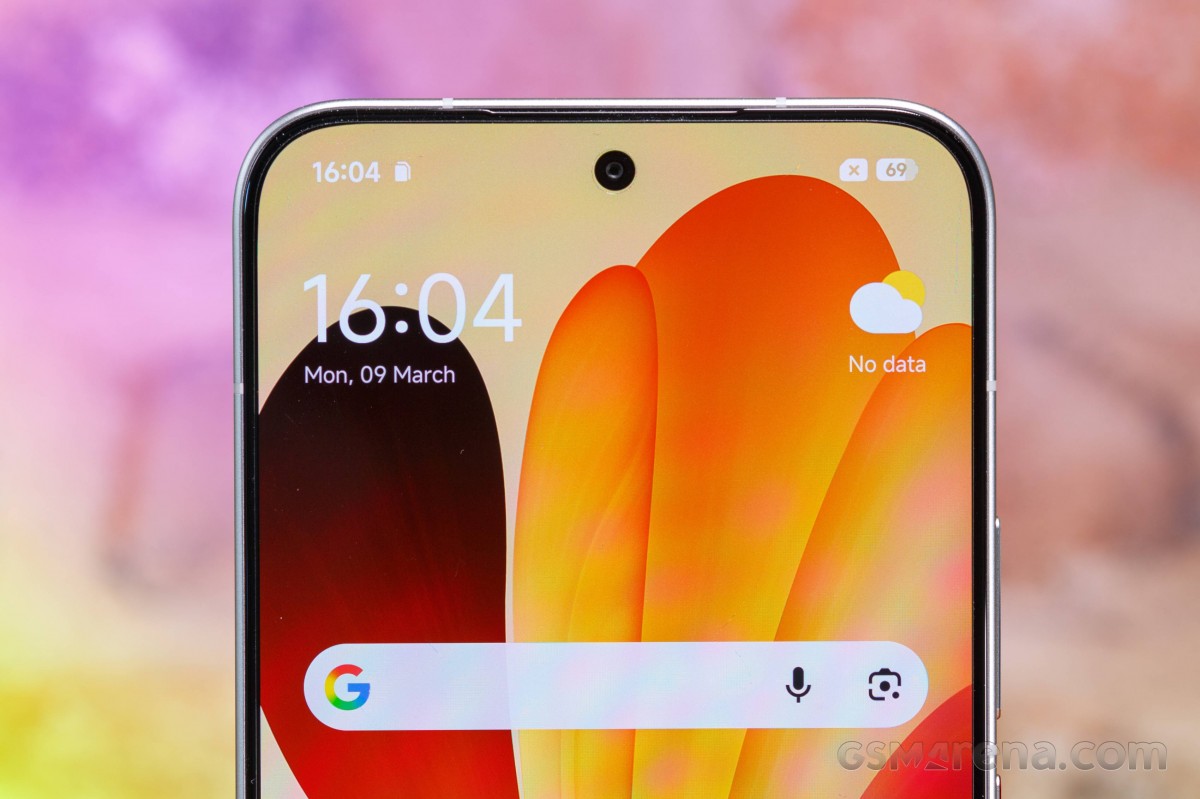
The phone's front is very clean-looking. The display bezels are not very wide, but they are still noticeable. The same goes for the selfie punch hole. There are no visible sensors anywhere here. Everything is nicely tucked away underneath the display itself.
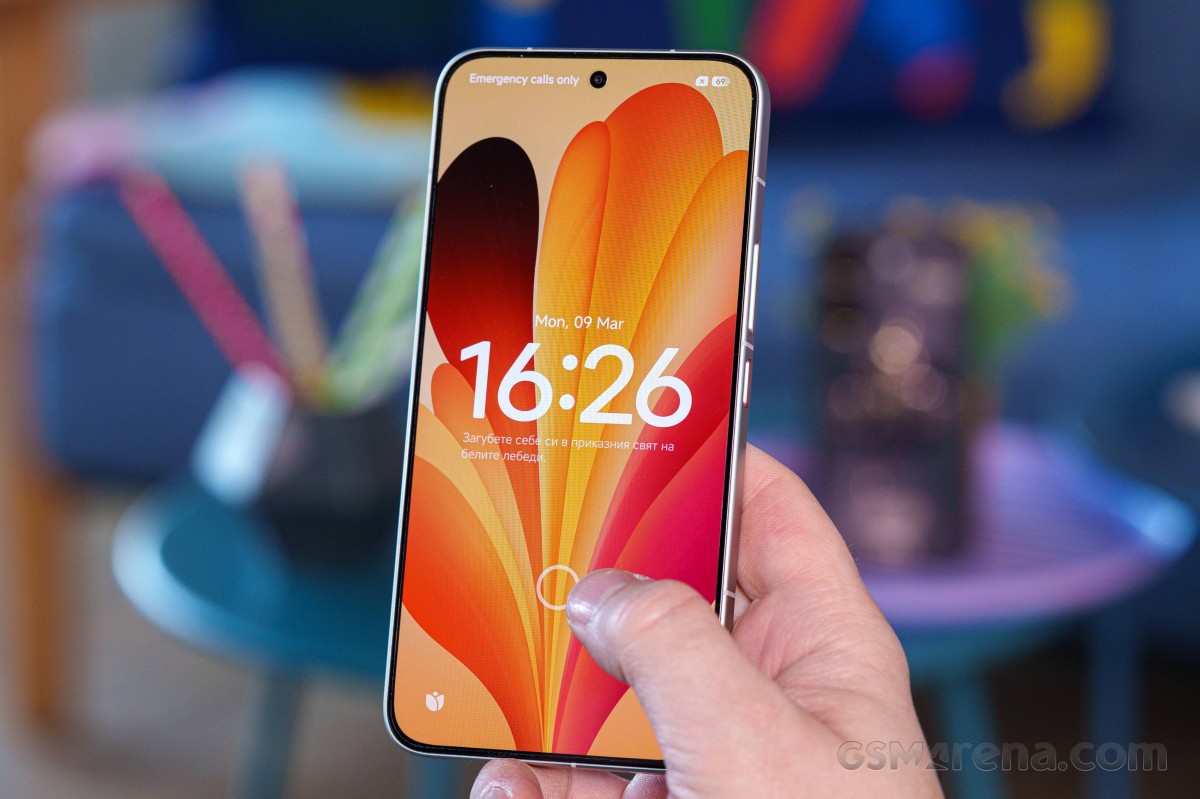
The Poco X8 Pro Max uses an ultrasonic in-display fingerprint reader. It should theoretically be more reliable than an optical one, especially with dirty or wet fingers. We found it to be accurate and speedy. We have no complaints with it.


Tip us
2.1m 180k
RSS
EV
Merch
Log in I forgot my password Sign up