Poco M8 Pro review
HyperOS 2 on top of Android 15
The Poco M8 Pro boots Android 15 with HyperOS 2, the Poco version of it. While its launcher may have the Poco wording written here and there, we found no differences between the Redmi and the Poco variants.

We are disappointed that the Poco M8 series boots an older Android version when the previously launched Poco F8 models came with Android 16 out of the box. And even though Xiaomi is promising 4 major OS updates, one of them will be wasted to bring these phones up to speed with the most recent build, which is already available elsewhere.
HyperOS 2 will be quite familiar if you've come across a HyperOS 1 device or a Xiaomi from the MIUI times. Naturally, there's some extra polish now, plus neat AI tricks, and Xiaomi claims under-the-hood optimizations as well.
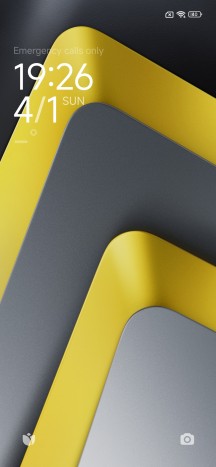
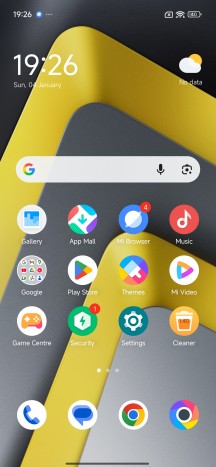
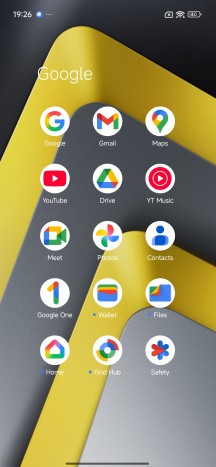
HyperOS 2
Poco M8 Pro gives you the option of an app drawer, but you can also choose to have everything on the homescreens. Some software branches don't let you have the app drawer, but we appreciate seeing that option here.
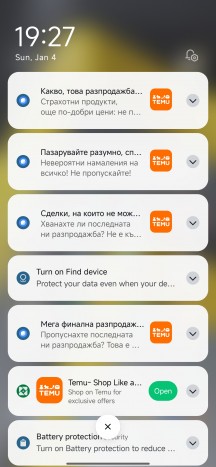
HyperOS 2 features separate Notification and Control Center pages, with no option for a unified interface for the two. The homescreens support apps and widgets, as well as two flavors of large folders.
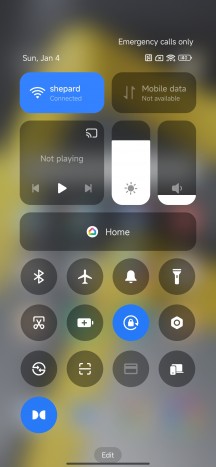
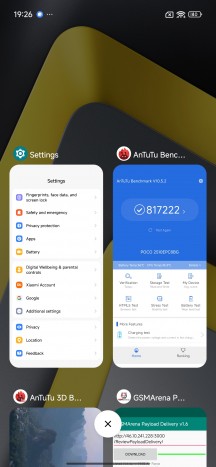
More HyperOS 2.0
The Poco M8 Pro is a bit light in the AI department. Google Gemini is preloaded, and you also get Circle to Search, but beyond that, Xiaomi's own in-house AI tools seem to be missing. Things like AI Writing, AI Interpreter, AI Translate or AI Speech recognition are nowhere to be found.
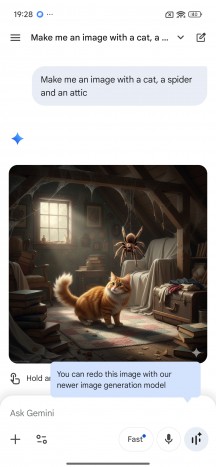
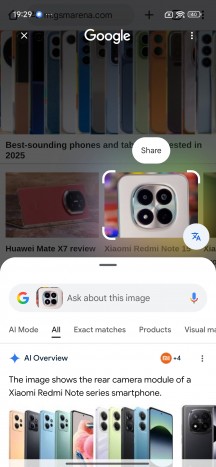
Gemini • Circle to Search
You still get some AI image editing features in the gallery app, but again, not nearly the full set. Things like AI beauty filters, Sky, and a basic erase and expand tool are present, but nothing fancier like an advanced object or reflections remover.
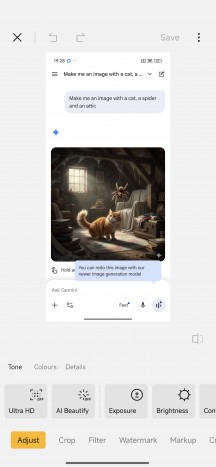
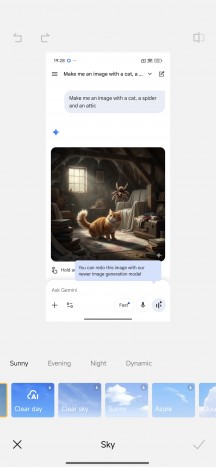
Image editing in Gallery app
Unfortunately, the Poco M8 Pro comes filled with bloatware apps, there are ads pretty much in everything you open except Settings, all sorts of notifications pop all the time, and after 15 mins with this Poco, we were incredibly frustrated.
Note that unlike on previous Xiaomi phones, we could not turn off all ads within the usual system apps. For example, the File Manager always displays 10-second ads! Why?! Why?!
Performance and benchmarks
The Poco M8 Pro employs the Snapdragon 7s Gen 4 chip, a relatively new platform built on the 4nm manufacturing node. It's the same chip that powers the Redmi Note 15 Pro+, and a minor step up from the Snapdragon 7s Gen 3 from the Redmi Note 14 Pro+.
The 8-core processor has 1x Prime Cortex-A720 core clocked at 2.7 + 3x Cortex-A720 (2.4GHz) units and 4x Cortex-A520 (1.8GHz).
The Adreno 810 brings improved performance, and it has Snapdragon Elite Gaming features like Adaptive Performance Engine 3.0 and Snapdragon Game Super Resolution.
There is also updated Hexagon NPU offers better AI performance with support for Llama 1B and Qwen 1B and real-time translation. On the connectivity side, the new 7s Gen 4 chip supports Wi-Fi 6E and Bluetooth 5.4. It also brings support for the aptX Lossless and aptX Adaptive audio codecs.
Memory-wise, the Poco M8 Pro is offered in 8GB/256GB and 12GB/512GB LPDDR4X RAM/UFS 2.2 storage configurations. There is no microSD expansion slot.

And now, let's look at some benchmark scores.
GeekBench 6
- Single-core
- Multi-core
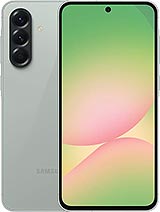 Galaxy A56
 Redmi Note 15 Pro+
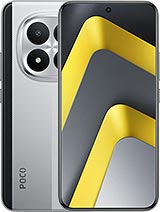 Poco M8 Pro
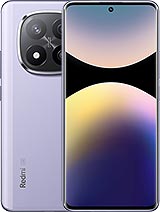 Redmi Note 14 Pro+
 Honor Magic8 Lite
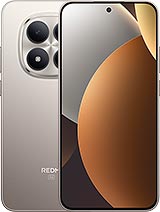 Redmi Note 15 Pro 5G
 Redmi Note 14 Pro 5G
 Galaxy A36
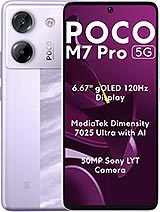 Poco M7 Pro
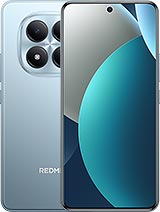 Redmi Note 15 Pro 4G
AnTuTu 10
Galaxy A56
Poco M8 Pro
Honor Magic8 Lite
Redmi Note 14 Pro+
Redmi Note 14 Pro 5G
Redmi Note 15 Pro 5G
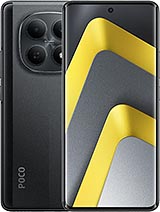 Poco M8
Galaxy A36
Poco M7 Pro
Redmi Note 15 Pro 4G
3DMark
- Wild Life Extreme (Highest)
- Wild Life Extreme (Lowest)
Galaxy A56
Redmi Note 15 Pro+
Poco M8 Pro
Redmi Note 14 Pro+
Redmi Note 15 Pro 5G
Honor Magic8 Lite
Galaxy A36
Poco M8
Redmi Note 14 Pro 5G
Redmi Note 15 Pro 4G
The Poco M8 Pro is properly powered for its mid-range class and it always scored around the top of the charts in its price bracket. It is also a notable step up from the Poco M7 Pro model, a useful tip for users thinking of switching.
The Poco M8 Pro offers excellent sustained performance - the phone does not throttle at all. Even better, it never got hot even after prolonged stress testing.
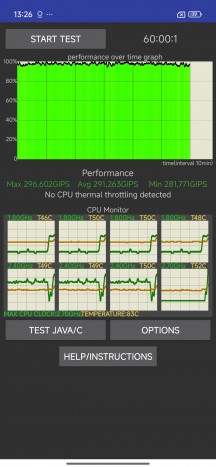
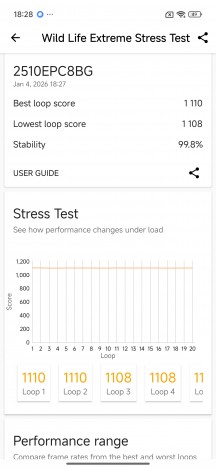
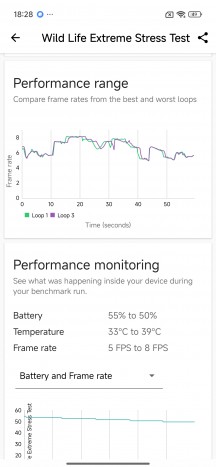
CPU test • GPU test
The Poco M8 Pro has mid-range hardware and performs as would any recent mid-range phone - very well. And that's plenty enough. But if you are looking for amazing speed on a budget though, it's not the Poco M series you want, but the Poco F models.


Tip us
2.1m 180k
RSS
EV
Merch
Log in I forgot my password Sign up