Motorola Edge 70 Max review
6.82-inch, 144Hz LTPO display
The Motorola Edge 70 Max features a 6.8-inch LTPO OLED panel with 1440 x 3168px resolution, ticking at up to 144Hz refresh rate. It also supports 10-bit color depth and high-frequency PWM for people with sensitive eyes.
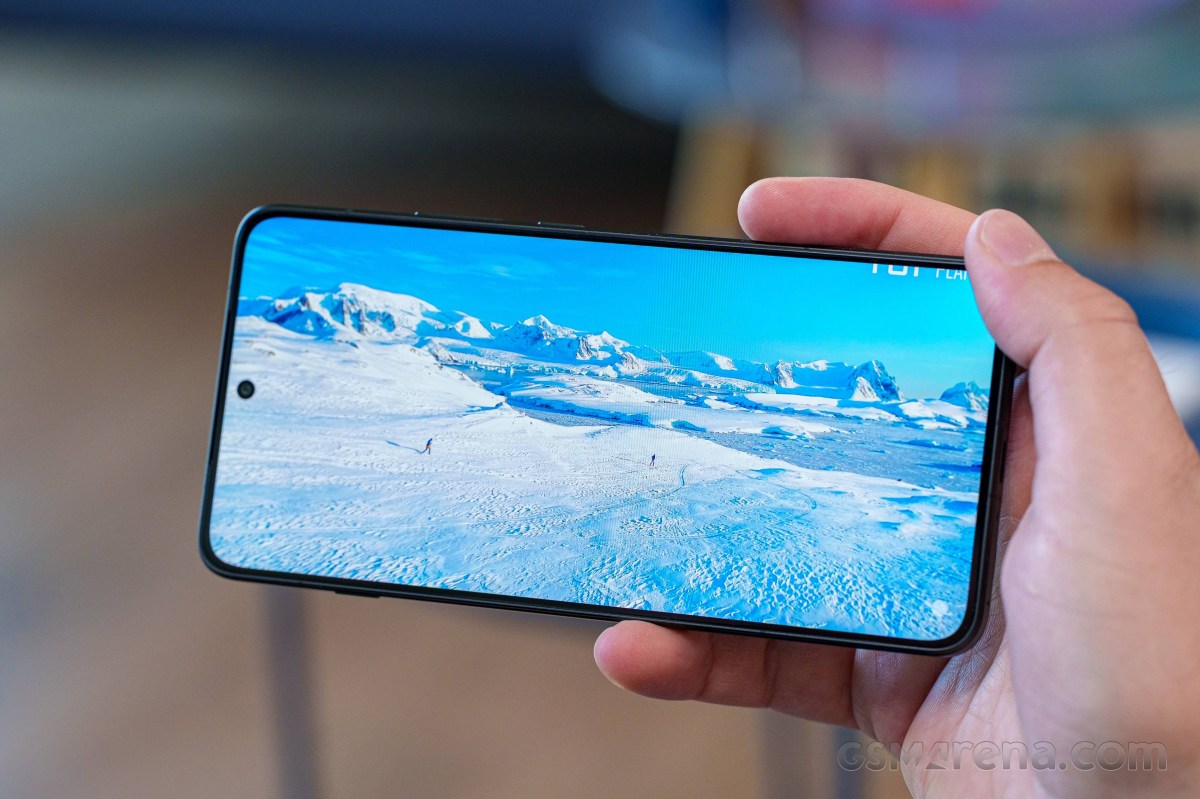
The HDR capabilities are not necessarily impressive - only HDR10+ is supported, but no sign of Dolby Vision. You can still watch HDR content on platforms like Netflix and YouTube, though.
When it comes to brightness, the display performs well. It's able to reach almost 1,600 nits peak brightness on a white patch that takes up 75% of the screen and over 4,000 nits on a 10% white surface (but only when triggered by HDR Video).
Max display brightness test
White test pattern (nits)
- Manual (75% fill)
- Auto (75% fill)
- Peak Auto (10% fill)
 Pixel 10
 Motorola Edge 70 Pro
 Honor 600 Pro
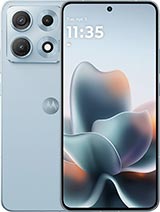 Motorola Edge 70 Max
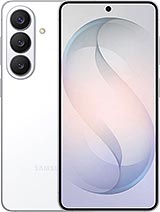 Galaxy S26
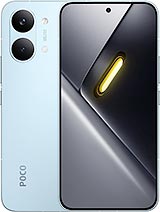 Poco X8 Pro Max
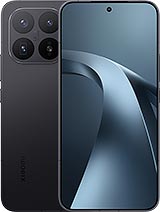 Xiaomi 17T Pro
The minimum recorded brightness is 2 nits, which is a bit higher than some would like in a pitch-black room.
Refresh rate
The display settings offer three settings: Smart & balanced, Hyper smooth and Efficiency first. The first one is the default setting, and since it's an LTPO OLED panel, the system dials down to 1Hz when the screen is idle. The phone also plays well with 24fps and 30fps videos on YouTube and matches the refresh rate with the frame rate of the videos.
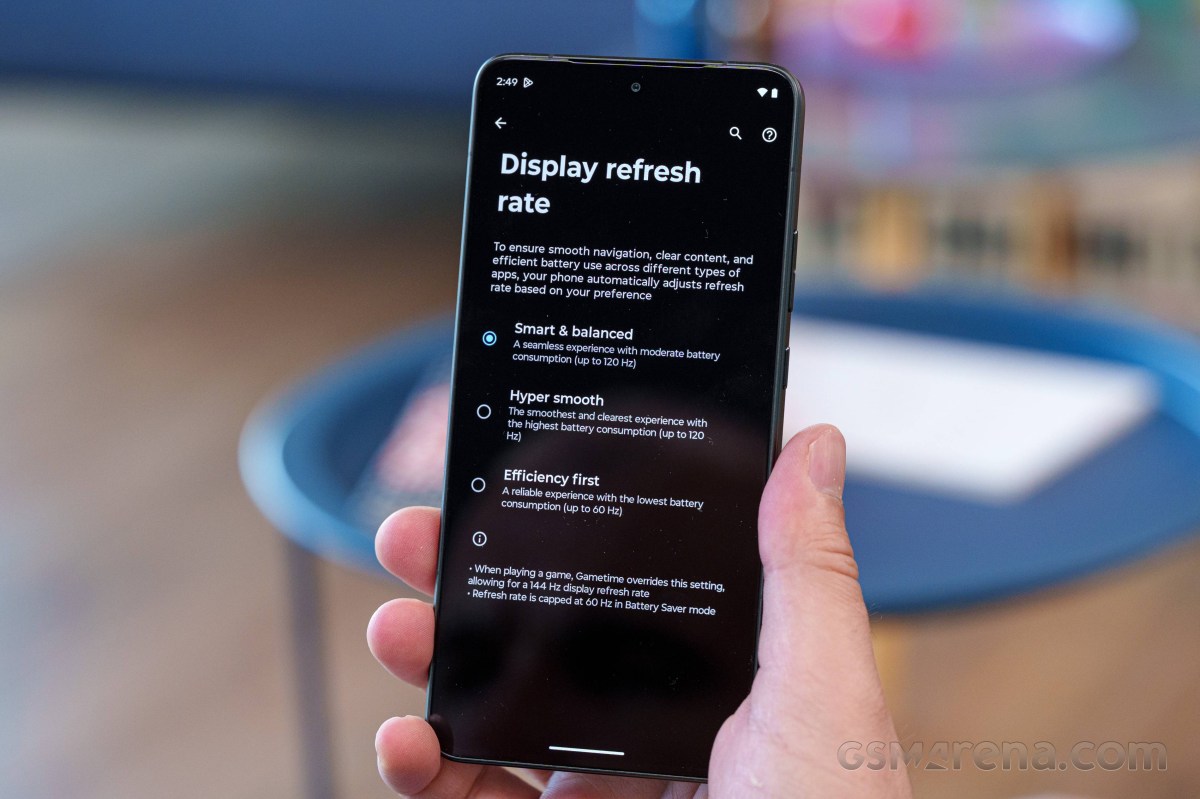
However, we had a few issues with the refresh rate handling. For starters, 144Hz is only available in certain gaming titles that support high refresh rate gaming. Also, Chrome runs at 90Hz out of the box along with other apps, so if you are looking to maximize your screen experience, use the Hyper smooth display mode as it acts exactly like the default mode, except it prioritizes 120Hz where possible.
Battery life
One of Edge 70 Max's standout features is the large battery. It's rated at 7,100 mAh, which one or two years ago would have been considered "generous", but it's actually par for the course in 2026. Still, battery life is more than solid.
The device posted excellent screen-on runtimes as well as a solid 4G call score. And overall, the device earned an Active Use Score of 19:28h. It's an excellent battery life score, but the call time could be better.
Charging speed
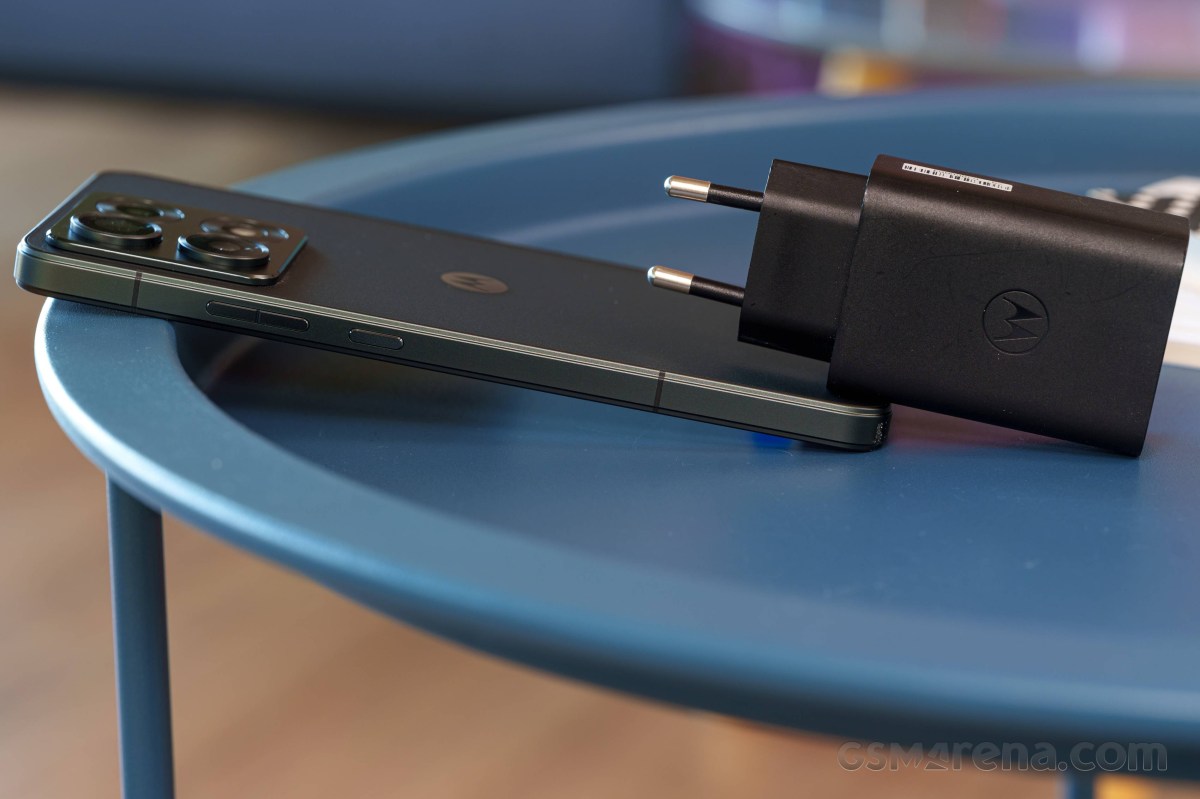
The Motorola Edge 70 Max supports 90W TurboCharge, which is another way of saying Power Delivery, so even if you don't get a genuine Motorola charger, you can still achieve maximum charging speed using a third-party charger with the appropriate PPS profile. The handset also gets 25W wireless charging over Qi2.2 with support for the so-called Magnetic Power Profile (MPP), meaning you can pair the device with magnetic charging accessories without the need for a special case.
When it comes to charging speed, it's not necessarily impressive, but the 70 Max is no slouch either. A 1-100% charging cycle is a few minutes short of an hour, while the first 30 minutes of charging will get you more than halfway there. While there are other phones with faster charging, the charging speed here is still competitive.
Charging speed
- in 15 min
- in 30 min
- Time to full charge (from 0%)
Motorola Edge 70 Pro
Xiaomi 17T Pro
Honor 600 Pro
Poco X8 Pro Max
Motorola Edge 70 Max
Galaxy S26
Pixel 10
In case you are looking for some battery-saving features that will extend the life cycle of the cells, Motorola has a few. In addition to Smart charging, which learns your usage habits and ramps up the charging power when needed, you can also disable fast charging entirely.
You can also set a custom hard cap on the battery capacity that gets charged, and you can adjust it according to the time of day, which is not an option you see every day.
Speakers
The Motorola Edge 70 Max carries a set of hybrid stereo speakers, which means there's one full-fledged speaker at the bottom and one that also acts as an earpiece at the top. Naturally, the bottom one is slightly louder and has more pronounced bass, which is par for the course.
Loudness-wise, the speakers are just about average in this price bracket. They scored -25.3 LUFS, which is "Very Good", but leaves more to be desired when it comes to tuning. Although the overall sound quality is good with clean vocals and highs, the bass appears to be lacking. Music tracks sound flat in comparison to other phones.
Use the Playback controls to listen to the phone sample recordings (best use headphones). We measure the average loudness of the speakers in LUFS. A lower absolute value means a louder sound. A look at the frequency response chart will tell you how far off the ideal "0db" flat line is the reproduction of the bass, treble, and mid frequencies. You can add more phones to compare how they differ. The scores and ratings are not comparable with our older loudspeaker test. Learn more about how we test here.


Tip us
2.1m 180k
RSS
EV
Merch
Log in I forgot my password Sign up