Google Pixel 10 Pro XL review
Design, build quality, handling
The Pixel 10 Pro XL looks like a reissue of the Pixel 9 Pro XL with a couple of new colors replacing two of the old ones. Still, despite the unchanged design, the phone looks modern while brand recognition is strong thanks to the bold shape of the camera island - an evolution of the visor design introduced with the Pixel 6 series in 2019.
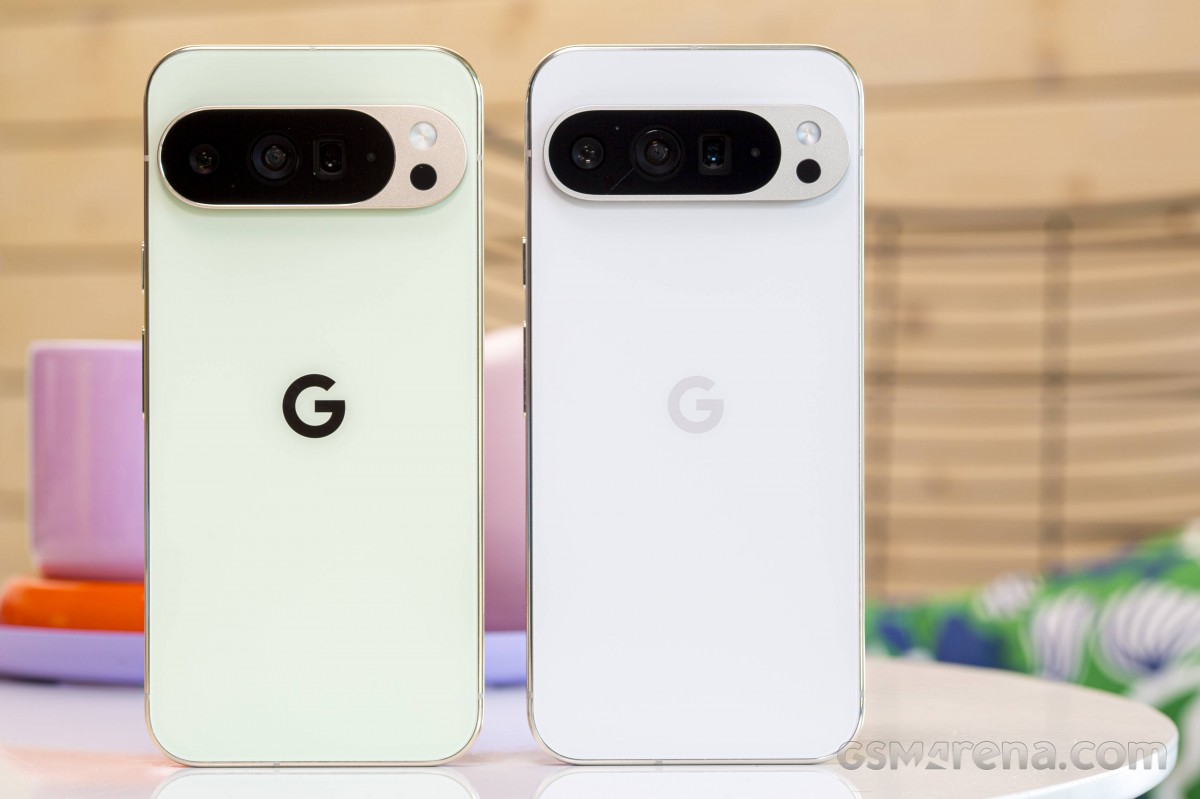 Pixel 10 Pro XL (left) next to Pixel 9 Pro XL
Being a large Pro, the Pro XL adopts the frosted back with a glossy frame design - in the smaller size, you could opt for a glossy Pixel 10 non-Pro. All three Pixel 10s, the Pro XL included, are protected with Gorilla Glass Victus 2 sheets front and back, and feature aluminum frames. Also standard for the lineup is the IP68 dust and water resistance - as found on all Pixels without an 'a' in the name since the Pixel 3.
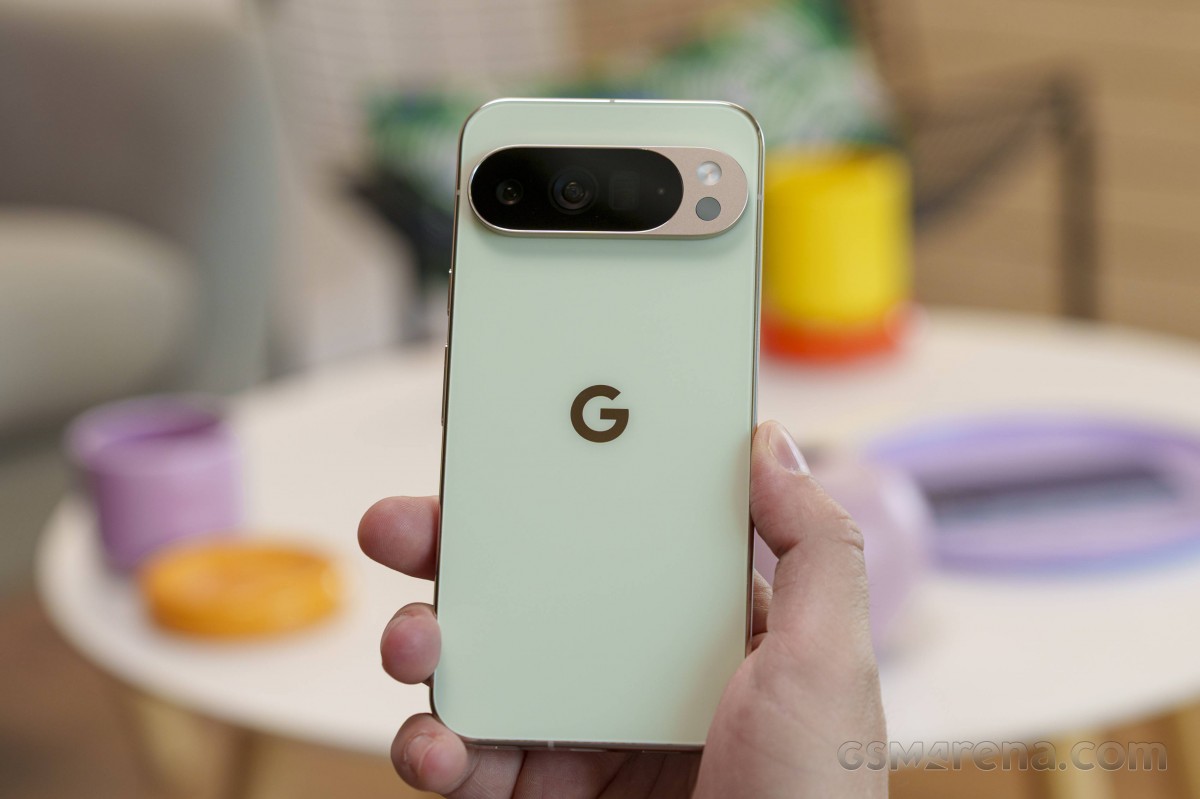
There are four color options on the Pixel 10 Pro and 10 Pro XL - Moonstone, Jade (our review unit), Porcelain, and Obsidian. None of them is as striking as the just-announced Cosmic Orange iPhone 17 Pro, but the Pixel's selection is still decent (4 is more than the iPhone's 3, and there's a black option).
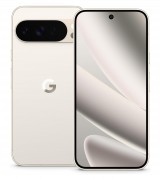
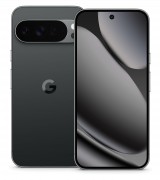
Pixel 10 Pro XL colorways: Moonstone • Jade • Porcelain • Obsidian
On the small Pro, you could get a case that's color matched to one of the Pixel 10 non-Pro's slightly brighter colorways since the two phones are identical in size. The XL's cases only come in the XL's colorways, so you don't get the option to spice up the look.
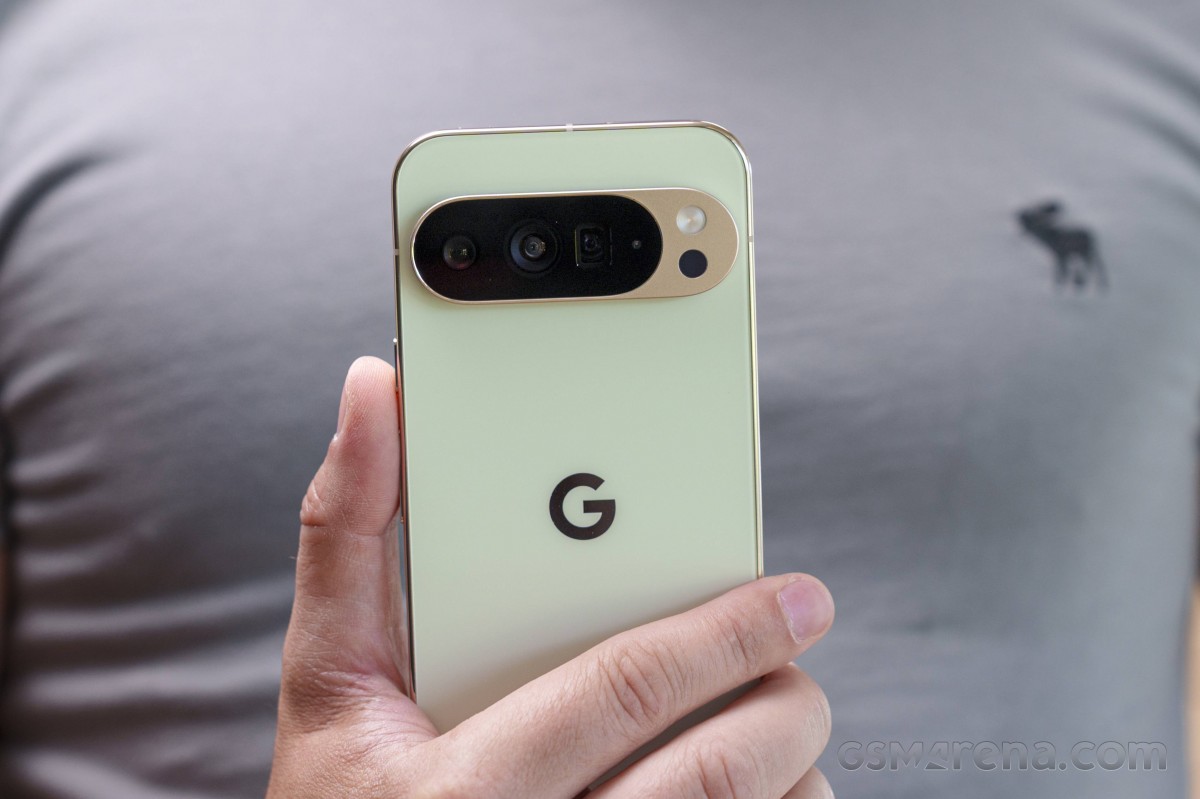
That said, a case on the Pixel 10 Pro XL will not only serve to protect the shiny frame from fingerprints but also further illuminate just how big the handset is. The 9 Pro XL was already pretty unwieldy, and the 10 Pro XL is just as large, only now it's 11g heavier, at 232g. Now go ahead and add a case to that.
Truth be told, the iPhone 17 Pro Max weighs almost exactly the same, but the Galaxy S25 Ultra is some 14g lighter. Not to mention that Samsung will sell you a Galaxy Z Fold7 that's actually lighter than the Ultra - complete with two displays totalling almost three times the area of the Pixel XL's. This Pixel is an extra-large phone indeed, that much is certain.
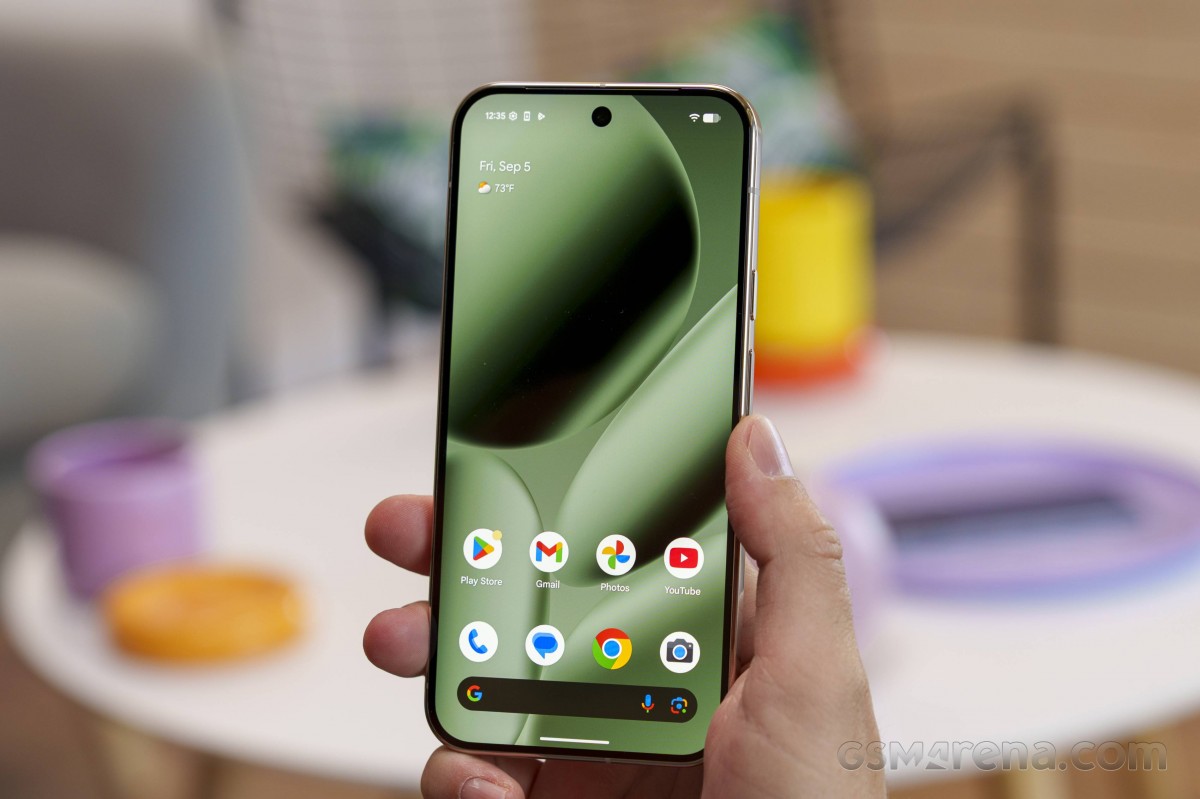
As is the norm with Pixels, this one has its physical buttons on the right side of the phone, placed what we consider 'upside down' - the volume rocker is below the power key (which you can think of as a Gemini key). It goes against muscle memory if you're switching between brands every now and then, since virtually everyone else has the buttons arranged the other way around, but if you're upgrading from an older Pixel, you won't even notice.
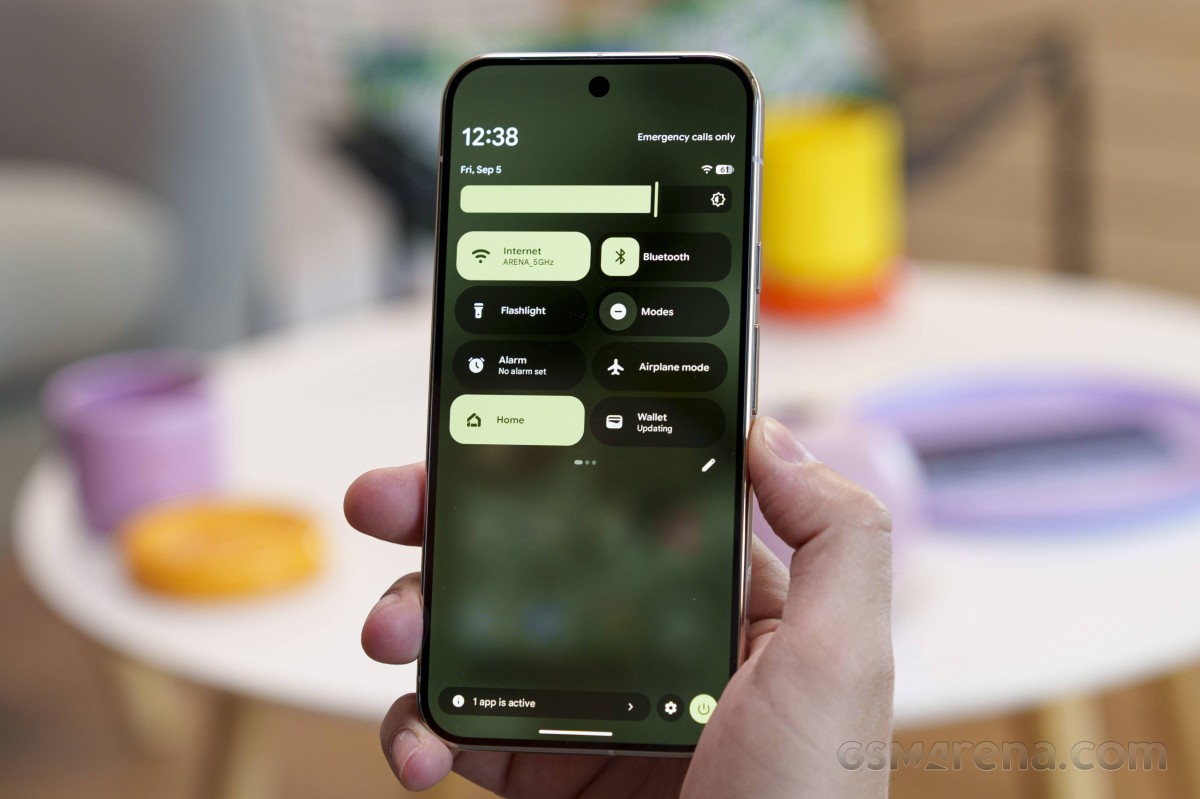 That's volume down right there, it won't lock your screen
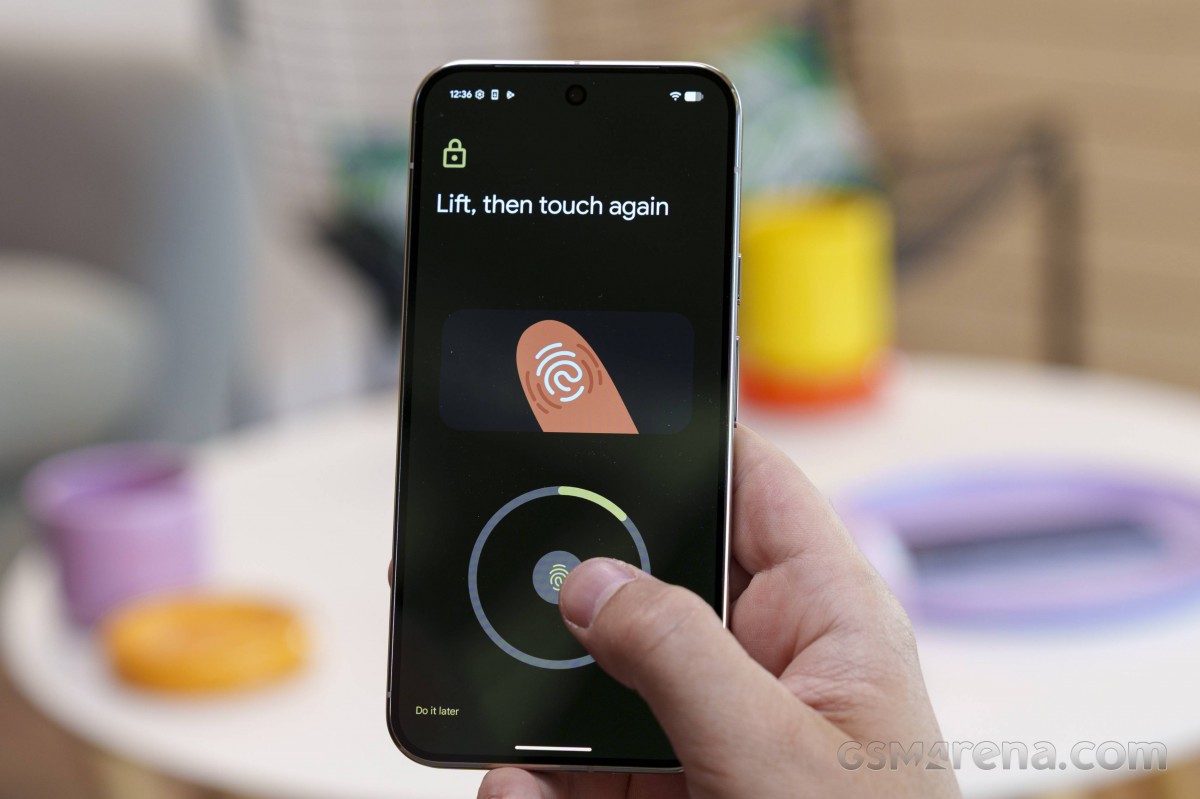
One feature is positioned just right - the fingerprint sensor underneath the display. It's nicely high up the center line and is in a natural spot for quick and easy access, bringing speedy and trouble-free unlocking.
Unless you have the always-on display feature disabled, that is, in which case you'll need to wake the phone up before the fingerprint reader becomes operational, since it's not independently always-on itself.
Our review unit has a physical SIM slot up top, and the tray will accept a single nano SIM card, while the phone also supports eSIM. US-bound Pixel 10s work with eSIMs only as they dedicate the space otherwise occupied by the slot to the mmWave antenna.
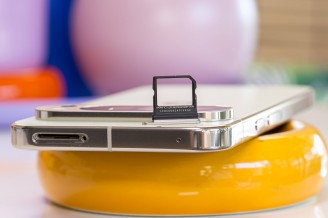
SIM slot on top of our EU unit • Single nano SIM tray
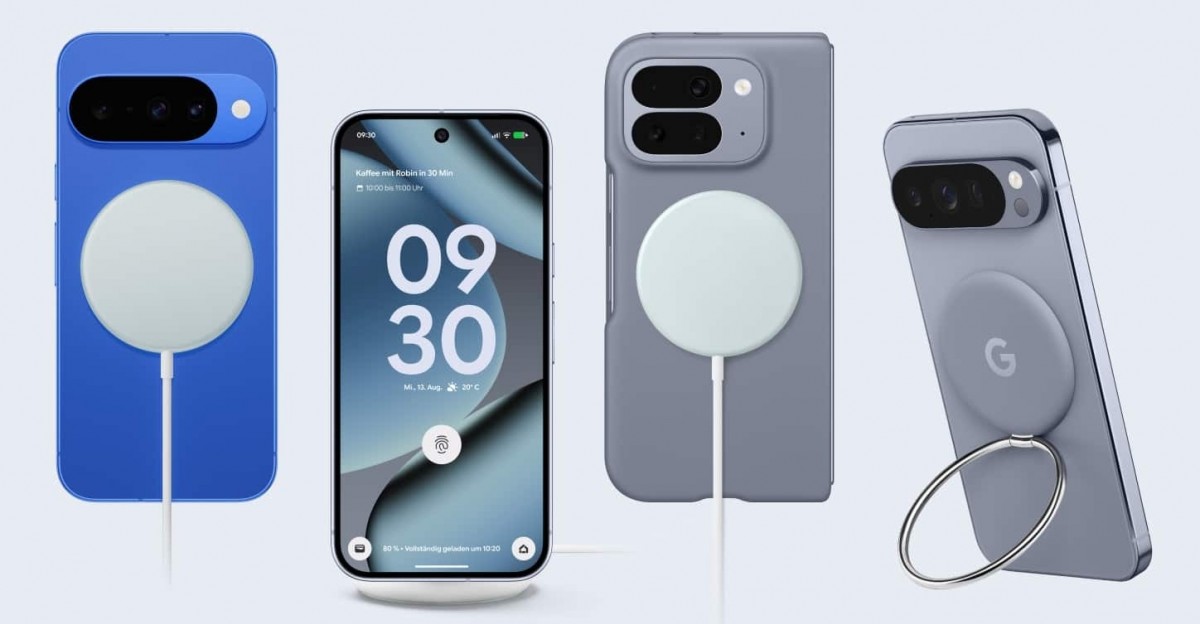
The biggest change to Pixels this year is the addition of Qi2 wireless charging capability, complete with magnets. That will get you more precise coil alignment for potentially faster charging, as well as the ability to attach the phone more securely to chargers and whatnot. Google has branded it Pixelsnap, but it is compatible with the Magsafe accessories made for Apple's devices as well.


Tip us
2.1m 180k
RSS
EV
Merch
Log in I forgot my password Sign up