vivo X300 review
Origin OS 6 goes global
The X300 runs Android 16 out of the box, now augmented by the company's OriginOS - it's a new development this year that leaves the other software branch, FuntouchOS, in the past. Formerly, only vivo handsets sold in China ran OriginOS, with the rest of the world getting the somewhat outdated FuntouchOS experience, but with OriginOS 6 now there'll be no such disparity anymore.
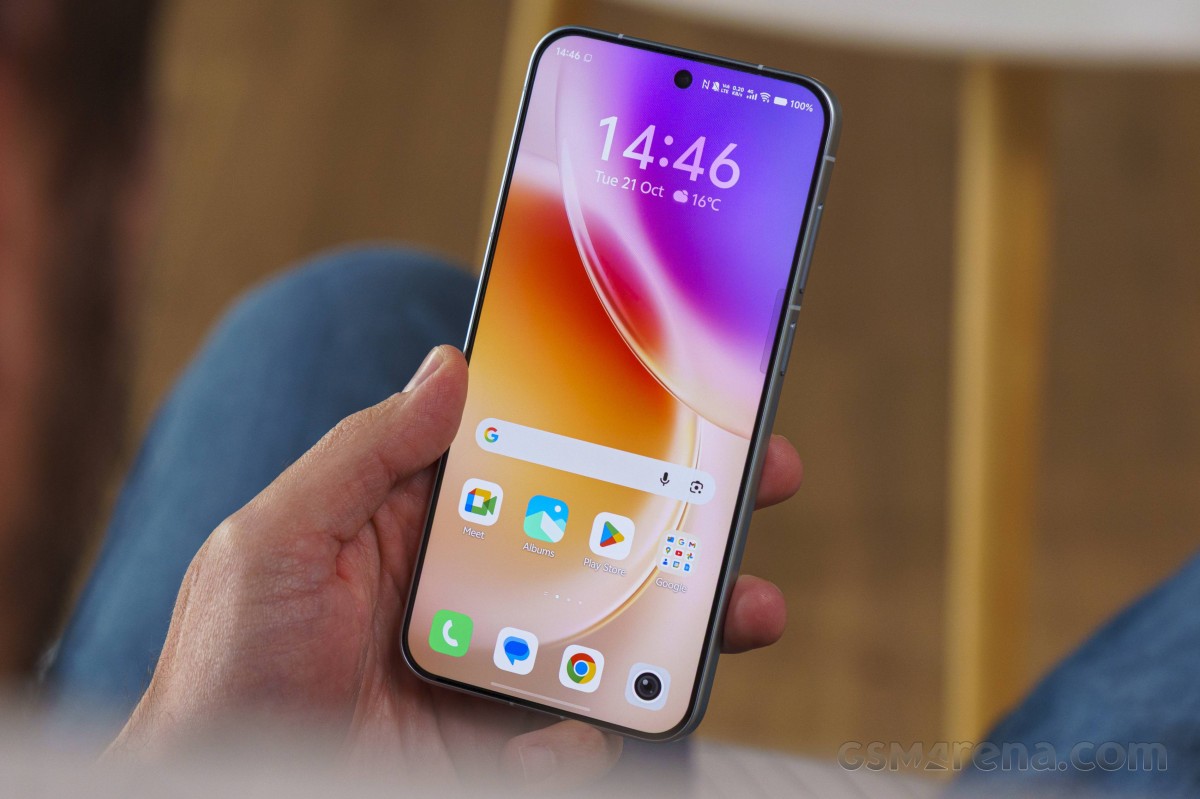
Let's start by saying that vivo is promising 5 major Android updates plus 2 extra years of security patches on the vivo X300. Not only that, but they claim that the optimizations in OriginOS run so deeply that even as devices age, they would still perform smoothly.
There's the Ultra-Core computing which allocates resources to processes in what vivo insists is a better way than what Android can do, achieving up to 18.5% faster app cold starts and 10.5% more stable frame rates during scrolling. Memory Fusion accelerates loading speeds in heavy-load scenarios - the example vivo gives is a 106% speed boost in opening a 5,000-image photo album that now loads in seconds. 47 apps can be kept alive in the background too. Then there's the Dual Rendering Architecture, which will get you animation rendering efficiency increase up to 35% and frame rate stability improvements by up to 11%.
 Origin Island
We don't doubt that there's a layer of truth behind all that, it's just that they're talking of stuff that's difficult to quantify outside of very specific laboratory conditions. Not to mention that it all sounds kind of like that Retro Encabulator if you know what we mean.
Moving on to some more tangible - or, rather, visual - improvements. vivo has put in extra effort into OriginOS's animations, making them feel more responsive, thanks to effects like bounciness, blur transitions, and mirroring user gesture velocity. It's hard to put your finger on it, but the phone does feel very natural in the way it reacts to your input - more so than what the FuntouchOS 15 would give you.
 Private Space is hidden behind a left swipe on the dock
Vivo is also big on smoothness in this update and boasts a touch response speed increase of 41% - 26% better than competitors too (we have no idea what they're measuring and how, obviously.) Either way, they promise a "smooth-as-new" experience for flagship models for 5 years.
OriginOS 6
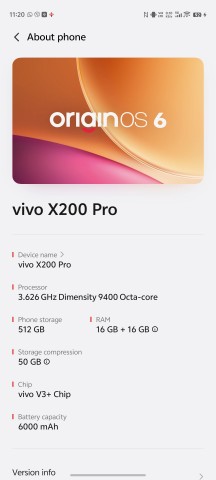
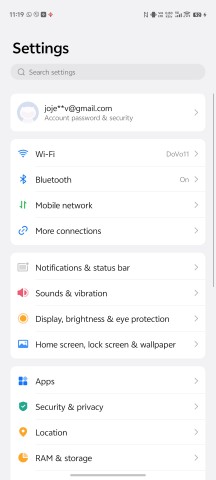
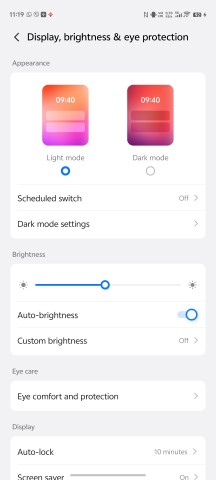
OriginOS 6 brings the way nicer Origin visuals to the international vivos, up until now forced to use a pretty dated Funtouch UI. That means a touched up settings menu, more contemporary notification shade/control center implementation, a customized font, and no less than 2800 redesigned symbols so they scale up nicely.
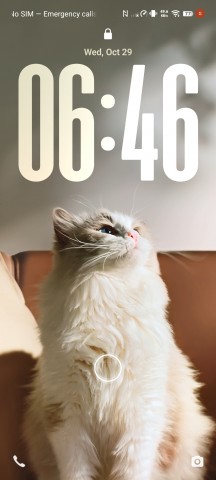
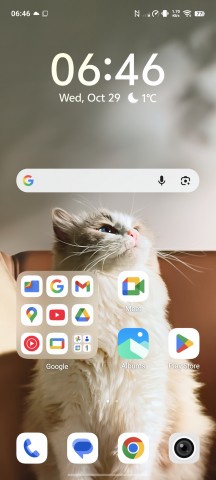
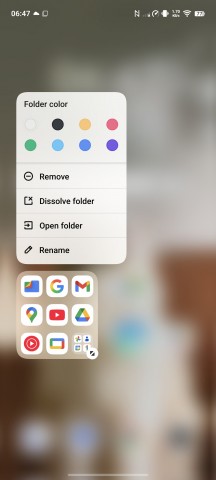
Lockscreen • Homescreen • Large folders
The control center is probably one of the bigger changes if you're coming from Funtouch, and it's one of the most obvious vehicles for the new blur effects and transitions (Gradient Blur they call it). Perhaps the quick settings 'rim light' (the button border effect) is a bit too much like the iOS 26 design (, but let's say that the designers arrived there independently, and it's all just where UI trends are headed.
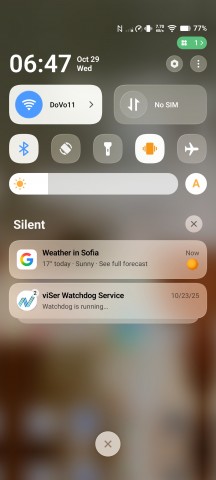
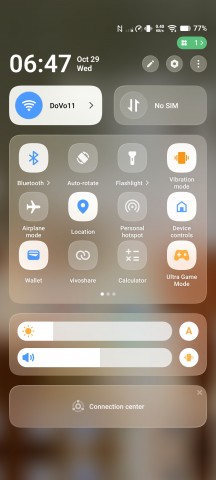
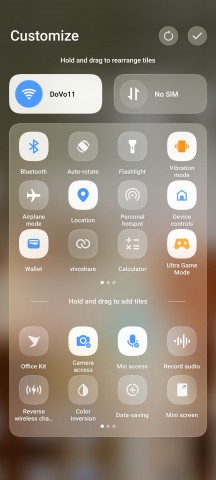
Notifications • Quick settings
Flip cards is an OriginOS 6 lockscreen feature where you can select up to 4 images from the gallery and have the phone alternate between them as you tilt the phone sideways, which some people might find cooler than just one single lockscreen wallpaper.
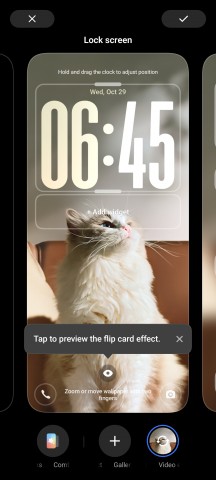
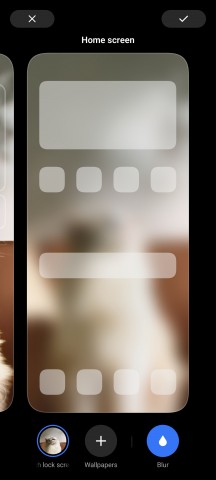
Flip cards
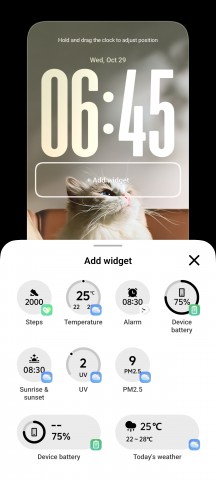
If you like the recent iOS lockscreen options together with depth effects and tiny widgets, similar are available inside OriginOS 6, too.
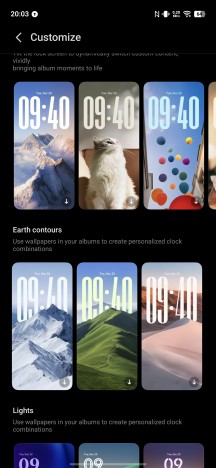
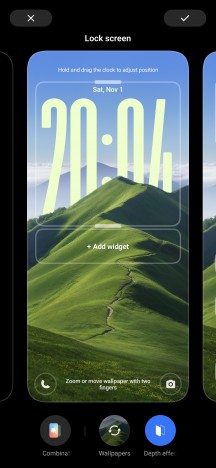

iOS-styled lockescreens
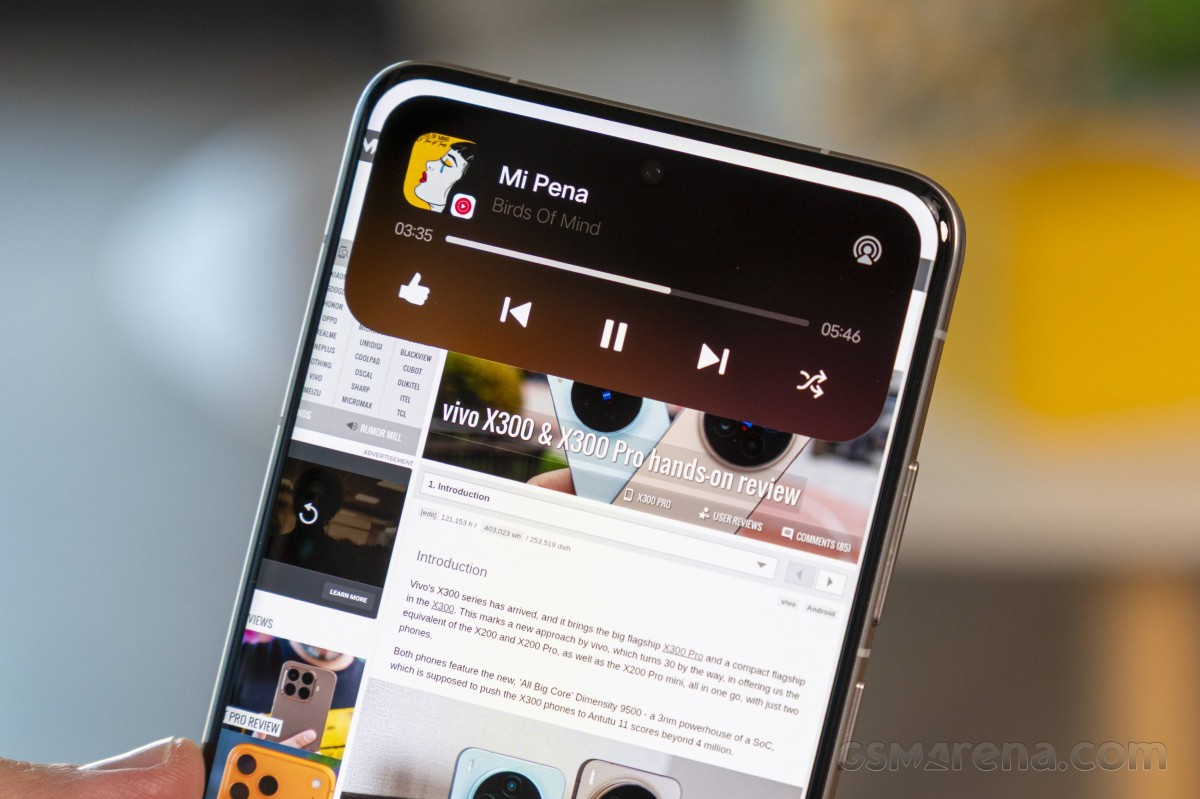
Familiar to those having seen recent OriginOS iterations, but entirely new to former FuntouchOS users is the Origin Island inspired by Apple's Dynamic Island. The dynamic black cloud around your front camera shows contextual status information for clocks and music players and whatnot, and also transforms into an actionable area for you to drop stuff in some copy-and-paste scenarios.
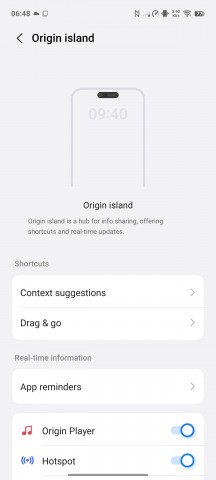
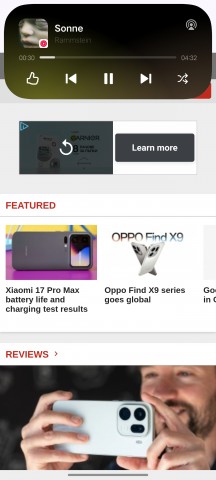
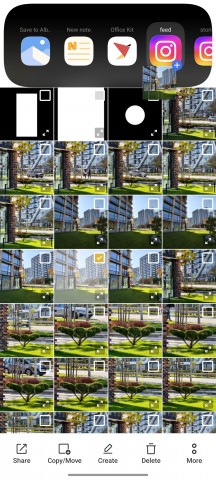
Origin Island
Sure enough, there's an array of AI-based features. An AI writing tool may help with your writer's block and provide proofreading, summarization and the lot. AI Captions is a system-level application for speech-to-text conversion and real-time transcription and translation. There's also a document editor with PDF and Word document support and its own set of AI smarts.
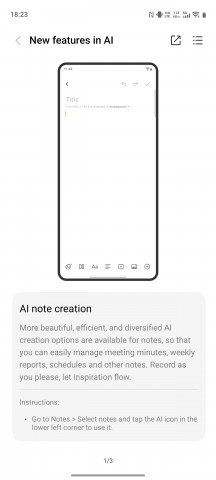
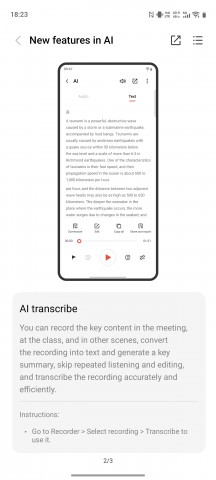
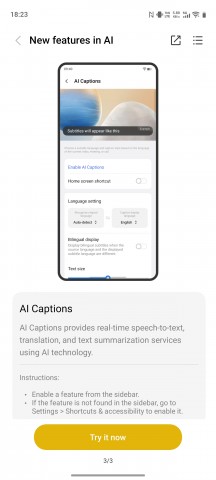
AI Writing • AI Transcribe • AI Captions
vivo has also added the Circle to search scrolling translation to the ColorOS 6 implementation. Additionally, the AI-powered image editing functionality is now better organized and grouped together in the in-house gallery.
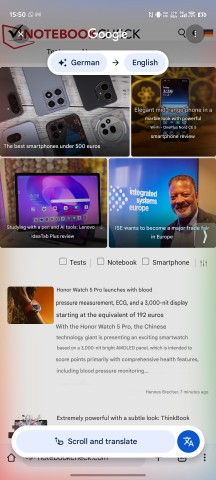


Scroll and translate • AI Color Adjustment • AI Image Expansion
There's now a vivo Connection Center, which is a sort of an OriginOS 6 hub for enabling various connectivity options on your vivo. Link to PC is available with screen mirroring, file transfer, and task handoff. You can also do one-tap transfers with other vivos or even iPhones, though you'd need to install vivo's EasyShare on the other phone - it will take a few more taps the first time you do it.
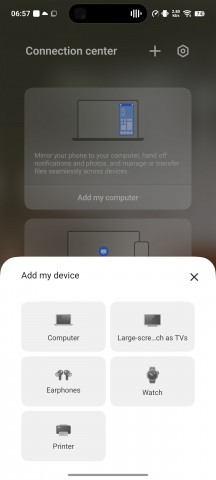
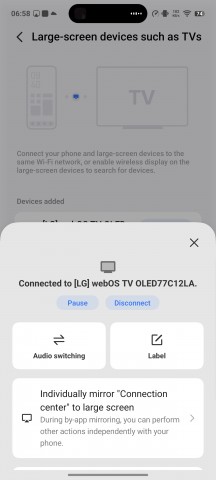
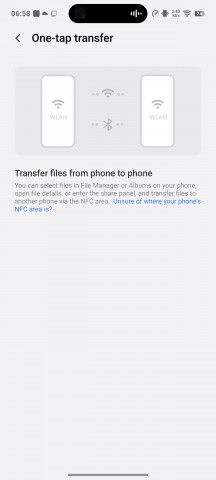
Connection Center
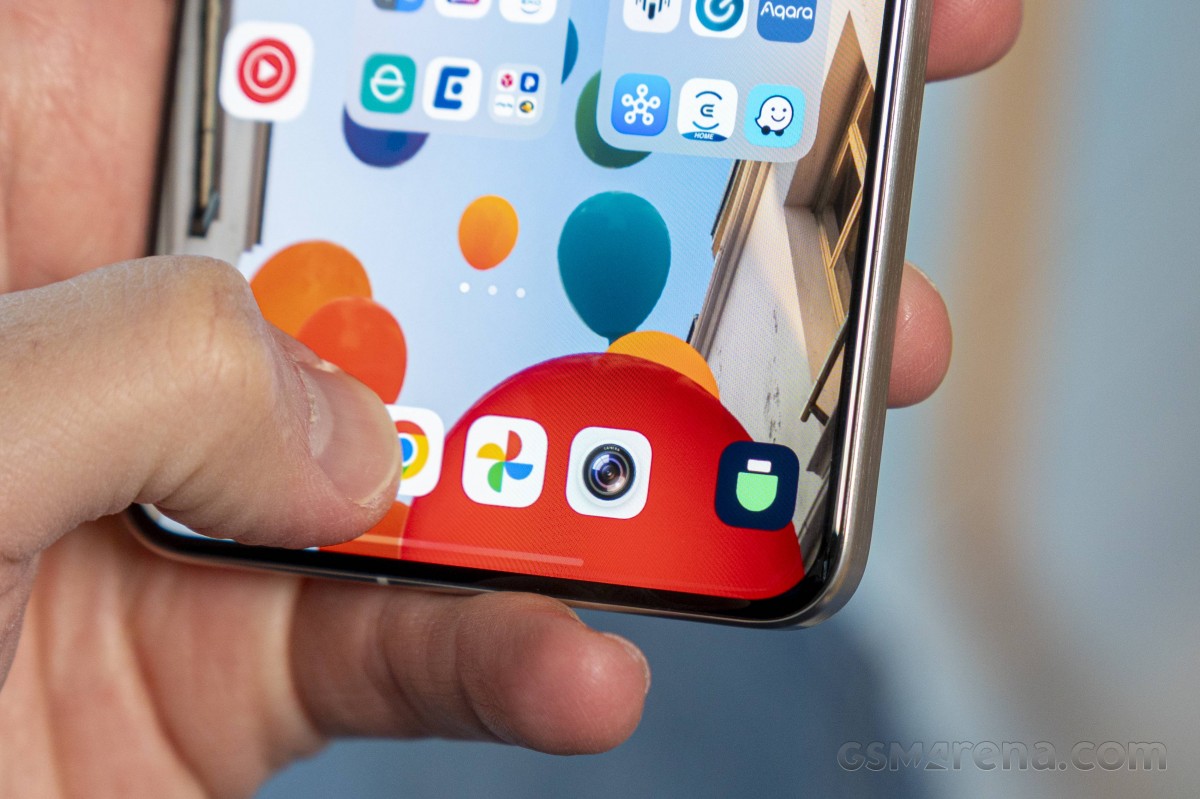
A Private Space functionality is also part of OriginOS 6 - we didn't get that on the latest Funtouch and it wasn't there on OriginOS 5 either. It's the usual separate area where you can keep sensitive data away from prying eyes. You can also have two instances of the same social app so you can separate business from personal use.
A feature we don't recall having seen before on vivo's phones is Motion prompts. It's meant to alleviate motion sickness by displaying a bunch of dots on the screen that will mirror the motion of the vehicle you're in, based on the phone's accelerometer data. We're not sure just how effective it is, but if you're one to suffer from dizziness when using your phone while riding on twisty roads (as a passenger, obviously), it could be worth trying it out.
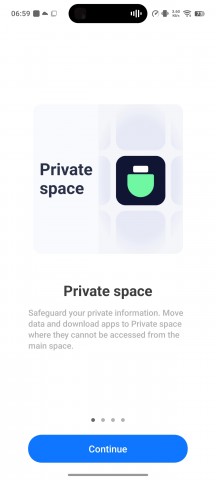
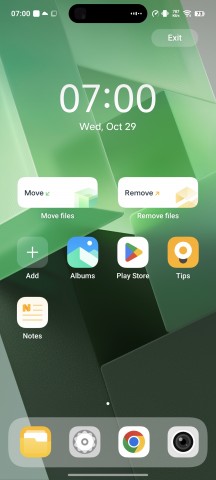
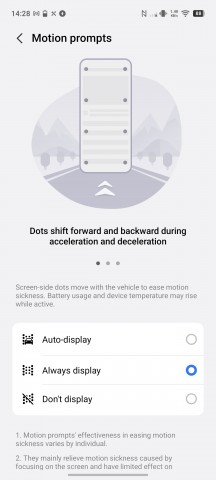
Private Space • Motion Prompts
Vivo has made some nice efforts to bridge the gap between Android and iOS. It has implemented AirDrop support called One Touch Share. Upon activation, the iPhones will find the vivo phones and easily drop files.

Vivo took things further to get the OriginOS close to Apple's ecosystem by programming Task Handoff, Notes, File transfer and Screen mirroring on macOS. How about that?!

All things considered, we're really excited about OriginOS replacing Funtouch OS for international variants of vivo smartphones. The previous UI was outdated and just too plain, while OriginOS 6 brings plenty of eye candy and fluidity at the same time, and the extra features are also likely to be appreciated by a wide user base.
Performance and benchmarks
The vivo X300 and X300 Pro boast MediaTek's latest and greatest flagship chipset, the Dimensity 9500. The silicon promises a substantial leap in performance over the previous Dimensity 9400 generation in nearly every aspect, not just performance, but also efficiency.

The chipset features an octa-core CPU with a familiar 1+3+4 core configuration, but the cores themselves are based on a new generation Arm CPU cores with an "All Big Core" design. The main core is the Arm C1 Ultra clocked at a whopping 4.21GHz, paired with 3x C1-Premium cores ticking at 3.5GHz and 4x C1 Pro running at 2.7GHz.
The GPU is an Arm G1-Ultra, offering higher performance, lower power consumption, and improved ray tracing capabilities.
Another interesting bit about the new MediaTek chipset is the close collaboration with vivo. MediaTek and vivo have formed a strategic partnership and have worked closely to develop the Dimensity 9500. Moreover, the in-house image processing chip that vivo has been using in its phones, the V3+, is now an integral part of the Dimensity 9500, and from what we gather, other smartphone manufacturers can leverage it as well.
Vivo also has a dual UFS 4.1 configuration on the X300 Pro, but it's not available on the X300 from what we could manage to gather. Regardless, not a huge loss as it allegedly only speeds up large file handling.
And now, let's see some benchmarks.
The Dimensity 9500 is a match to the most recent Snapdragon 8 Elite Gen 5 and one of the fastest chips across the entire Android segment.
The Dimensity 9500 inside the X300 performs roughly 25% better (than Dimensity 9400, X200 series) in pure multi-core and single-core scenarios, which meets our expectations. MediaTek promises a 17% increase in multi-core performance and a 32% improvement in single-core workloads.
The newer GPU, on the other hand, delivers about a 20% increase in performance over the Dimensity 9400's Imortalis-G925 GPU, which is below the promised 33% performance gain by MediaTek, but still a solid upgrade.
GeekBench 6
- Single-core
- Multi-core
 vivo X300
 Oppo Find X9 Pro
 Galaxy S25
 Xiaomi 15
 vivo X200
 Xiaomi 15T Pro
 Pixel 10 Pro
 Galaxy S25 FE
 Xiaomi 15T
AnTuTu
- v10
- v11
Oppo Find X9 Pro
Xiaomi 15T Pro
vivo X200
Xiaomi 15
vivo X300
Galaxy S25
Galaxy S25 FE
Xiaomi 15T
Pixel 10 Pro
3DMark
- Wild Life Extreme (Highest)
- Wild Life Extreme (Lowest)
- Solar Bay (Ray Tracing)
vivo X300
Oppo Find X9 Pro
Galaxy S25
vivo X200
Xiaomi 15
Xiaomi 15T Pro
Galaxy S25 FE
Xiaomi 15T
Pixel 10 Pro
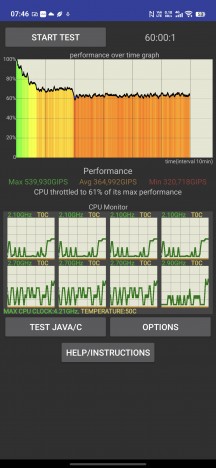
We also ran some stress tests to see how the X300 handles longer workloads.
The X300 maintained 61% of its maximum CPU and 57% of its maximum GPU performance. Those are far from impressive numbers, but inline with most flagship with passive cooling offer nowadays.
CPU test
Overall, the compact X300 offers one of the best chips on the market that will get your through pretty much everything.


Tip us
2.1m 180k
RSS
EV
Merch
Log in I forgot my password Sign up