vivo X200 Ultra review
Android 15 and OriginOS 5, no global software
The X200 Ultra is running Android 15 with a layer of OriginOS 5 on top. That's vivo's software branch which is fully tailored to the Chinese market and there won't be an international version - a most unfortunate development, if not at all surprising. Just like the previous generation, if you want a high-end vivo with a fully functional Google app suite, you'll need to settle for the Pro.
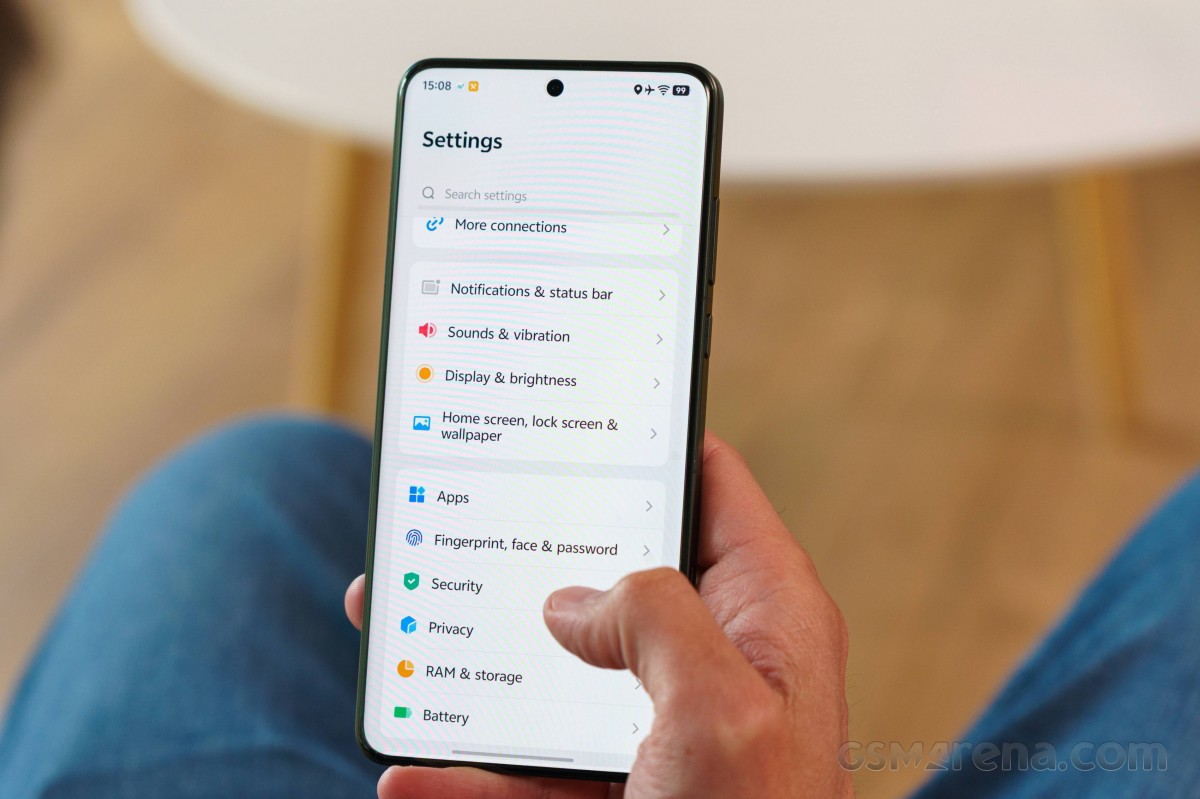
We had our first encounter with OriginOS 5 on the Chinese version of the X200 Pro a while back, and what we have here is essentially the same, and not a whole lot different from the OriginOS 4 we used on the X100 Ultra.
You can expect to see a bunch of China-specifc apps, but you can get rid of them fairly easily, if you want to achieve a more western experience. Non-translated menu items weren't a common occurrence, so you can almost forget you're using a non-global phone.
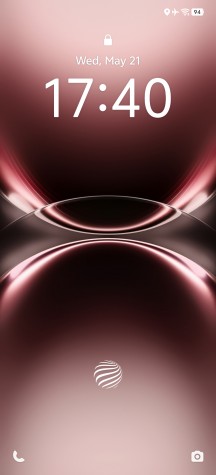
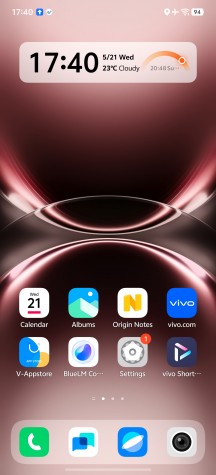
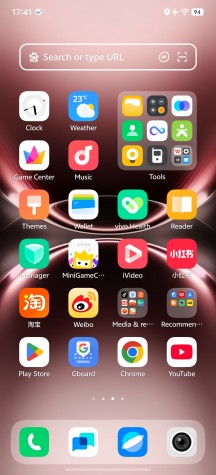
Origin OS 5 on the vivo X200 Ultra
As with other Chinese ROMs, you can expect to see a more granular approach to permissions than what we're used to with international builds - it does take a few more taps to get all your apps going, but it's not necessarily a bad thing.
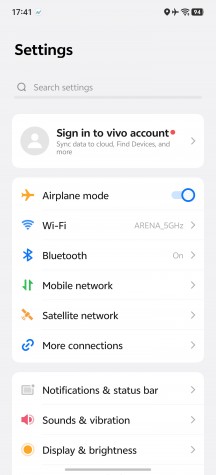
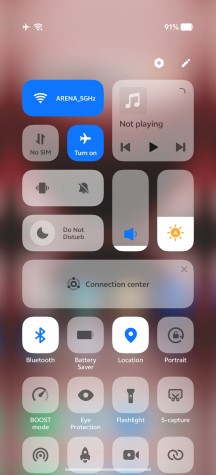
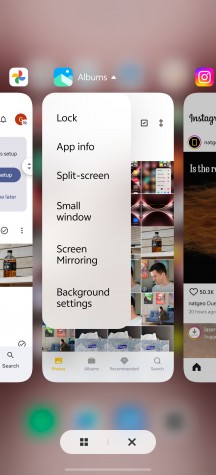
More Origin OS
You can forget about having a Timeline in Google Maps - one of the more glaring downsides of the Chinese-specific firmware. If you use it, of course. We've had a hit-and-miss experience with Google Pay with some cards not working, though that may vary wildly depending on banks and whatnot. Wear OS devices can be tricked into pairing and syncing, but payment will likely be a no-go. Android Auto appears to be working.
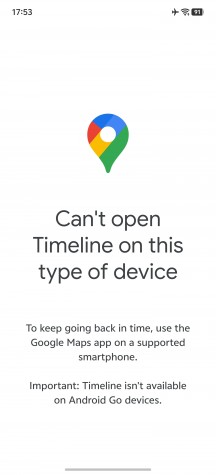
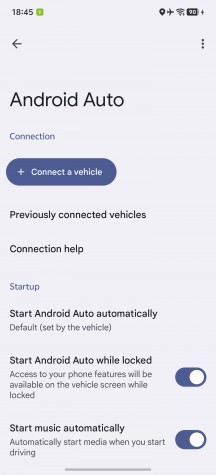

No Timeline (location history) • Yes Android Auto • Yes Google Pay (maybe)
Depending on how much you value the X200 Ultra's other virtues, living with the software limitations imposed by its Chinese ROM may very well be worth it. We certainly like the look and feel of Origin a lot better than the old-school Funtouch, but it's not really a matter of choice. If anything though, being able to have Origin instead of Funtouch can almost be considered an upside if you're thinking of gray-importing an X200 Ultra.
Performance and benchmarks
Ultra and Elite go hand in hand and the vivo X200 Ultra uses the latest high-end Qualcomm chipset. Just like in the Oppo lineup, where the Find X8 Ultra is powered by the Snapdragon 8 Elite, so too is the vivo X200 Ultra, with both company's Pros opting for the current top-tier Mediatek. Other Ultra/Elite combos include the Galaxy S25 Ultra and the Xiaomi 15 Ultra, both of which are fairly obvious competitors of our vivo.
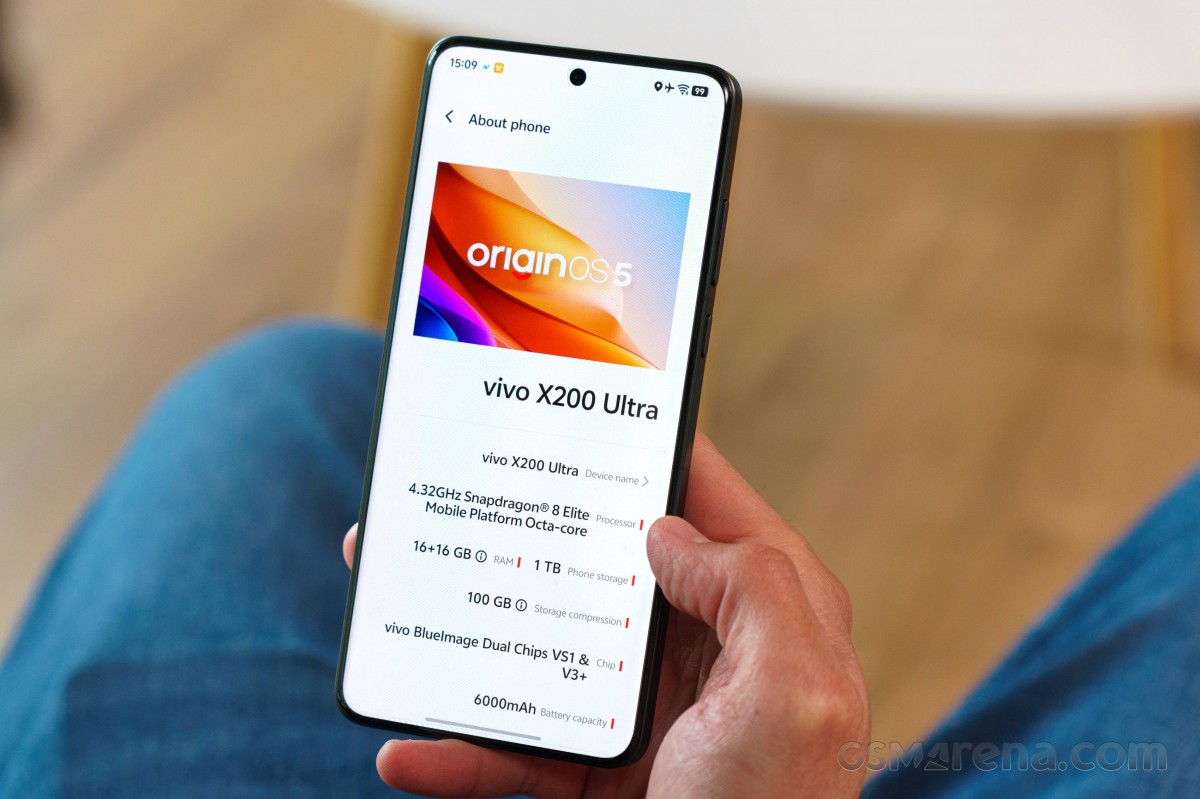
The X200 Ultra comes in three memory configurations, starting from a far too basic 12GB/256GB option and culminating at the 16GB/1TB spec we have for review. The middle option sounds like the way to go for most people, at 16GB/512GB.
The vivo posted excellent scores in our benchmark runs, outperforming essentially everything in the GPU-focused 3DMark, scoring near the top in overall performance in Antutu, and returning solid numbers in the CPU-only GeekBench. Great results overall, which shouldn't come as a surprise, given the hardware inside the phone.
GeekBench 6
- Multi-core
- Single-core
 ROG Phone 9/9 Pro
 Zenfone 12 Ultra
 iQOO 13
 Oppo Find X8 Ultra
 Xiaomi 15 Ultra
 vivo X200 Ultra
 Sony Xperia 1 VII



AnTuTu 10
ROG Phone 9/9 Pro
vivo X200 Ultra
iQOO 13
 Honor Magic7 Pro
Oppo Find X8 Ultra
Zenfone 12 Ultra
 Oppo Find X8 Pro
3DMark
- Wild Life Extreme (2160p)
- Solar Bay (1440p)
vivo X200 Ultra
Honor Magic7 Pro
Oppo Find X8 Ultra
ROG Phone 9/9 Pro
 OnePlus 13
Oppo Find X8 Pro
iQOO 13
There was also little out of the ordinary when we fired up the stress tests - the X200 Ultra, as is common for flagships, tends to throttle hard under long-term maximum load. That said, when faced with peak CPU load, it was near maximum performance for over 10 minutes, which should probably be good for most situations when you might need maximum CPU performance. It did eventually drop to a little over 60% of its maximum result and would then do short bursts of near maximum performance followed by longer stints at 60-ish percent.
In the 3DMark Wild Life test, the decline in performance was similarly gradual, though it did experience dips all the way down to 49% of its initial performance, which is a bit extreme. So you might get the occasional choppiness under a very demanding load, sometime down the line, theoretically. We can't say we ran into one of those in practice, however.
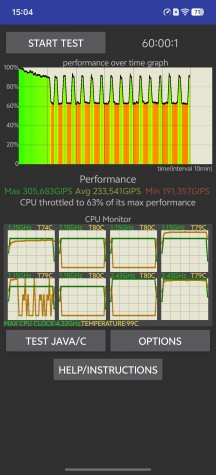
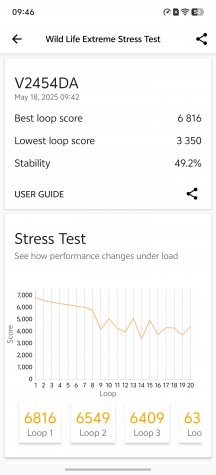
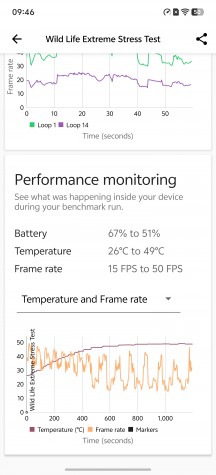
CPU Throttling test • 3DMark Wild Life stress test


Tip us
2.1m 180k
RSS
EV
Merch
Log in I forgot my password Sign up