Sony Xperia 10 VIII review
Design, build quality, handling
As we said, the design hasn't changed much from last year's model, and frankly it is quite retro. Nobody really does phones in this manner anymore. And while some design points are more subjective and up for debate, even things like the wider display bezels can be spun in a positive way if you try hard enough, other bits just feel out of place on a phone from this price range.
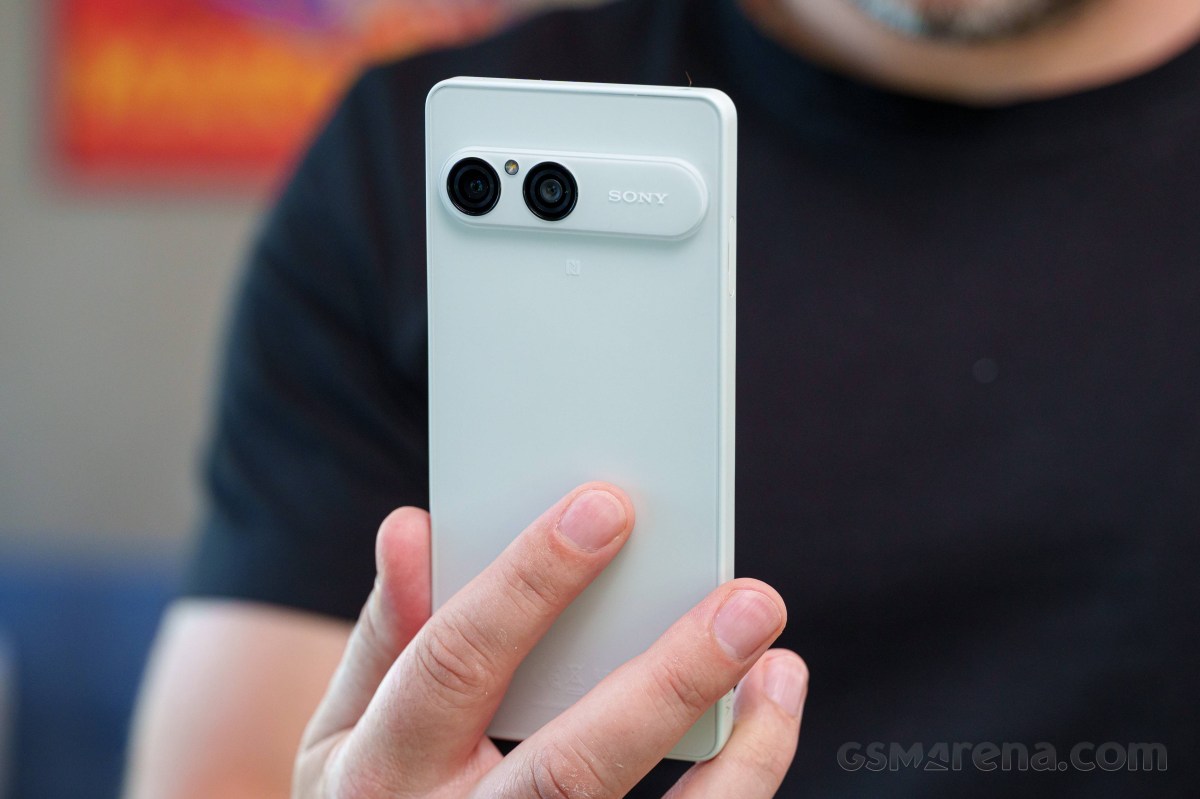
That is particularly true of the plastic build. Again, we have nothing intrinsically against plastic as a building material. It is relatively light and pretty strong for its weight. Also, it doesn't scratch or dent quite like metal. Well, at least some cheaper metals do. Our only point is that a phone this expensive should perhaps offer a bit more premium bill of materials.
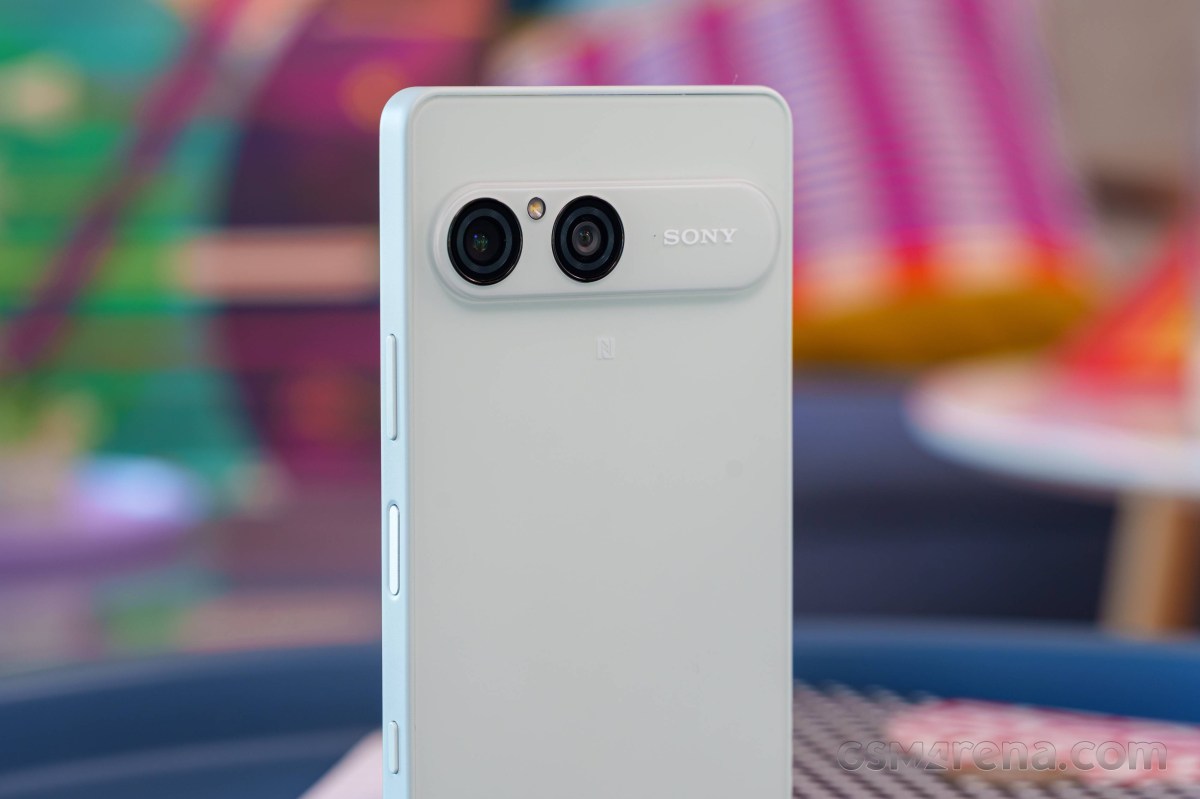
Sony could have at least made the back panel from some sort of hardened glass. Though, it's not entirely lost on us that going for plastic there as well does ironically make for a pretty distinctive look and feel in 2026.
At least the front is covered with Gorilla Glass Victus 2 - technically not the best Corning currently has to offer, but certainly good enough in our book.
Also, the Xperia 10 VIII gets a proper IP65/IP68 ingress protection rating, which should let it survive a dip in up to 1.5 meters of fresh water for up to 30 minutes.
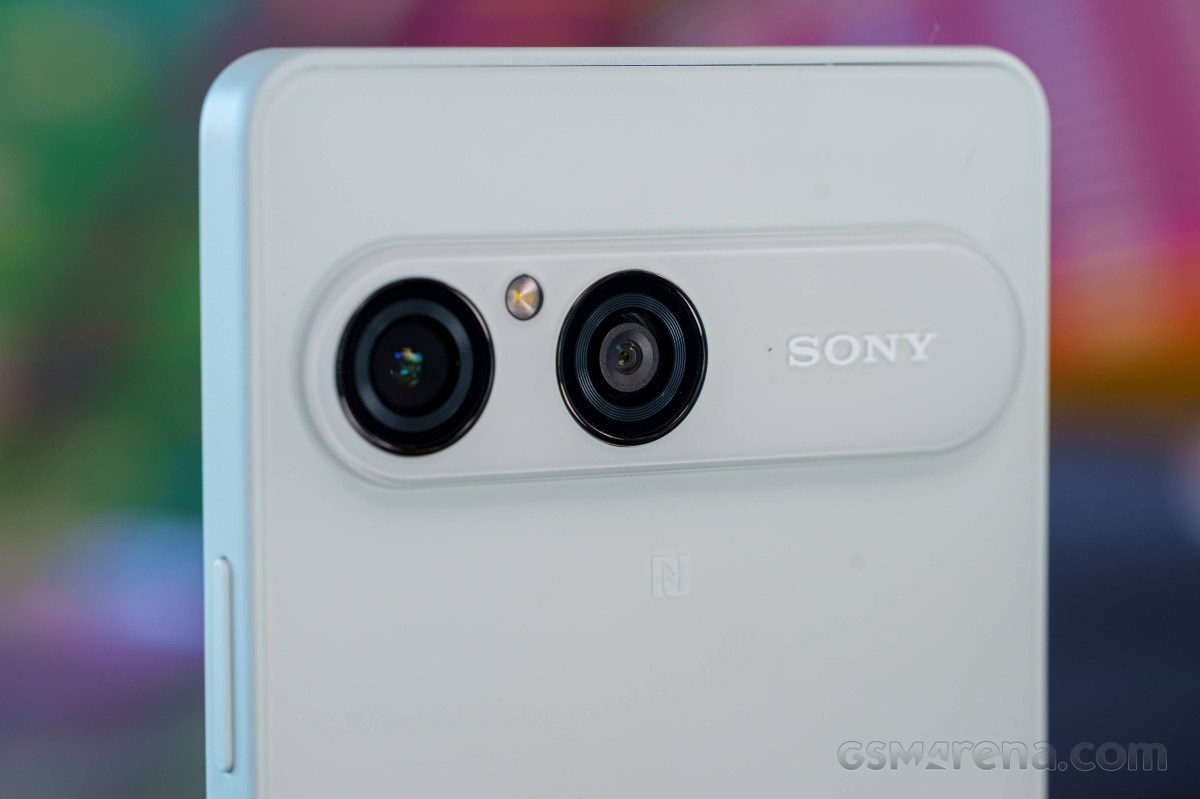
So, Sony didn't change materials. We can live with that, but why not at least play with the design and try to make it distinctive? It can still be just as clean and simple as always, but what Sony has done here is essentially copy-paste the camera island from the Xperia 10 VII. Going from the Xperia 10 VI to the Xperia 10 VII, at least the camera island went from vertical to horizontal.
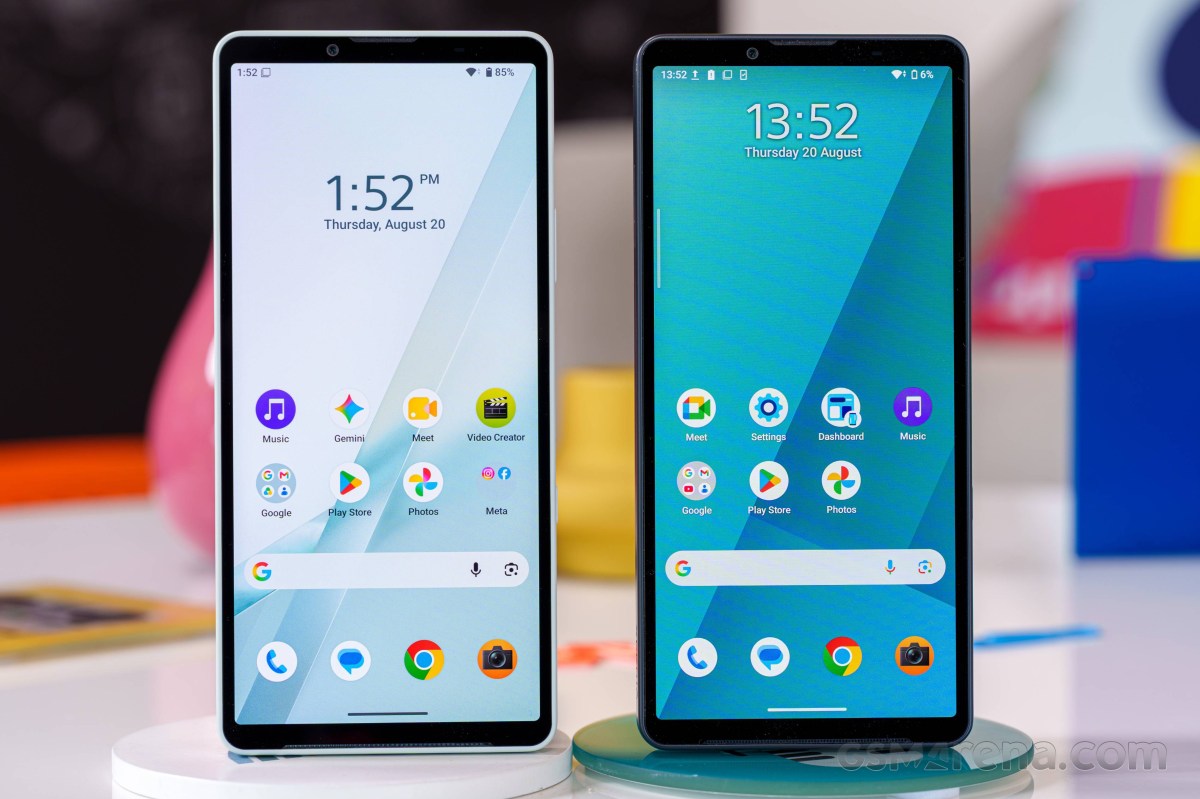 Left: Sony Xperia 10 VIII • Right: Sony Xperia 10 VII
This year it seems like the design team just took a collective break. Well, ok, that's not entirely fair; there is a new transparent layer on top of the Xperia 10 VIII camera that wasn't there last year. It is frankly really hard to notice, but it is there. We guess that was the most minimal change that required no new molds.
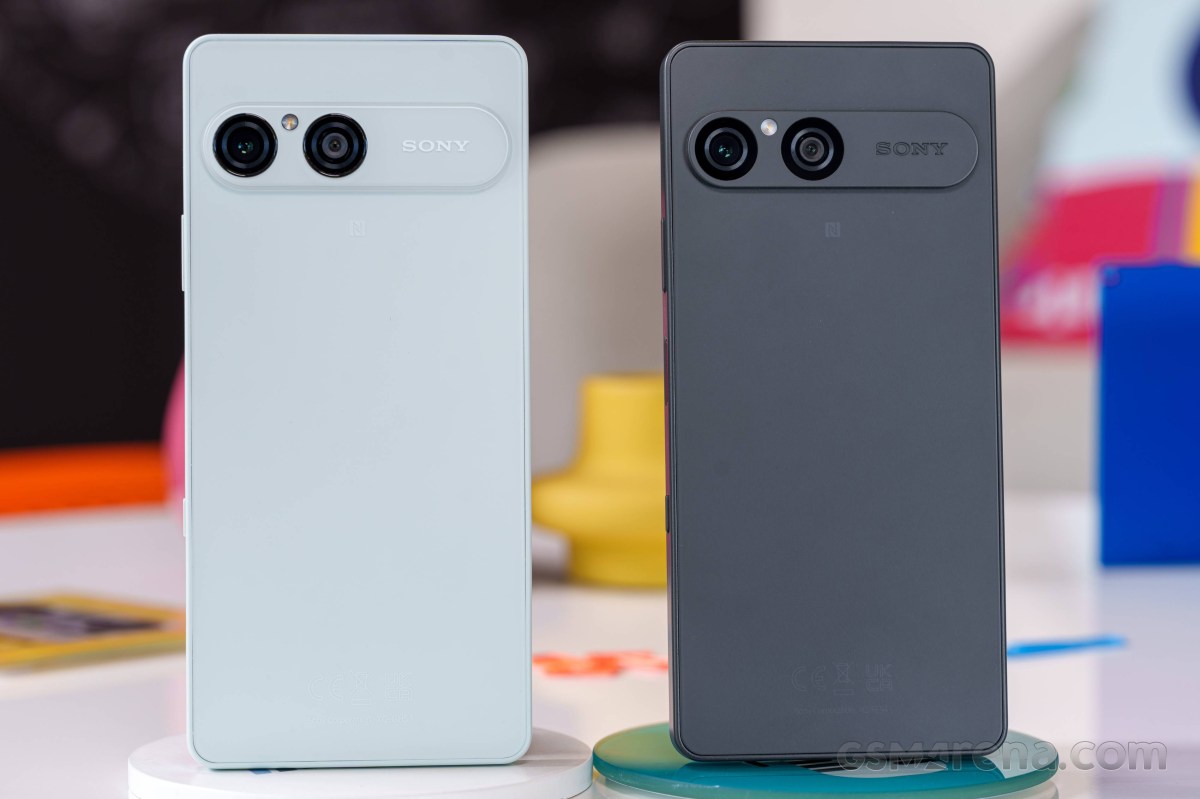 Left: Sony Xperia 10 VIII • Right: Sony Xperia 10 VII
At least the color selection appears to be slightly different. There is, of course, white, which has sort of become a staple of the family. It is called Frozen White. Beyond that, you can also get the phone in Frosted Gray or Misty Lilac.
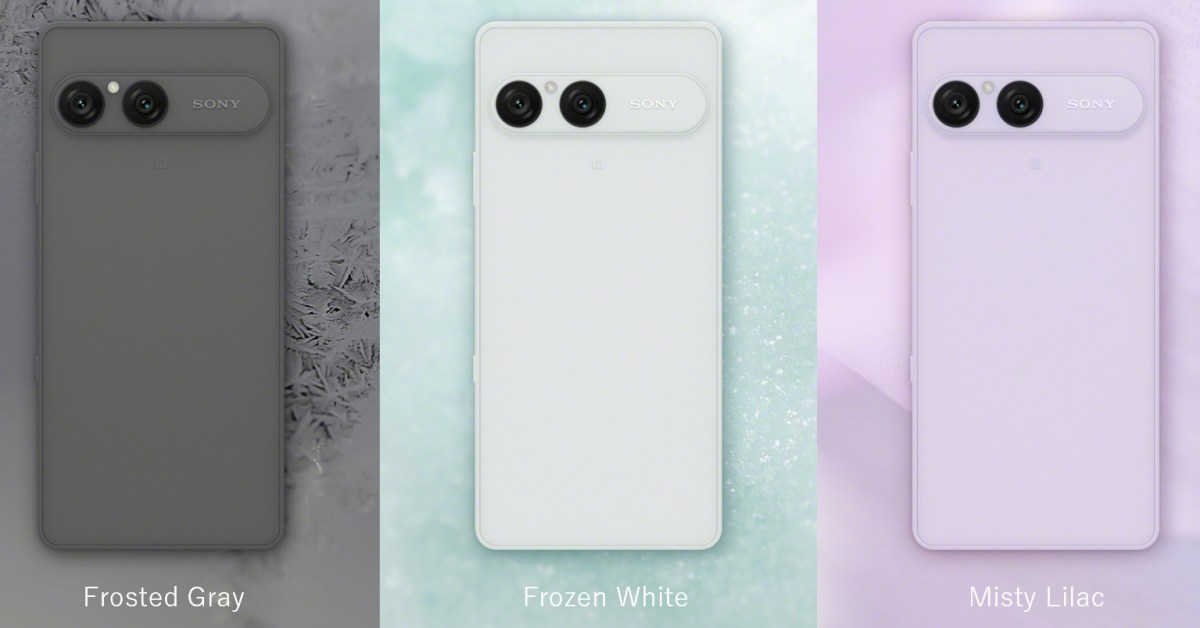
There is nothing to particularly point out or really get excited about when it comes to the overall shape here either. It is the same as before and is oddly a mixture of current trends like flat sides and a flat front and back, plus rounded corners, but not entirely, since said rounding is very mild by modern standards and barely extends to the actual display corners. Well, sort of. While only a few pixels seem to be physically missing from each display corner, for some reason Sony decided to make the actual UI corners a bit "rounder", effectively deciding not to use a few more pixels in each corner. Weird.
And, of course, there are the big display bezels that really complete the retro aesthetic.
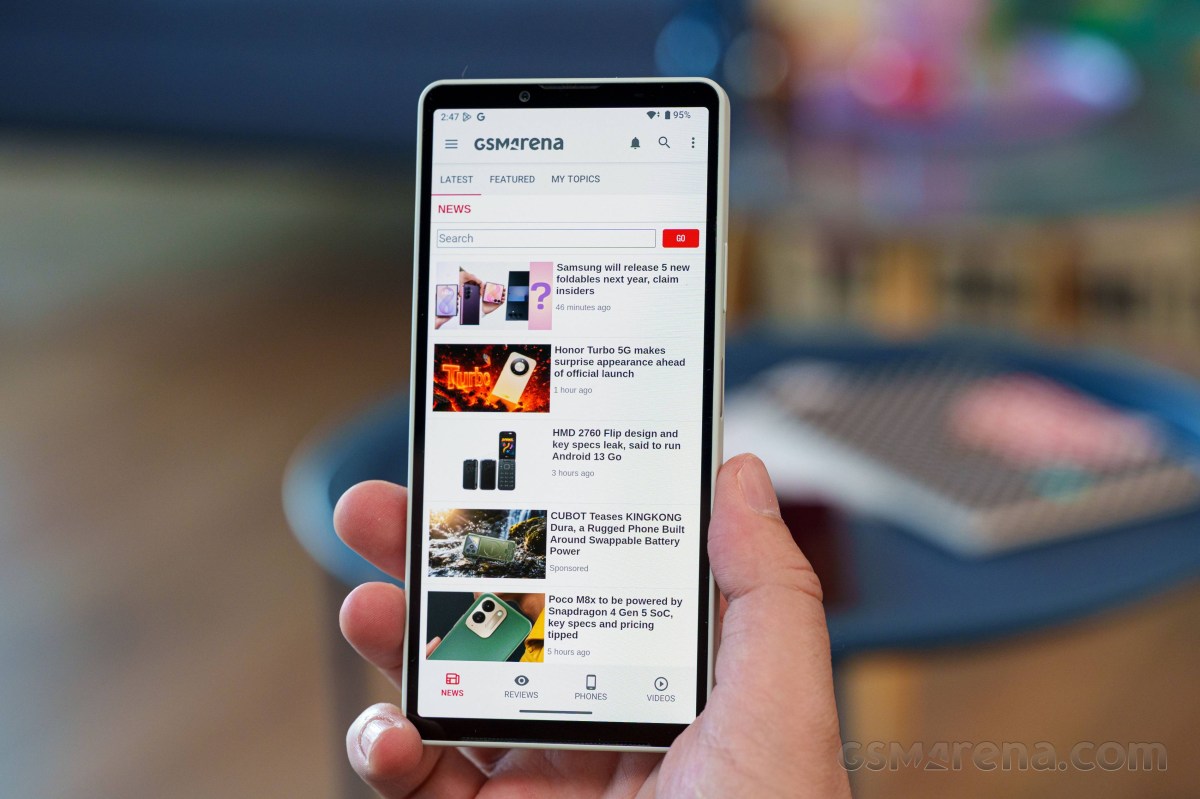
Let's talk about the front a bit more since it really does come straight from a bygone era of smartphone design. There is substantial padding to the left and right of the display and even a sizeable bottom chin. Sony couldn't possibly still be sourcing and using displays that actually have their control board sitting right underneath, taking up space? Right? No, we think that the much more plausible explanation is that this space is taken up by the bottom front-facing speaker. That's one pretty unique thing the Xperia 10 line still has going for it.
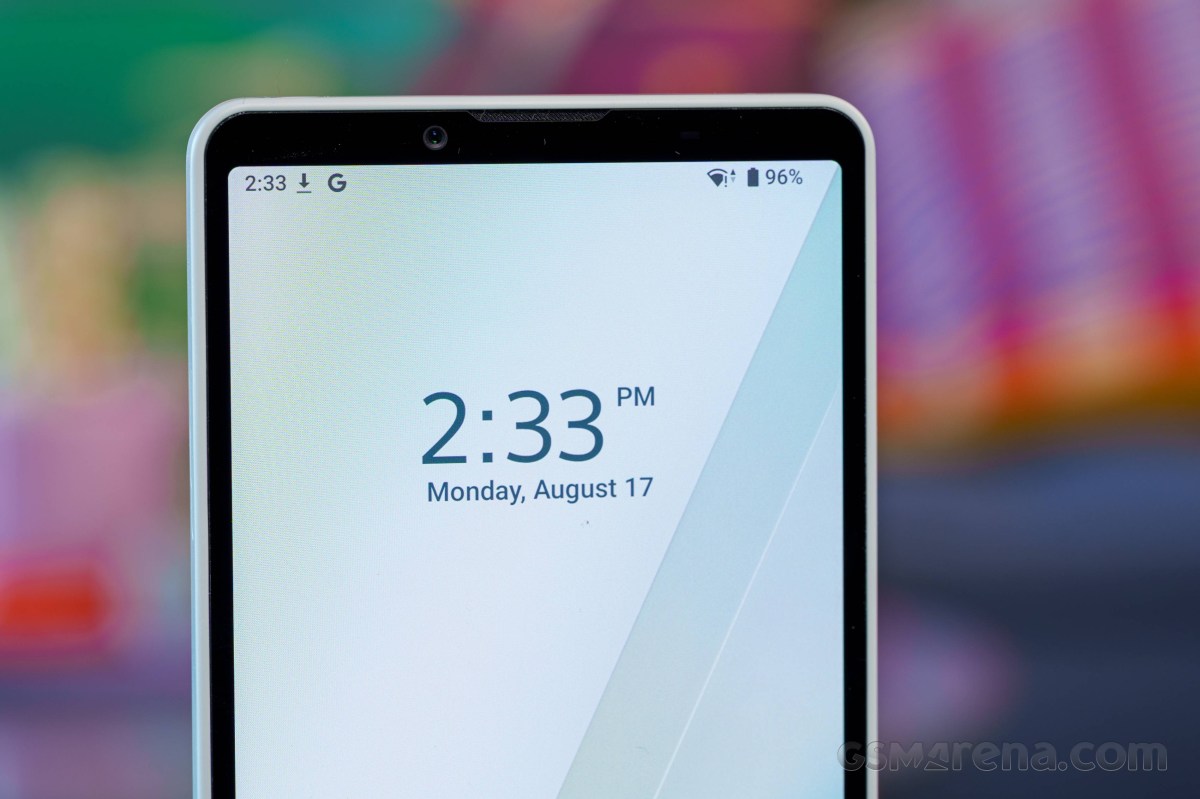
Anyway, the sizable area above the display does have its perks. For one, there is enough room there to house the selfie camera, which leaves the display on the Xperia 10 VIII absolutely uninterrupted. No punch hole or anything of the sort. Frankly, we kind of miss that.
The rest of the retro top bezel we can frankly take or leave, like the clearly distinguishable earpiece/top speaker and the plainly visible window for the light and proximity sensors.
The quirkiness continues with the Xperia 10 VIII control set and layout. Again, depending on what you value and prefer, this could be a big win for you or perhaps a source of annoyance. Well, if you dislike a side-mounted fingerprint reader for one reason or another, this could be a big win for you. We personally think it is a good place to have a fingerprint reader. Plus, this one is big enough, on top of being a traditional capacitive unit, to be both really snappy and reliable. Still, we get how it might not be everybody's cup of tea. There is no technical reason Sony can't go with an under-display reader, making this a deliberate choice.
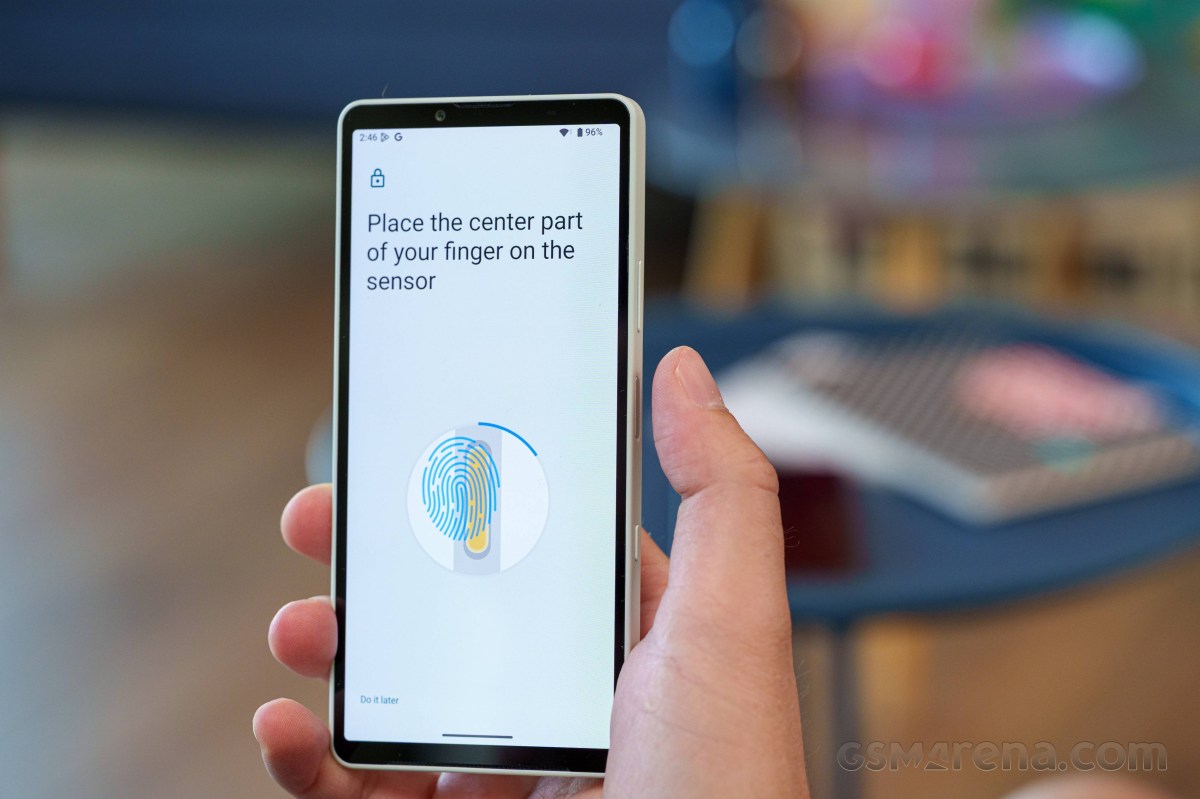
So is the inclusion of a 3.5mm audio jack. You don't really see many of those anymore. The same is also true for the microSD card slot. It is a shared slot that makes you essentially decide between a second physical nano-SIM and extra storage. Sony also has its signature (and probably patented since you don't really see it elsewhere) toolless SIM tray that you can just pull out.
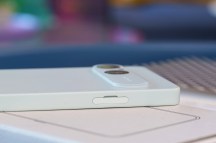
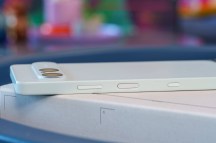
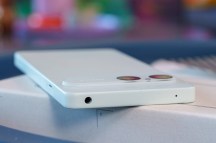
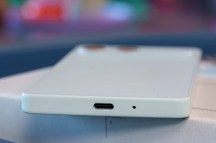
Sony Xperia 10 VIII
Below the power key sits Sony's trademark camera shutter button, which launches the camera with a long press and takes a screenshot with a short press. Unfortunately, it can not be remapped to other functions and is not two-stage either. Just Sony being particular once again.
All the buttons are well-positioned and quite clicky with good tactile feedback. We have no complaints.


Tip us
2.1m 180k
RSS
EV
Merch
Log in I forgot my password Sign up