Samsung Galaxy A18 4G review
Display
Samsung is pretty consistent when it comes to display. Being the biggest panel manufacturers in the space, it only makes sense. Generally speaking, the flagship S series get the so called "AMOLED 2X" panels, which is how Samsung tends to denote its higher-end display technology. On the flip side, the Galaxy A family generally gets what is still called "Super AMOLED", another marketing name that Samsung used to integrate in its flagships a few years ago and has now "trickled down" so to say to the Galaxy A family.
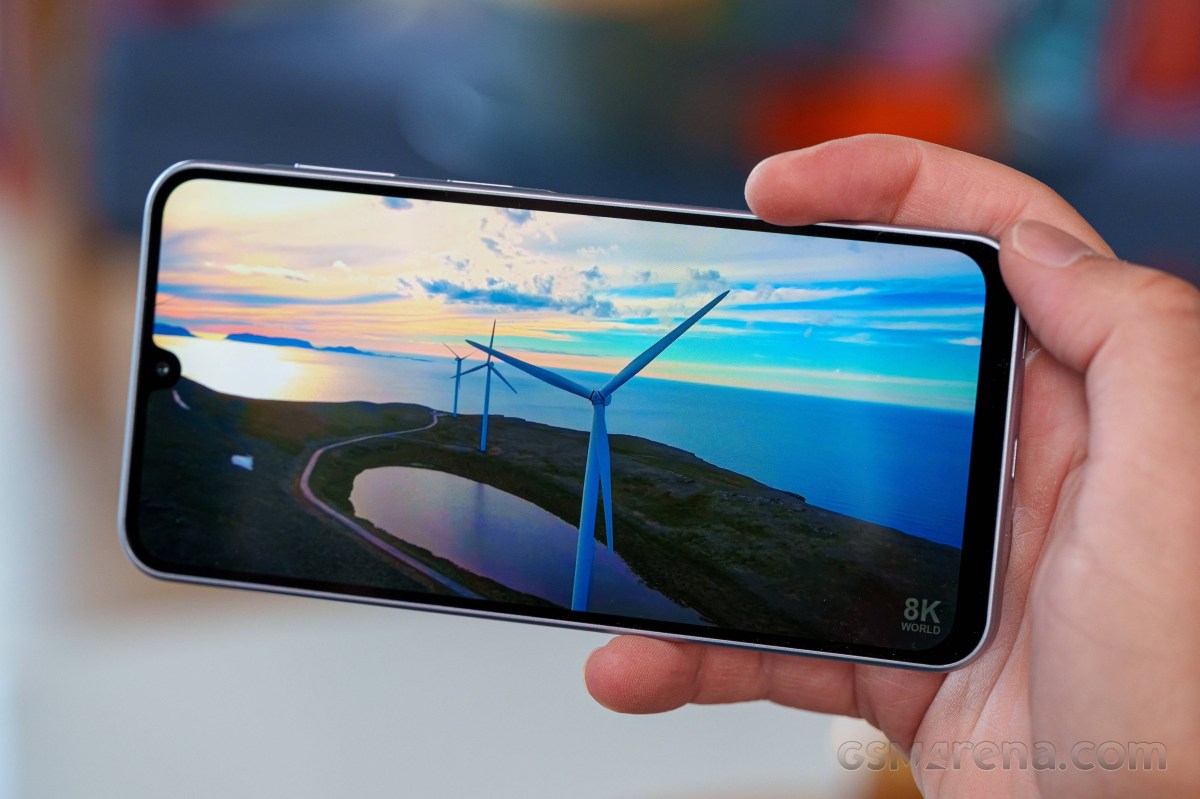
However, that definitely doesn't mean that Samsung is reusing old panel technology let alone old panels. We are fairly certain it's actually quite the opposite since year over year we tend to notice small generational improvements here and there. The Galaxy A18 4G is a perfect example. On paper, it looks to be using the same 90Hz Super AMOLED with a 1080 x 2340 pixel resolution, 19.5:9 aspect ratio and around 385 ppi of pixel density that we've seen time and time again. Still, we can't quite put our finder on it but we swear our A18 4G review unit looks a bit sharper, more contrasty and with more vivid colors than we are used to seeing on this class of Samsung device.
Anyway, as far as things we can actually measure go, the brightness output on the A18 4G is pretty much in line with other recent A series devices. The AMOLED ones, that is, there are still some really cheap LCD models out there like the Galaxy A07 4G that can't measure up. Samsung generally aims to put out around 800 nits in auto mode and indeed in a bright environment, on a 75% window, we got just shy of 800 nits on our unit. In a smaller 10% window, the phone managed to boost to about 1,100 nits. That's far from spectacular, but still perfectly usable in most outdoor situations in our opinion.
That said, most of its competitors tend to offer more brightness and hence a more impressive viewing experience. Even some of Samsung's other higher-end A-series offers like the Galaxy A37 offer much better brightness figures even though they technically still market their panels as "Super AMOLED" or "Super AMOLED+" in the case of the Galaxy A57 which is even HDR10+ certified, so it kind of needs the brightness on that front.
The minimum brightness we measured at point white was 1.8 nits.
Max display brightness test
White test pattern (nits)
- Manual (75% fill)
- Auto (75% fill)
- Peak Auto (10% fill)
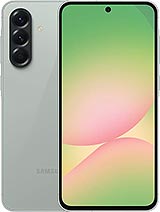
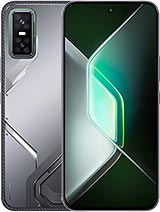 Infinix GT 30 Pro
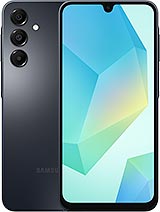 Galaxy A16 4G
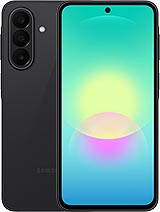 Galaxy A27
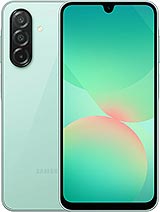 Galaxy A26
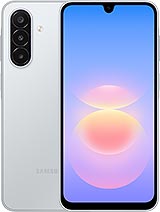 Galaxy A18 4G
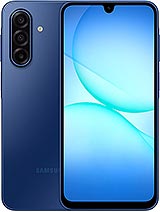 Galaxy A17
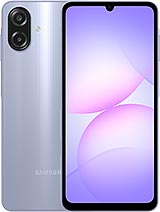 Galaxy A07 4G
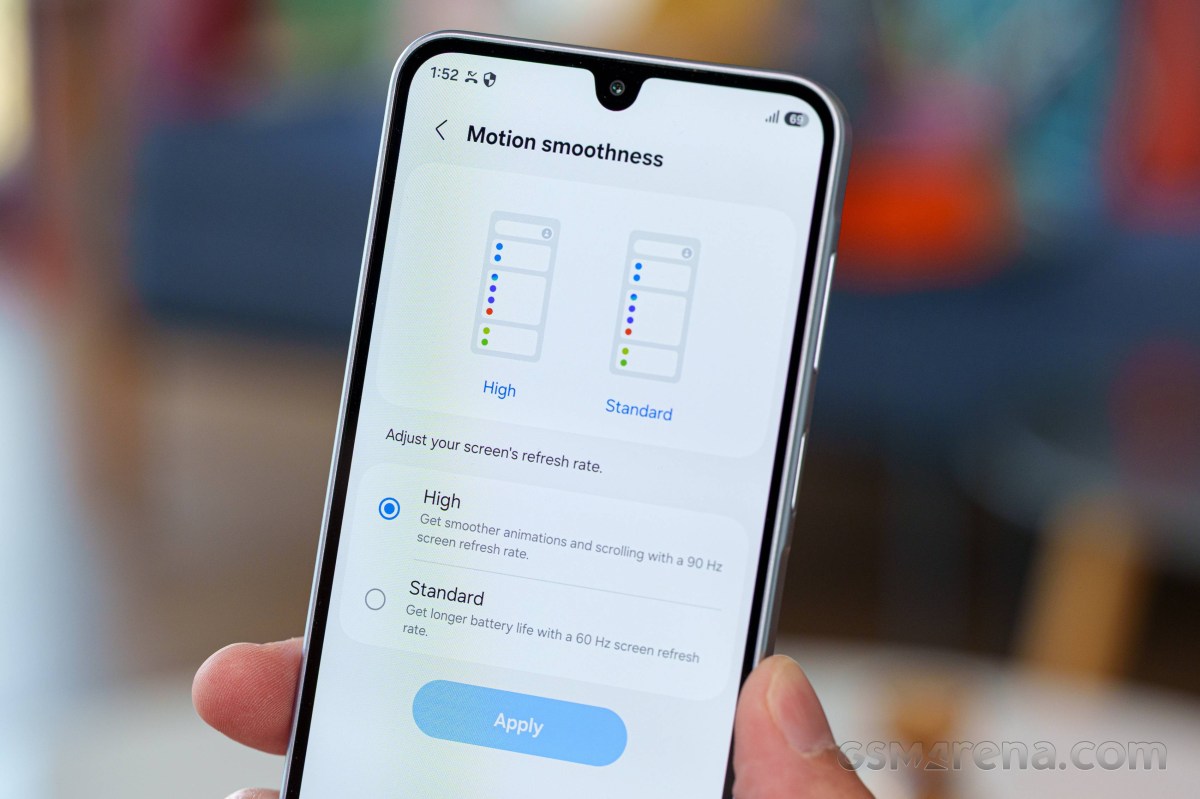
The Galaxy A18 4G has a 90Hz capable display. That's pretty much the bare minimum for any modern display so no surprise there. There is basically no automatic switching behavior to speak of. You get two modes of operation - high refresh rate mode that locks the display to 90Hz and the regular one that locks it to 60Hz. It has been widely tested time and time again that 90Hz generally consumes very little extra power compared to 60Hz, so there is really no reason to deprive yourself of the extra smoothness it enables. You might even be able to find the occasional casual light game that the A18 4G has enough power to run at over 60fps and that supports higher frame rates to begin with. It's pretty hit and miss though. You don't really buy a Galaxy A18 4G for gaming.
As mentioned, there is no HDR support here. The phone doesn't report hardware decoder capabilities for any of the popular HDR formats. On the plus side, it is certified for the highest possible Google Widevine L1 DRM, allowing apps like Netflix to offer up FullHD streams.
Battery life
The Galaxy A18 4G has a 5,000 mAh battery - pretty much the "Samsung standard" for a while now. It is your basic Li-ion cell - nothing fancy in terms of chemistry. Hence, we pretty much already had a rough expectation of the kind of battery life to expect going into the tests. Still, there is the unknown of the Exynos 1610 chipset, which, while not "new" in the absolute sense, is still a new take on a familiar design.
The Galaxy A18 4G managed an Active Use Score of just over 13 hours, which is about what we would expect, if not a bit better than expected. Nothing spectacular or groundbreaking but to be fair, competitors with significantly larger batteries like the Xiaomi Poco M8 Pro or the Honor 600 will have that comfortably beaten. Still, you can easily get a full day and more from the A18 4G.
Charging speed
The Galaxy A18 4G comes with Samsung's 25W charging support - another case of standard Samsung budget phone. Samsung technically has its own charging standard called Samsung Fast Charging (SFC) - a long-standing marketing brand that has gone through so many changes and sometimes weird iterations at this point that it is honestly best to try and simplify it as much as possible. Under the hood, this particular 25W variety is nothing more than standard USB Power Delivery (PD) + PPS. There is no weird PPS profile required and you can use a basic non-e-marked 3A Type-C to Type-C cable, like the one provided in the box.
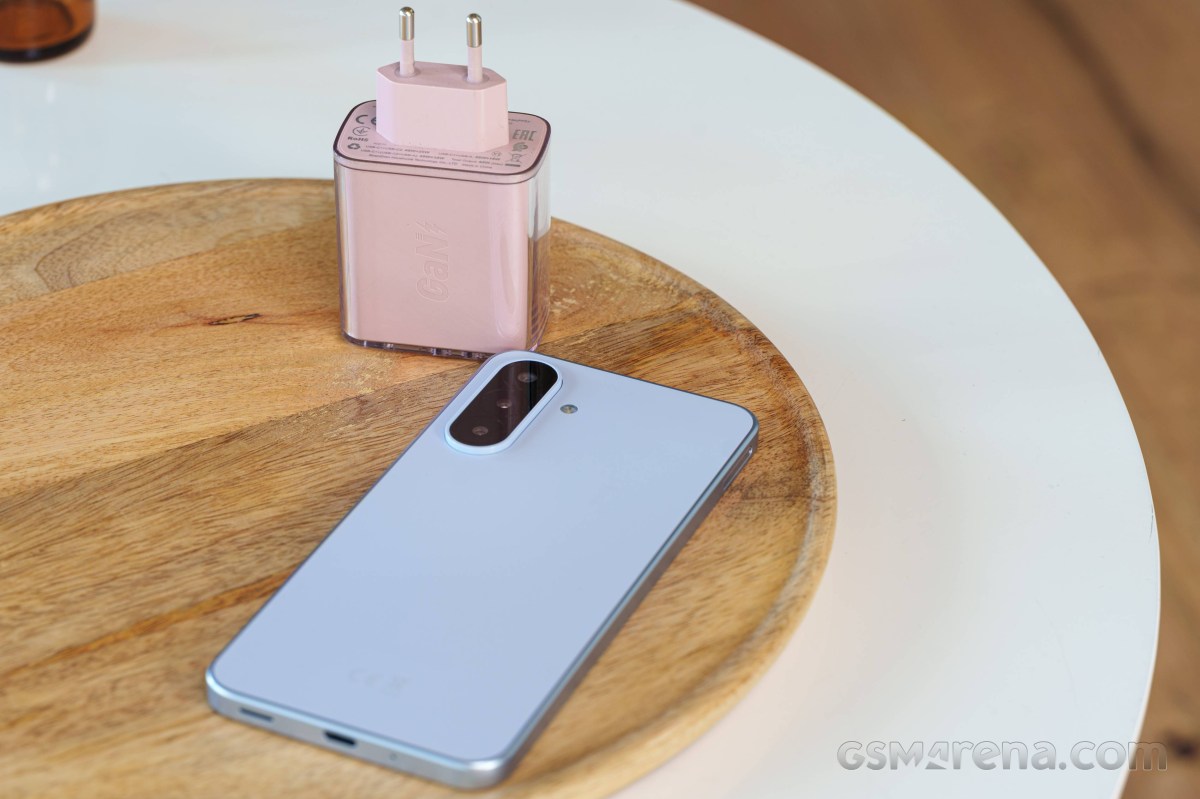
While Samsung's 25W chargers are quite ubiquitous at this point in time, there are a surprising number of fakes out there (particularly in Russian regional packaging for some reason). Either get one of those from a reputable vendor or any high-quality third-party charger will do just fine as long as it supports dynamic PPS in the 3.3V to 11V range at at least 2.25A (most usually offer 3A).
We did our testing with an original Samsung 25W charger and the in-box cable. Samsung claims the A18 4G should be able to go from dead to 50% in about 30 minutes and we matched that in our testing. The phone got from 1% to 29% in fifteen minutes and 48% in thirty minutes. A full charge did take a bit longer than expected and finished at almost the hour and a half mark. We did run a charging test with a power meter connected and observed that past the 80% mark, charging tends to slow down quite a bit. Our best guess is that Samsung is really trying to optimize for longevity on the A18 4G as best it can.
Charging speed
- in 15 min
- in 30 min
- Time to full charge (from 0%)
 Redmi Note 14 Pro+ (Global)
Galaxy A27
Galaxy A17 5G
Galaxy A18 4G
 Galaxy A16 5G
 Infinix Note Edge
Galaxy A07 4G
There are a few battery protection features on board. Nothing too special though. Though, there is actual bypass charging buried inside the Game Booster settings. You can outright disable Fast charging if you feel like it. There is also "Basic" battery protection that charges to 100% and then waits for the battery to drop to 95% before it starts charging again. Then there is "Maximum" battery protection that lets you choose a lower threshold for said behavior: 95%, 90%, 85% or 80%. Lastly there is a smart "Sleep time protection" feature that promises to automatically charge up to 80% while you sleep and only top-off before you wake up. Interestingly, you can't combine the "Maximum" battery protection and the "Sleep time protection". You need to stick to the basic 95% threshold.
Speakers - loudness and quality
The Galaxy A18 4G has a single bottom-firing speaker. Again, pretty much what we expected to see. You actually need to jump all the way to the Galaxy A37 to get a hybrid stereo speaker setup.
After getting a slightly quieter loudness score in our testing on the Galaxy A17 last year (the 5G version, that is) and technically slipping into the "GOOD" category on our scale, this year the Galaxy A18 4G has been retuned once again to basically Galaxy A16 levels of loudness, which is enough to earn it a "VERY GOOD" grade.
In reality, the actual difference in loudness between these devices is not huge and in either case loudness won't be your main issue. The quality of the output is more concerning, in the sense that it is still quite flat and dull with noticeable distortion at high volumes. Put into context, however, this is about as much as you can realistically expect in this market segment.
Use the Playback controls to listen to the phone sample recordings (best use headphones). We measure the average loudness of the speakers in LUFS. A lower absolute value means a louder sound. A look at the frequency response chart will tell you how far off the ideal "0db" flat line is the reproduction of the bass, treble, and mid frequencies. You can add more phones to compare how they differ. The scores and ratings are not comparable with our older loudspeaker test. Learn more about how we test here.
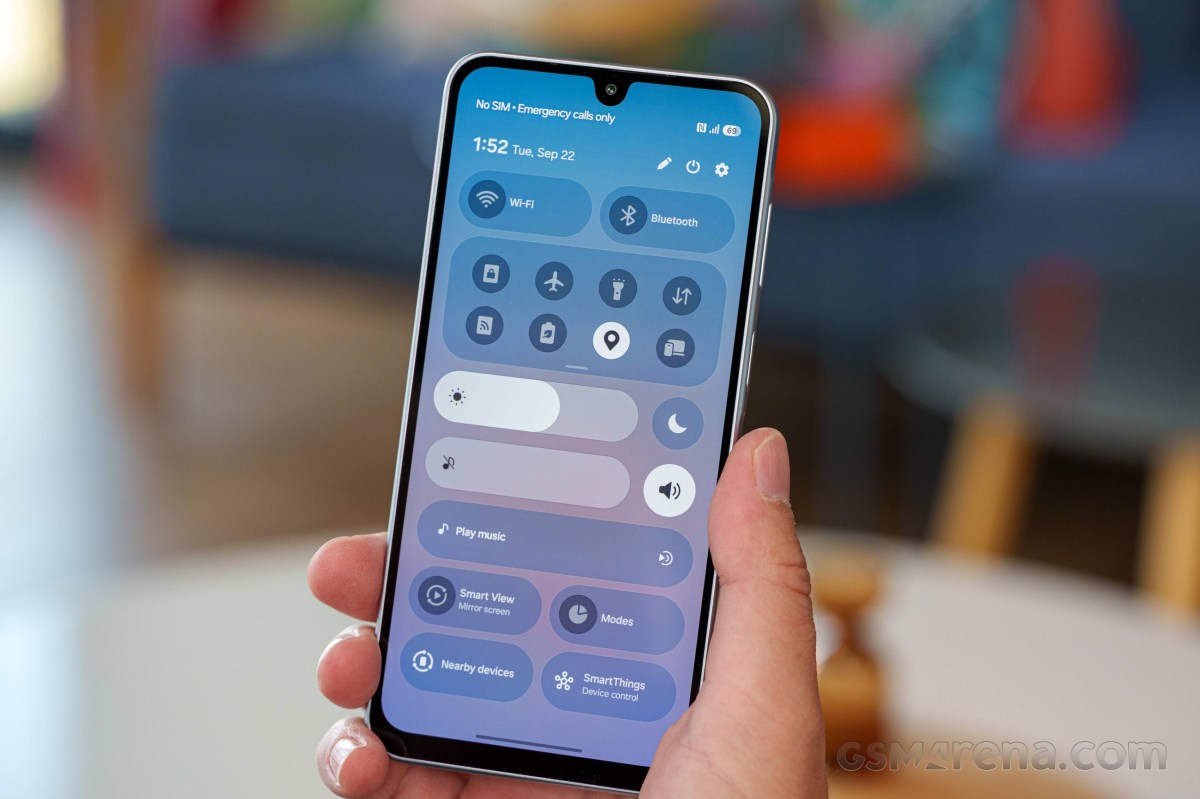
There is an equalizer with some manual controls and presets that works on both the speaker and headphones. The same goes for Loudness normalization and Adapt sound options. The latter is a long-standing Samsung system for tuning the sound profile mostly based on your age. There is Dolby Atmos on board with its own presets, but it only works with headphones. The same goes for the UHQ upscaler.
Connectivity
The Galaxy A18 4G is, you guessed it, a 4G only device. It can still do two LTE connections simultaneously on its two physical nanoSIM slots. There is no eSIM functionality. Plus, that second slot is a hybrid one, shared with the microSD, so you have to choose between a second line and more storage.
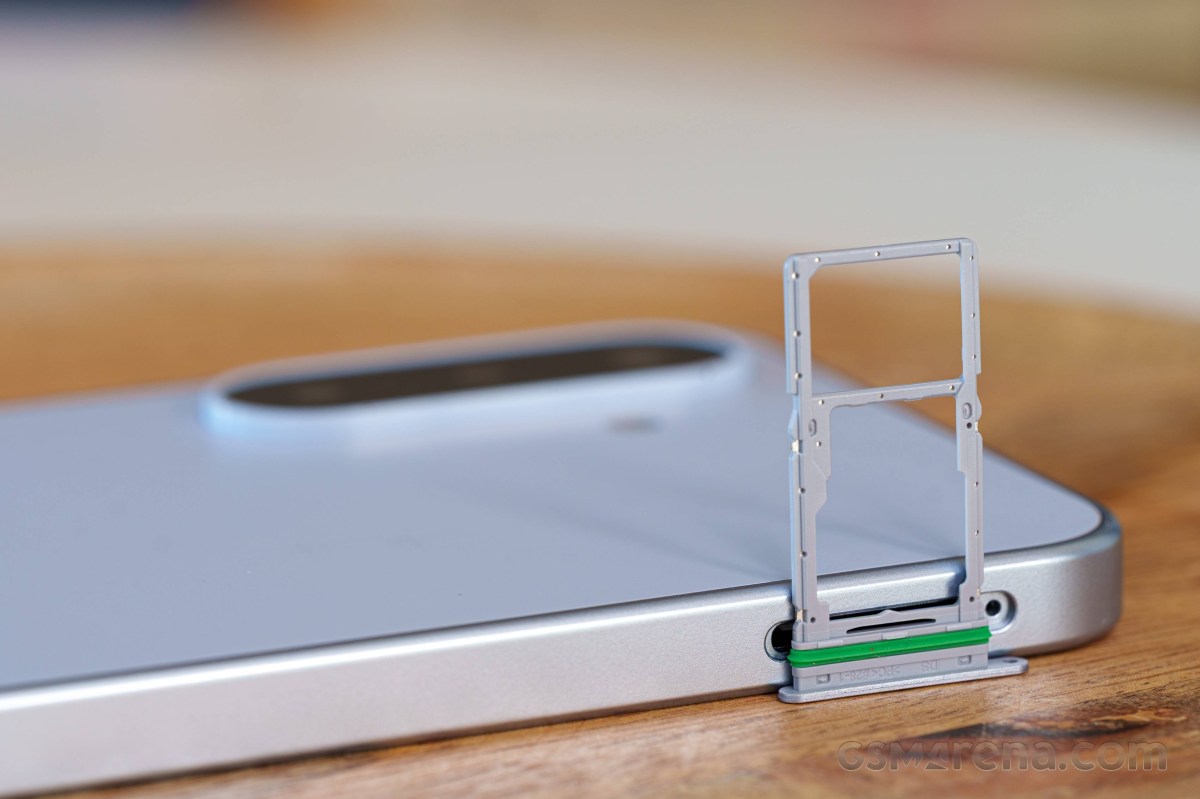
Location services include GPS, GALILEO, GLONASS, BDS and QZSS. Local connectivity includes dual-band Wi-Fi ac (no fancy 6 GHz here) and Bluetooth 5.3 with LE support. There is NFC, although not universally on all market variants. Make sure to check that with your vendor. No 3.5mm audio jack and no FM radio. No IR blaster either.
The Type-C port is backed up by a simple USB 2.0 data connection. That means a theoretical data throughput of up to 480 Mbps. There is support for USB Host/OTG but nothing fancy like video output. In fact, the A18 4G officially doesn't even get wireless Samsung DeX (there are some potential community hacks to get it going with dubious performance).
There is a healthy slathering of onboard sensors. These include an STM LSM6DSVTR accelerometer and gyroscope combo, an Asahi AK09918C magnetometer and compass combo, a Sitronix STK61A10 light sensor. Proximity sensing is virtual and is done through an "Ear Hover Proximity Sensor (ProToS)". This is slightly different than the also kind of virtual proximity sensing on say the Galaxy S series. Though, those devices do have an actual hardware proximity sensor, just basically hide it from third-party apps. But, we won't get into that. There is no barometer.


Tip us
2.1m 180k
RSS
EV
Merch
Log in I forgot my password Sign up