Realme X7 Pro hands-on review
Display
The X7 Pro is equipped with a 120Hz 6.55-inch FullHD+ SuperAMOLED display, and it's the top-specced panel in their lineup. They've had a few OLEDs, and they've had a few HRR displays, even some 90Hz OLEDs, but this is their first 120Hz OLED one.
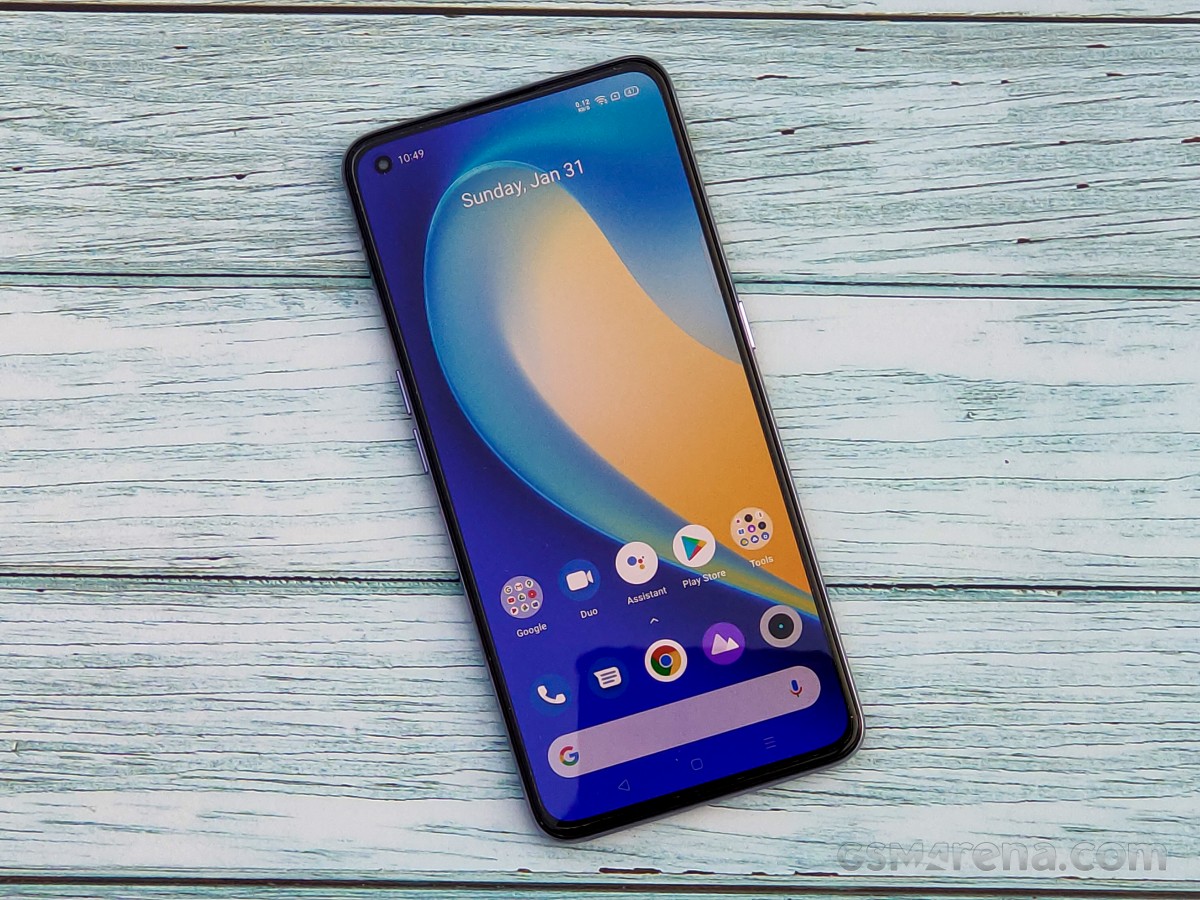
Realme promises a peak brightness of 1200nits for portions of the screen when viewing HDR content and 800nits for the entire screen in general use in bright ambient conditions. We couldn't test the numbers, but we can confirm that the phone remains legible in bright sunlight.
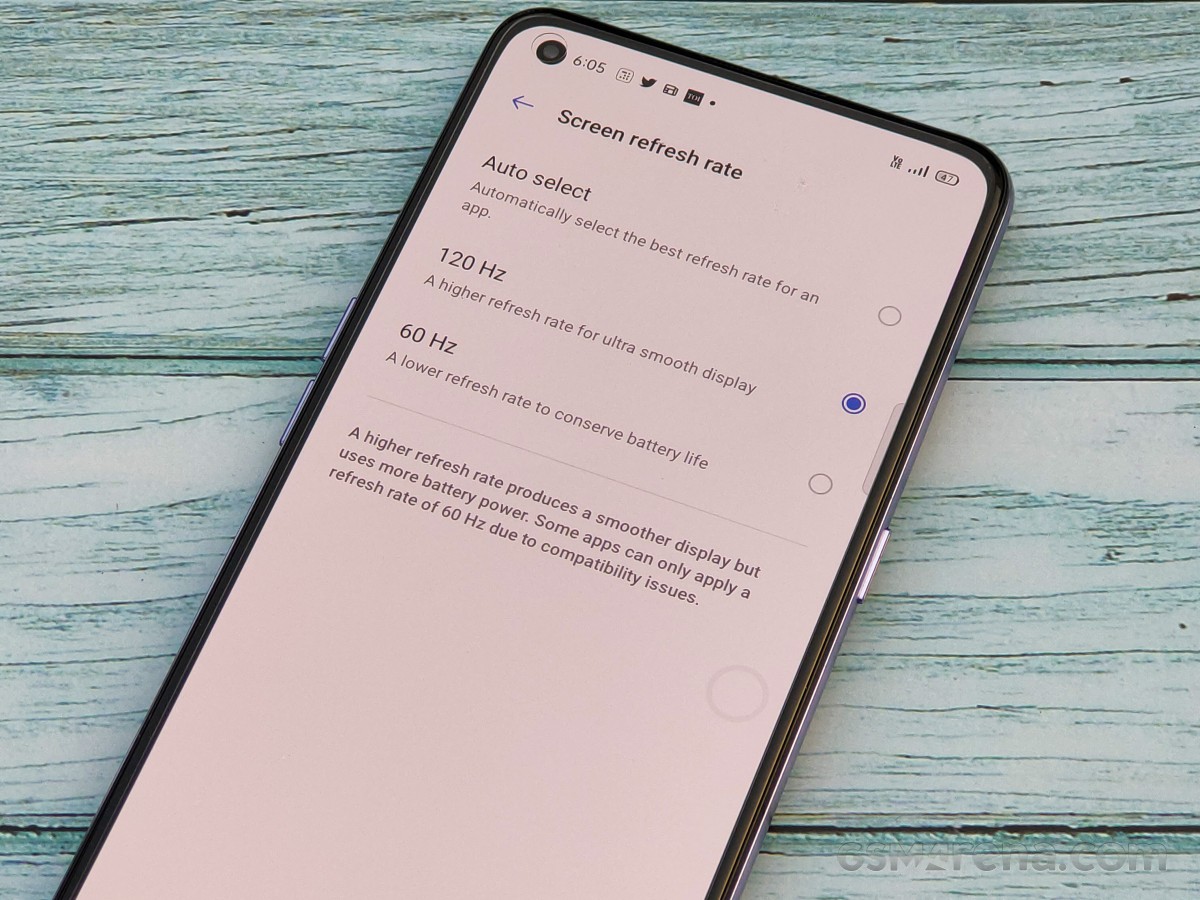
As for refresh rate handling, there are three modes - 120Hz, 60Hz and Auto Select. 60Hz will lock the panel in 60Hz, predictably, while 120Hz will maintain the high refresh rate for the bulk of applications and use cases, though it will still drop to 60Hz for fullscreen video playback.
The Auto Select mode is a bit more conservative - we were still looking at 120Hz for UI elements, but 60Hz in most apps (yet 120Hz in Instagram and Twitter).
Neither 120Hz, nor Auto mode is affected by touching the phone or leaving it idle - the choice of refresh rate is apparently app-based. There's no manual 90Hz mode, nor did we encounter the phone switching to 90Hz for any app or activity.
This all sounds like a perfectly sensible approach even if not quite as granular and activity-based as Samsung's Adaptive refresh rate implementation on the latest high-end Galaxies.
Battery
The X7 Pro is powered by a 4,500mAh battery - about average capacity for the display size, though the 120Hz refresh rate might be a bit much for it, we reckon. That said, we have limited previous experience with the Dimensity 1000+ chipset (or, rather, none), so it may very well be just right.
While we don't have the standard tests for you, anecdotal data points to pretty good battery life, indeed. In 120Hz mode, we got a total of about 6 hours of screen-on time on a charge with Wi-Fi connectivity in regular usage, including an hour of gaming, 30 minutes of 1080p YouTube videos, 48 minutes of Facebook, 23 minutes of Instagram, and 28 minutes of Quora. On another occasion, we had 4:45h of SOT and 28% left at the end of the day. Naturally, with mobile data turned on, the SOT will be less, though who goes places now to need mobile data.
As for charging, in our experience, the X7 Pro with its 65W adaptor missed the 35-minute mark to full charge - the number that Realme promises. However, at 39 minutes from zero to full, we don't think that's really an issue - it's still super fast. It took 16 minutes to get to 50%, while at the half-hour we were looking at 83%.
Software
The X7 Pro is running the original version of Realme UI bolted on top of Android 10, and that's one of our main issues with the phone - by now, we should be getting Android 11 already. Then again, the X7 Pro was announced at a time when A11 wasn't even official yet, and just because we're getting it a few months later doesn't mean it'll have made the jump. An update is surely in the works, but we don't have official word on the matter.
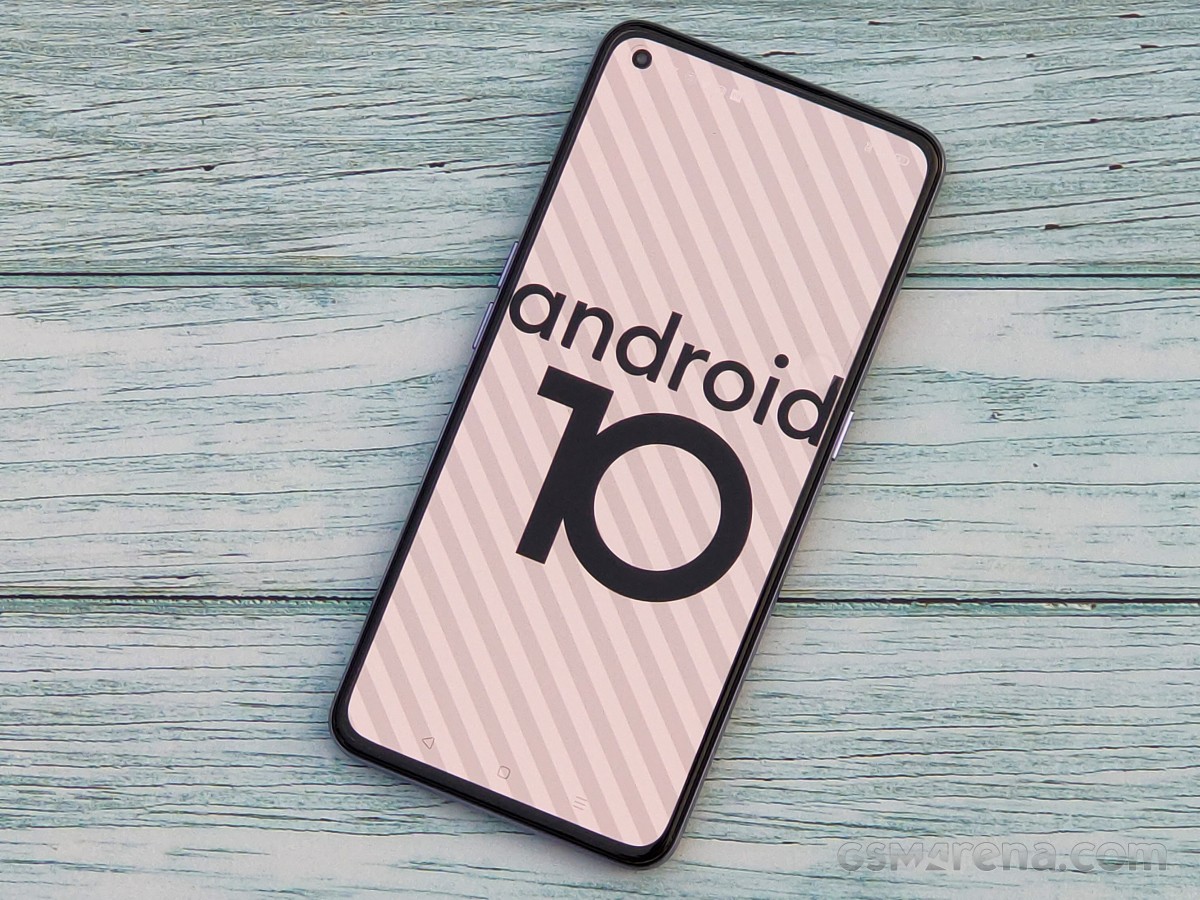
In the meantime, Realme UI v.1 is a very familiar interface. An offshoot of Oppo's ColorOS, it inherits that one's recent tendency for slightly toned down visual customization though it still does offer a comprehensive set of extra features and tweaks.






Homescreen • Folder view • Google feed • App drawer • Quick toggles • Task switcher
The in-house bits include Smart Sidebar - the pane of shortcuts that you pull out of the side of the screen, a whole lot of onscreen and offscreen gestures, and a gaming-focused Game Space utility to help you focus when gaming.





Smart sidebar • Gestures menu • Game Space • Settings • About screen.
Synthetic benchmarks
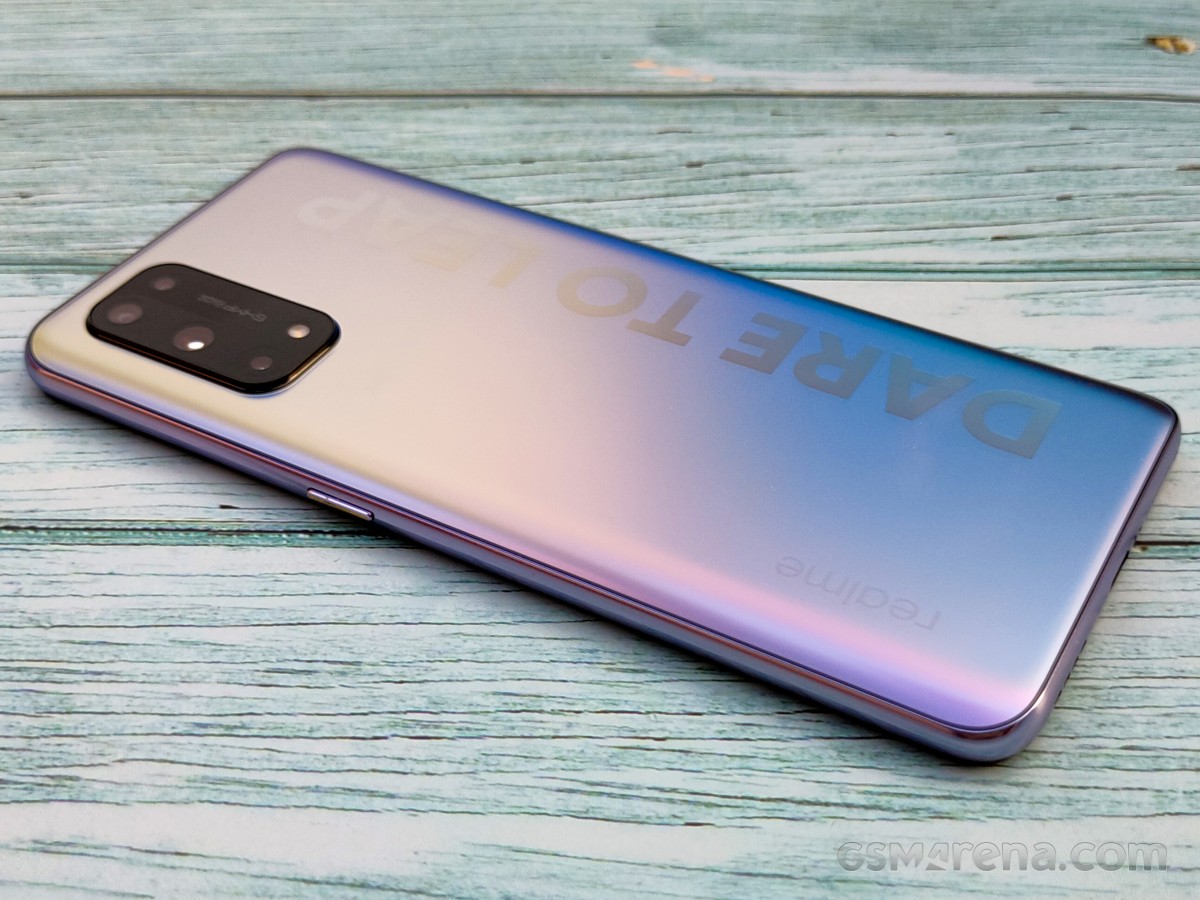
The Realme X7 Pro is one of a select few devices powered by the Mediatek Dimensity 1000+ chipset, the Chinese chipmaker's top-tier offering. Manufactured on a 7nm process, the SoC packs an octa-core CPU (4x2.6GHz Cortex-A77 & 4x2.0GHz Cortex-A55) and a Mali-G77 MP9 GPU. The 1000+ has an integrated 5G modem, too, much like all of this year's high-end chipsets.
As benchmark results show, the Dimensity 1000+ is a very powerful performer, though not quite at the same level as the Exynos 2100 or the Snapdragon 888. It does compare favorably with the Kirin 9000, however, as well as the SD865. Additionally, the Dimensity is vastly superior to the mass-market SD765G.
GeekBench 5 (multi-core)
Higher is better
-
Xiaomi Mi 11
3489 -
Samsung Galaxy S21+ 5G
3476 -
vivo X50 Pro+
3411 -
Samsung Galaxy S20 FE
3296 -
Huawei Mate 40 Pro
3275 -
OnePlus 8T
3126 -
Oppo Reno5 Pro 5G
3091 -
Realme X7 Pro
2997 -
Galaxy S20+ (120Hz, 1080p)
2703 -
Oppo Reno4 Z 5G
2196 -
OnePlus Nord
1953 -
vivo X50 Pro
1937 -
Xiaomi Mi 10 Lite 5G
1927 -
Galaxy A51 5G
1867 -
Motorola Edge
1862 -
Oppo Reno4 Pro 5G
1805 -
Realme 7 5G
1794 -
Xiaomi Redmi Note 9T
1775 -
vivo V20 Pro 5G
1768
GeekBench 5 (single-core)
Higher is better
-
Samsung Galaxy S21+ 5G
1091 -
Xiaomi Mi 11
1085 -
vivo X50 Pro+
930 -
Huawei Mate 40 Pro
920 -
Samsung Galaxy S20 FE
906 -
OnePlus 8T
893 -
Galaxy S20+ (120Hz, 1080p)
886 -
Realme X7 Pro
756 -
Oppo Reno5 Pro 5G
712 -
Galaxy A51 5G
677 -
vivo X50 Pro
636 -
Xiaomi Mi 10 Lite 5G
616 -
Oppo Reno4 Pro 5G
615 -
vivo V20 Pro 5G
611 -
OnePlus Nord
610 -
Realme 7 5G
598 -
Xiaomi Redmi Note 9T
595 -
Motorola Edge
586 -
Oppo Reno4 Z 5G
522
AnTuTu 8
Higher is better
-
Xiaomi Mi 11
668722 -
Samsung Galaxy S21+ 5G
622276 -
vivo X50 Pro+
621433 -
OnePlus 8T
576625 -
Samsung Galaxy S20 FE
543986 -
Huawei Mate 40 Pro
531270 -
Realme X7 Pro
510317 -
Galaxy S20+ (120Hz, 1080p)
500114 -
Oppo Reno5 Pro 5G
435166 -
vivo X50 Pro
323736 -
Realme 7 5G
318535 -
Xiaomi Mi 10 Lite 5G
318117 -
Oppo Reno4 Pro 5G
317139 -
Galaxy A51 5G
316007 -
vivo V20 Pro 5G
314978 -
OnePlus Nord
312794 -
Motorola Edge
305989 -
Oppo Reno4 Z 5G
295562 -
Xiaomi Redmi Note 9T
288732
GFX Manhattan ES 3.1 (offscreen 1080p)
Higher is better
-
Xiaomi Mi 11
111 -
Samsung Galaxy S21+ 5G
111 -
Huawei Mate 40 Pro
97 -
Samsung Galaxy S20 FE
89 -
OnePlus 8T
88 -
vivo X50 Pro+
85 -
Galaxy S20+ (120Hz, 1080p)
85 -
Realme X7 Pro
80 -
Oppo Reno5 Pro 5G
74 -
Xiaomi Mi 10 Lite 5G
38 -
OnePlus Nord
38 -
Oppo Reno4 Pro 5G
37 -
vivo V20 Pro 5G
37 -
vivo X50 Pro
36 -
Realme 7 5G
35 -
Oppo Reno4 Z 5G
34 -
Motorola Edge
34 -
Galaxy A51 5G
32
GFX Manhattan ES 3.1 (onscreen)
Higher is better
-
Samsung Galaxy S21+ 5G
100 -
Samsung Galaxy S20 FE
77 -
Galaxy S20+ (120Hz, 1080p)
75 -
vivo X50 Pro+
74 -
Huawei Mate 40 Pro
64 -
Realme X7 Pro
60 -
OnePlus 8T
60 -
Oppo Reno5 Pro 5G
57 -
Xiaomi Mi 11
57 -
OnePlus Nord
34 -
vivo V20 Pro 5G
33 -
Motorola Edge
32 -
Xiaomi Mi 10 Lite 5G
32 -
Realme 7 5G
31 -
vivo X50 Pro
31 -
Oppo Reno4 Pro 5G
31 -
Oppo Reno4 Z 5G
29 -
Galaxy A51 5G
28
GFX Car Chase ES 3.1 (offscreen 1080p)
Higher is better
-
Xiaomi Mi 11
67 -
Samsung Galaxy S21+ 5G
66 -
Huawei Mate 40 Pro
56 -
OnePlus 8T
53 -
Samsung Galaxy S20 FE
52 -
vivo X50 Pro+
51 -
Galaxy S20+ (120Hz, 1080p)
50 -
Realme X7 Pro
46 -
Oppo Reno5 Pro 5G
43 -
Xiaomi Mi 10 Lite 5G
21 -
OnePlus Nord
21 -
Oppo Reno4 Pro 5G
21 -
vivo V20 Pro 5G
21 -
Realme 7 5G
20 -
Oppo Reno4 Z 5G
20 -
vivo X50 Pro
20 -
Galaxy A51 5G
20 -
Motorola Edge
19
GFX Car Chase ES 3.1 (onscreen)
Higher is better
-
Samsung Galaxy S21+ 5G
54 -
OnePlus 8T
46 -
Samsung Galaxy S20 FE
45 -
vivo X50 Pro+
43 -
Galaxy S20+ (120Hz, 1080p)
42 -
Realme X7 Pro
40 -
Oppo Reno5 Pro 5G
36 -
Xiaomi Mi 11
33 -
Huawei Mate 40 Pro
25 -
OnePlus Nord
19 -
Motorola Edge
18 -
Oppo Reno4 Pro 5G
18 -
vivo V20 Pro 5G
18 -
Realme 7 5G
17 -
Xiaomi Mi 10 Lite 5G
17 -
vivo X50 Pro
17 -
Galaxy A51 5G
17 -
Oppo Reno4 Z 5G
16
3DMark SSE ES 3.1 (offscreen 1440p)
Higher is better
-
Samsung Galaxy S21+ 5G
7711 -
vivo X50 Pro+
7253 -
Samsung Galaxy S20 FE
7215 -
OnePlus 8T
7194 -
Galaxy S20+ (120Hz, 1080p)
6819 -
Realme X7 Pro
6735 -
Oppo Reno5 Pro 5G
6436 -
Huawei Mate 40 Pro
5377 -
Oppo Reno4 Z 5G
3308 -
Xiaomi Mi 10 Lite 5G
3294 -
Oppo Reno4 Pro 5G
3288 -
vivo V20 Pro 5G
3286 -
OnePlus Nord
3285 -
vivo X50 Pro
3214 -
Realme 7 5G
3163 -
Xiaomi Redmi Note 9T
3147 -
Motorola Edge
3004 -
Galaxy A51 5G
2837
3DMark SSE Vulkan 1.0 (offscreen 1440p)
Higher is better
-
OnePlus 8T
6632 -
Samsung Galaxy S20 FE
6605 -
Samsung Galaxy S21+ 5G
6543 -
vivo X50 Pro+
6393 -
Galaxy S20+ (120Hz, 1080p)
6354 -
Oppo Reno5 Pro 5G
5345 -
Realme X7 Pro
5160 -
Huawei Mate 40 Pro
4782 -
Oppo Reno4 Z 5G
3180 -
vivo V20 Pro 5G
3127 -
Xiaomi Mi 10 Lite 5G
3080 -
OnePlus Nord
3067 -
Oppo Reno4 Pro 5G
3062 -
Realme 7 5G
3028 -
Xiaomi Redmi Note 9T
3003 -
vivo X50 Pro
2983 -
Motorola Edge
2801 -
Galaxy A51 5G
2778
3DMark Wild Life Vulkan 1.1 (offscreen 1440p)
Higher is better
-
Huawei Mate 40 Pro
6170 -
Samsung Galaxy S21+ 5G
5757 -
Xiaomi Mi 11
5673 -
Galaxy S20+ (120Hz, 1080p)
4225 -
Realme X7 Pro
3938 -
Oppo Reno5 Pro 5G
2713 -
Oppo Reno4 Pro 5G
1668 -
Oppo Reno4 Z 5G
1647 -
Realme 7 5G
1589 -
Xiaomi Redmi Note 9T
1571


Tip us
2.1m 180k
RSS
EV
Merch
Log in I forgot my password Sign up