OnePlus Nord CE6 hands-on review
Software and features
The Nord CE6 runs on OxygenOS 16 built on the Android 16 platform. OnePlus did not have information to share regarding the update policy for this phone, so as of this writing, there is no concrete way to say how many software updates buyers can expect for this device.

Update: We learned from other sources that the Nord CE6 only gets two years of Android updates and 4 years of security updates. This means the Nord CE5 launched last year with 4+6 years of updates will receive updates longer than the Nord CE6. No wonder the company refused to share this information with us.
As for what's available right now, we get more or less the same OxygenOS 16 experience that we have come to enjoy for the past year or so. This has been a really great update, all things considered, and was quite pleasing to use thanks to its combination of design, features, and fluidity. The Nord CE6 retains a lot of it but cannot do justice to it all.
For starters, some things are just missing, as they were on the Nord 6. The always-on display, as mentioned before, is mostly useless, as it just turns the display off after a few seconds. The AOD settings also lack the full-screen wallpaper and new Seamless modes, which are what really brought some of the visual flair to this latest OxygenOS release. Instead, you just get the old classic OnePlus AOD mode, which doesn't really matter because it barely stays on the screen.

Similarly, the themes do not include the animated wallpapers for the home and lock screen. These, once again, formed a key aspect of the OxygenOS 16 visual identity, and are just gone from both the Nord CE6 and the Nord 6. Oddly, when we dusted off our old Nord CE5 and Nord CE4 units and updated them to OxygenOS 16, they both got all of these fancy features that are missing on the 2026 Nord duo. So this hardly seems like a hardware limitation, but rather a way to visually make the new Nord phones look and feel worse than the more expensive OnePlus phones.
The AI features have also been stripped back on the Nord CE6. The Mind Space feature has been completely dropped, as have things like AI Search and AI Recorder. Thankfully, the image editing features have been left untouched in the Photos app.

The Nord CE6 has an x-axis motor for haptics, similar to that on the Nord 6. Like that phone, the Nord CE6 has pretty respectable haptic performance with distinct taps and clicks.
In terms of pre-installed apps, we get the usual amount of bloatware from the company that includes a bunch of third-party apps as well as several of its own that just duplicate the functionality of the Google apps present alongside. While we often prefer the OnePlus apps to Google's, it does feel a bit pointless to have two browsers, two app stores, two contact apps, two file managers, and two photo galleries.
Overall, the software experience on the Nord CE6 is still quite good; however, it does feel needlessly stripped back and visually plain at times, not just compared to the company's more premium offerings but also to its own predecessors.
Hardware and performance
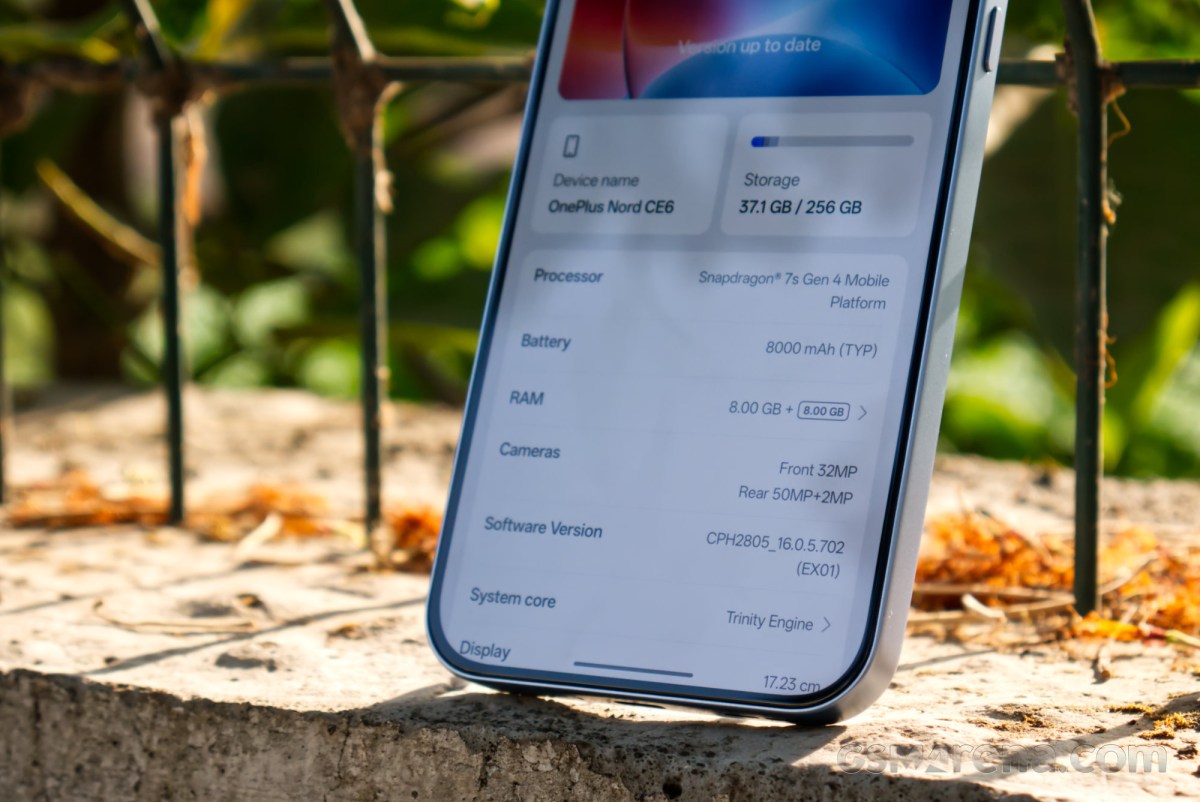
The Nord CE6 runs on the Qualcomm Snapdragon 7s Gen 4 chipset. It offers a single 8GB memory variant with a choice of 128GB or 256GB UFS 3.1 storage. It also drops the microSD memory expansion that was present on previous generation models.
Let's get down to the brass tacks of the chipset situation. The Snapdragon 7s Gen 4 is a minor update over the Snapdragon 7 Gen 3 used in the Nord CE4 from two years ago. This means the performance of the Nord CE6 should be comparable to that of the CE4. More pressingly, it also means this device will be slower than last year's Nord CE5, which was running on the more powerful MediaTek Dimensity 8350.
The numbers lay bare the truth. The CPU results in Geekbench are on par with the Nord CE4 and way behind the Nord CE5. The GPU numbers are the worst among all three; the Adreno 810 is a litmus test for who can fall for the 'bigger number better' trick, as in reality, it's slower than the Adreno 720 found on the older Nord CE4. You'd be forgiven for thinking otherwise, but this is exactly why we run benchmark tests, so you don't get misled by brand shenanigans.
The result is a phone that is a two-year-old time capsule that somehow got worse. We are talking of a performance that cannot match its two-generation-old counterpart. Last year's Nord CE5 almost feels like it's in a different category, in comparison; in the 3DMark test, the Nord CE5 needed to thermal throttle after an extended period to match the fresh performance of the Nord CE6. Just let that sink in for a moment.
GeekBench 6
- Single-core
- Multi-core
 OnePlus Nord 6

 OnePlus Nord CE5
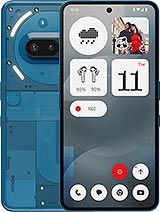
 Honor 400
 OnePlus Nord CE4
 OnePlus Nord CE6
 Motorola Edge 60 Fusion
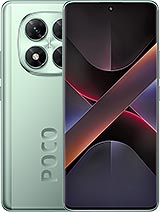
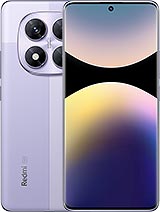
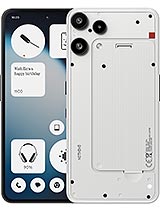
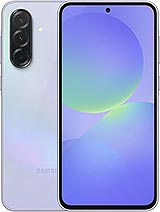
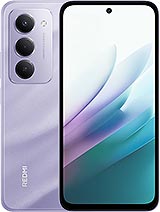
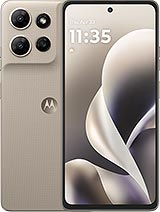 Moto G Power (2026)
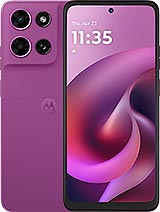 Moto G (2026)
AnTuTu 11
OnePlus Nord 6
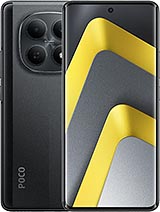
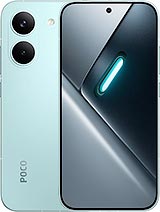 Poco X8 Pro
OnePlus Nord CE5
OnePlus Nord CE6
OnePlus Nord CE4
Moto G (2026)
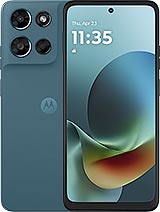 Moto G Play (2026)
3DMark
- Wild Life Extreme (Highest)
- Wild Life Extreme (Lowest)
OnePlus Nord 6
OnePlus Nord CE5
OnePlus Nord CE4
Honor 400
OnePlus Nord CE6
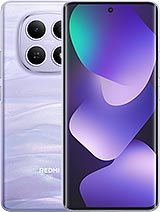
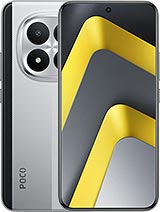 Poco M8 Pro
Moto G Power (2026)
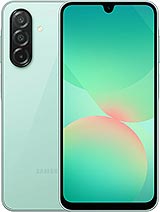
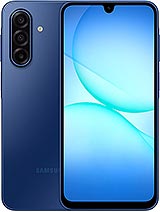 Galaxy A17 5G
You can sort of feel this in everyday use, too. OxygenOS tries to hide it, but the delayed responses and the occasional hiccups while doing things betray the reedy underpinnings. Of a chip already at the end of its rope, but with the expectations of lasting several years more. And blessed with only 8GB of memory, one can only imagine how things would fare at the end of those promised six years of system fluency.
We tried a few games, since that's something OnePlus seemed keen on promoting. BGMI and Call of Duty Mobile both ran well, at up to 90fps, but you have to understand these games will only let you run at higher frame rates at their lowest settings. More demanding titles like Genshin Impact were a struggle, as you can realistically only get 30-40fps at the highest quality settings we test at. This phone strangely does not offer any frame generation, which is odd for a device that could most stand to benefit from it.
OnePlus promises the full 144Hz support only in a handful of titles, which include Clash of Clans, Brawl Stars, Clash Royale, and Subway Surfers. We tried some of them, and sure enough, you get the full 144fps output as advertised. How much that is worth in these titles is for you to decide.
Thermal-throttling
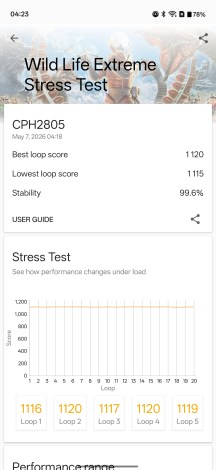
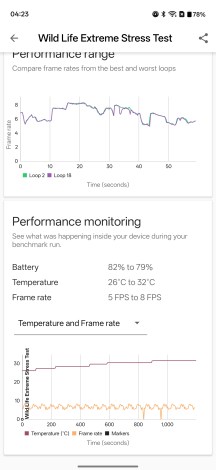
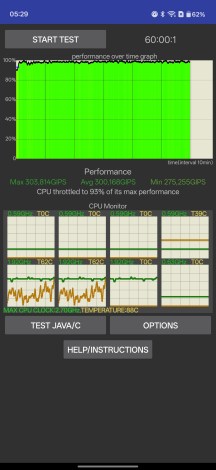
The throttling performance of the Nord CE6 is good, but mostly because the Snapdragon 7s Gen 4 does not consume a lot of power. As such, we are all glad it can retain whatever little performance it is capable of.
Thermal throttling tests


Tip us
2.1m 180k
RSS
EV
Merch
Log in I forgot my password Sign up