Motorola Edge 60 review
Updated triple-camera setup, 50MP selfie shooter
The camera system is one of the bigger upgrades with the Motorola Edge 60. The new Edge retains the excellent main 50MP camera and the decent 10MP 3x telephoto unit, but another 50MP shooter now replaces the old 13MP ultrawide camera. It's a bigger, higher-resolution sensor, so the stills and videos should look better.
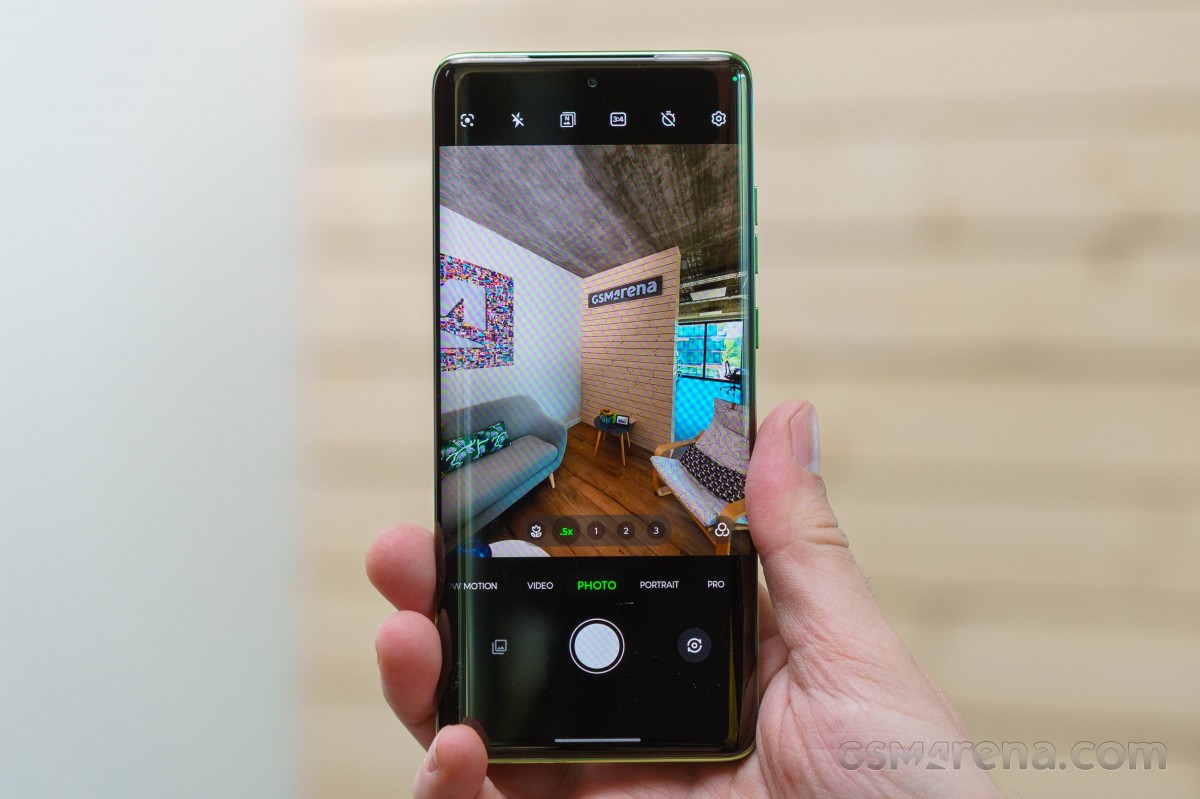
- Wide (main):50MP Sony Lytia 700C, 1/1.55", 1.0µm , f/1.8, 24mm, multi-directional PDAF, OIS; 4K@30fps
- Telephoto: 10MP Samsung S5K3K1, 1/3.94", 1.0µm, f/2.2, 73mm, PDAF, OIS; 4K@30fps
- Ultrawide: 50MP Samsung S5KJN5, 1/2.76", 0.64µm, f/2.0, 16mm, PDAF; 4K@30fps
- Front camera: 50MP, f/2.0; 4K@30fps
Additionally, the dated 32MP selfie camera is swapped out for a better 50MP snapper and wider aperture too. Unfortunately, we weren't able to find the sensor maker.
Daylight photos
Main camera
The primary camera produces nice stills with plenty of color, good sharpness and relatively wide dynamic range. It has some trouble with the fine detail, though. We noticed plenty of soft patches on foliage, especially when rendering grass from a mid to long distance.












Main camera photos
We noticed that the system goes for more contrast, making the shadows a bit darker than we are used to seeing, but we can see some people like this processing style.
Perhaps the biggest issue we have with this camera is inconsistency. We had to delete almost half of the sample photos we took, because they turned out blurry, or without HDR applied, or just extremely soft and noisy. That's why we suggest taking at least two photos of the scene to make sure you have at least one usable picture.
The full-resolution 50MP photos are not particularly good, so we can't recommend using this mode.







50MP photos
Here are some portraits too. The dedicated portrait mode looks rough around the edges and has significantly deteriorated quality.







Portraits: Photo mode • Portrait mode
2x crop zoom
The 2x zoom is okay for the most part. It delivers identical rendering to the 1x Photo mode, which is to be expected, but taking a closer look reveals upscaling artifacts that are very prominent on leaves and foliage. The 2x zoom photos are significantly softer and noisier too.












2x crop zoom photos
The 2x zoom portraits are not ideal too.









2x Portraits: Photo mode • Portrait mode
3x telephoto camera
The 3x telephoto camera is a bit more conservative when it comes to colors and has more limited dynamic range compared to the main shooter, but sharpness, level of detail and overall quality are pretty solid in favorable lighting conditions. The issues start to appear when you take the camera indoors where you will start seeing softer and noisier rendition.












3x telephoto camera photos
Here are some portraits with the 3x camera.







3x Portraits: Photo mode • Portrait mode
Ultrawide camera
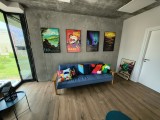
The ultrawide photos look really good, definitely better than last year's Edge 50. The pictures are generally sharp and have plenty of detail, as far as ultrawide cameras go, of course. And color reproduction is spot on. The camera does well in indoor scenarios, too, but the shadows are slightly darker again, and the dynamic range is more limited than the main camera. But to be fair, this is expected.











Ultrawide camera photos
Since the camera has autofocus (kudos for that), it can also take macro-level photos. We are not impressed with the end results, though.



Macro photos
Selfies
The selfies are among the best we've seen in this class. The subject is always well-exposed, the colors are nice and natural, the sharpness is good, and the level of detail is impressive. Dynamic range is wide and noise doesn't seem to be an issue even in poorly-lit scenarios.








Selfies
Low-light photos
Main camera
The low-light main camera photos are generally good. They have plenty of detail, excellent sharpness, and a wide dynamic range, although with a bit conservative color reproduction. However, we noticed the same inconsistency from shot to shot during nighttime photography. Many of the photo samples we took were foggy and extremely noisy. Check out the last scene, for example. It's very fuzzy and noisy compared to the rest.







Main camera photos
Additionally, the excellent sharpness is obviously achieved through post-processing with artificial sharpening. Then again, most people wouldn't mind.
Lastly, we are not a fan of the overly bright shadows as they take away the natural look of the scene, although most nighttime post-processing algorithms do that.
2x crop zoom
The 2x crop zoom mode in low-light conditions is downright unusable. The stills have clipped highlights, they are quite grainy and soft.







2x crop zoom photos
3x telephoto camera
The 3x telephoto shots are much nicer, though, with a good amount of detail, nice colors, wide dynamic range and are generally noise-free too. The stills are pretty good, especially for a tiny sensor like the one used for this telephoto unit.







3x telephoto camera photos
Ultrawide camera
We expected more from the ultrawide camera, especially with its updated 50MP sensor. The photos appear very soft, with limited dynamic range (darker shadows and clipped highlights in places) and a lack of fine detail. The post-processing adds a ton of additional sharpness, but that doesn't help much. The software is heavy on the contrast too, giving the ultrawide photos a much different look compared to the main and telephoto pictures.







Ultrawide camera photos
Video recording
The Edge 60 supports 4K video recording at 30fps with all its cameras, including the selfie unit. The 2160p footage is also stabilized, and there's even a feature called Horizon Lock, which locks the orientation of the video and maintains it. Since this requires a lot of cropping, the device uses the ultrawide camera and the video resolution is capped at 1080p.
You can check out the playlist below, which includes multiple video samples.
On to the actual footage analysis. The 2160p video taken with the main camera looks solid. It's sharp, detailed, with a wide dynamic range and accurate color reproduction.
The 3x telephoto clip is a bit soft for 4K resolution and maybe a bit grainy too, but it's generally good, similar to the main camera's processing.
The ultrawide camera's video recording capabilities are surprisingly good. In fact, it produces more lively colors compared to the main and telephoto units, and it's generally sharp, detailed and with a wide dynamic range.
Unfortunately, we didn't like the low-light main camera sample video. It looks very soft, noisy and with clipped highlights.
The 4K video with the EIS shows perfect stabilization. Leaves no room for complaints.


Tip us
2.1m 180k
RSS
EV
Merch
Log in I forgot my password Sign up