Apple iPhone 17e review
Competition
The iPhone 17e is definitely the most accessible entry point into Apple's ecosystem and maybe the most sensible one for anyone looking to dip their toes into iOS. At $600/€700 starting price for the base 256GB storage, the 17e is the most affordable new iPhone you can get right now. But is it the most sensible midranger in general, or are you better off spending a little bit more for a proper iPhone?
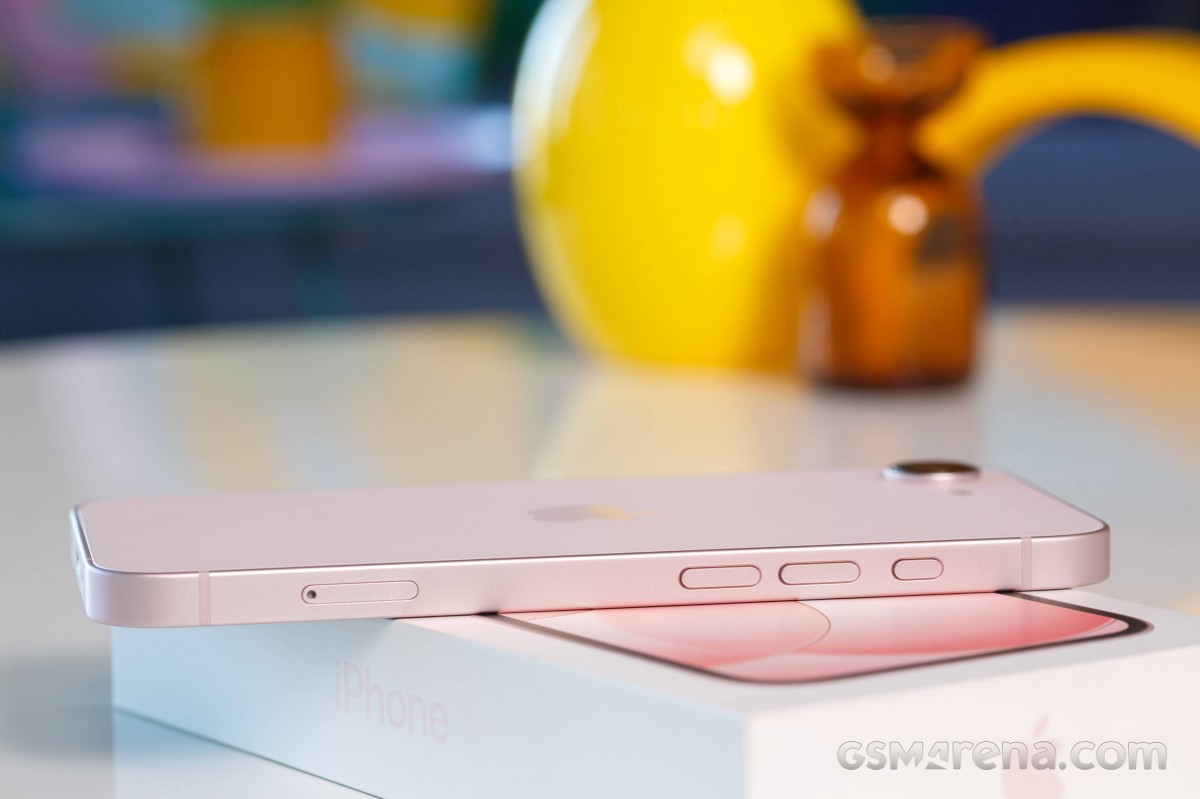
Well, it depends. If you are looking for a mid-range phone in general, the iPhone 17e might not be the most sound choice out there. The iPhone 17e is behind the curve in many aspects compared to some similarly priced Android phones. For instance, it lacks a high-refresh-rate display, which has a huge notch and thick bezels; it doesn't have the biggest battery in town, charging is slow, and there's only one camera on the back, even though it takes very nice photos and videos.


Google Pixel 10a • Samsung Galaxy S26
That's valid for most markets around the world, but not that much for the US, where the phone goes against the Pixel 10a and the considerably more expensive Samsung Galaxy S26. There aren't many other compact phones to choose from over there, so the iPhone 17e with its 6.1-inch display probably feels pretty comfortable on home soil.


Apple iPhone 16 • Apple iPhone 17
In case you are an Apple user looking for an upgrade, consider the iPhone 16, as long as you can find one still in stock. It is close to the 17e in terms of pricing, nearly identical even, but has a brighter display with better HDR capabilities, slightly better battery life, faster wireless charging and again more and better cameras. If you can find an iPhone 16 around you and you are okay with buying a 2024 phone, then you'd get a slightly better value than the iPhone 17e, which feels outdated in comparison in certain aspects, even though it's the newer model.
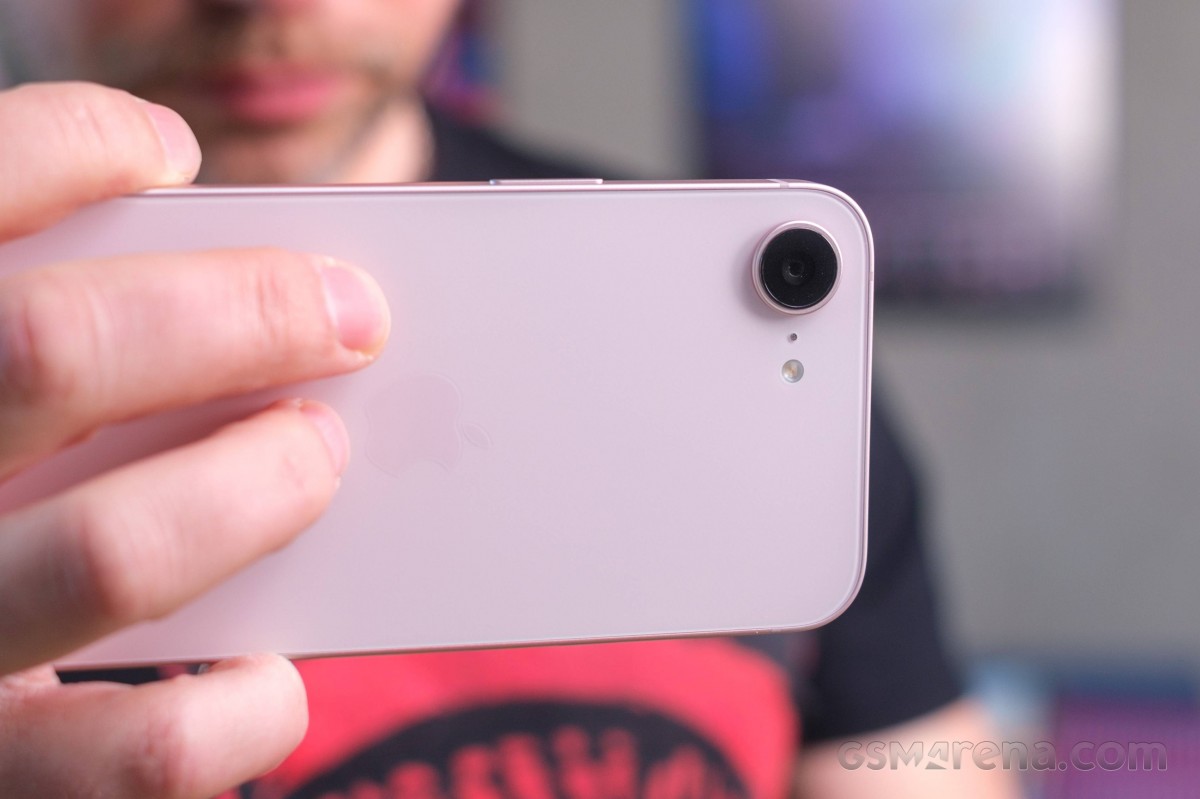
Alternatively, the iPhone 17 is the other option. Surely, it is a much more expensive alternative with a similar battery life, but it has a lot to show for the 200 bucks price premium on top of the 17e. It's got two cameras, better ones at that, a better, high-refresh rate display, a more modern design, and it supports niceties like UWB, reverse wired charging, faster wireless charging and even a slightly more powerful chipset. It would really depend on how much you value those features and whether you are willing to pay for them.
Verdict
At first, the iPhone 17e seemed like an incremental refresh, but it turns out there's more to it. Apple has made meaningful upgrades over the previous generation – performance is up thanks to a faster chipset, battery life is noticeably better despite the still modest battery capacity, charging speed (both wired and wireless) sees some improvement, and MagSafe finally makes its way to the more affordable iPhone tier.

Still, some of the compromises are hard to ignore in 2026. A 60Hz display that barely exceeds 1,000 nits feels outdated, charging speeds remain frustratingly slow, the single rear camera limits versatility, and the front design - with its large notch and thick bezels - looks well behind the curve.
It may be easier to justify in markets with limited alternatives, such as the US. Still, globally, the iPhone 17e struggles to offer compelling value for its price, and if you're after a bargain-priced iPhone, then last year's iPhone 16 fits the bill better.
Pros
- Likable design, durable, portable and lightweight.
- Considerably longer battery life than before.
- Upgraded wired and wireless charging, now supports MagSafe
- Nice-sounding speakers.
- Modern, up-to-date chipset, good sustained performance.
- Solid camera performance with either camera.
- Every iPhone gets at least five years of iOS updates.
Cons
- No auxiliary cameras.
- 60Hz display, no Always On option, and the bezels and notch are quite thick.
- Although improved, charging is still slow.
| 256GB 8GB RAM | $ 501.16 |
£ 587.09 |
| 512GB 8GB RAM | $ 788.52 |
£ 899.00 |
| Show all prices | ||


Tip us
2.1m 180k
RSS
EV
Merch
Log in I forgot my password Sign up