Apple iPhone 17 review
Design, build quality, handling
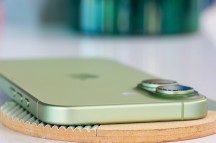
As already mentioned, the vanilla iPhone 17 is the only one of the iPhone 17 crop to maintain its design from last year. This means that you won't be getting the new rear glass insert of the Pro models, which might not be great news for those that want people to know they have the latest Cupertino phone. Others, however, will undoubtedly appreciate the cleaner look of the vanilla model.
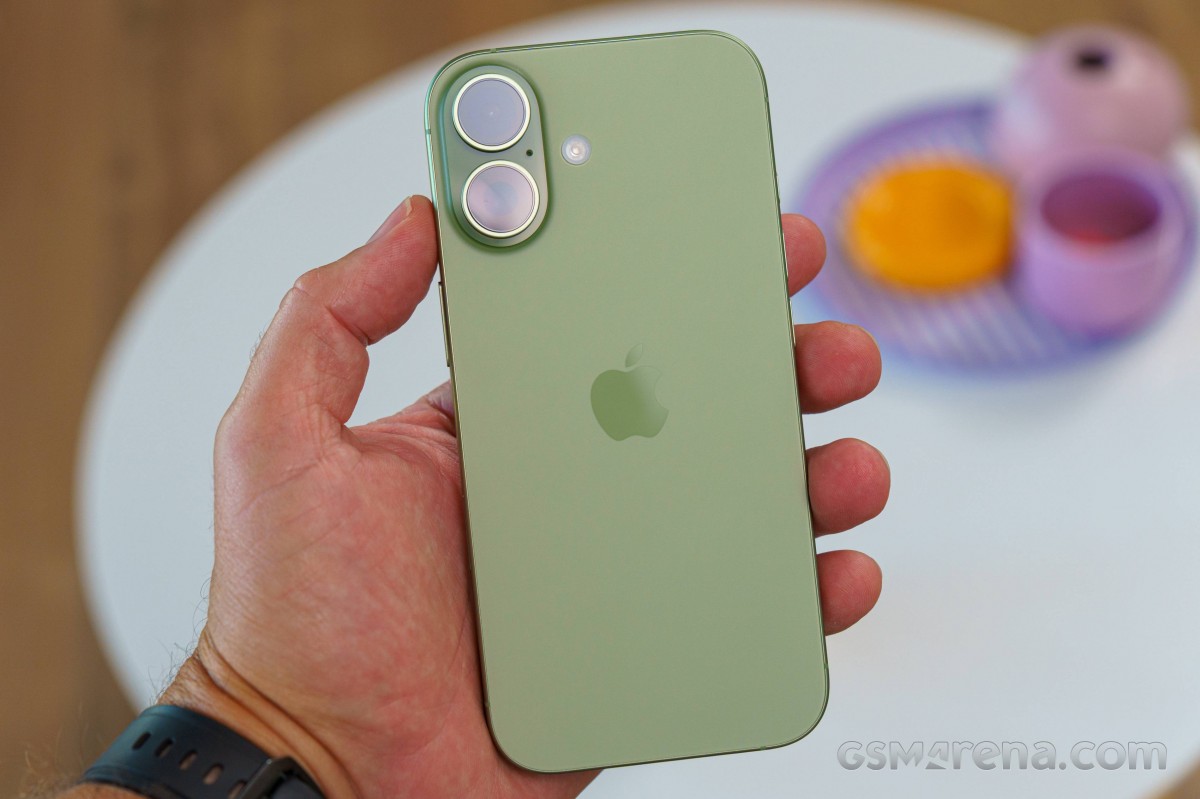
You still get a solid glass piece with a vibrant color and as per tradition, Apple shaken up its color selection. You can still get the iPhone 17 in a traditional Black or White, but this year there are also Mist Blue, Lavander, and Sage as with our unit. Those more colorful options have a pastel-like appearance and are subdued rather than super vibrant.
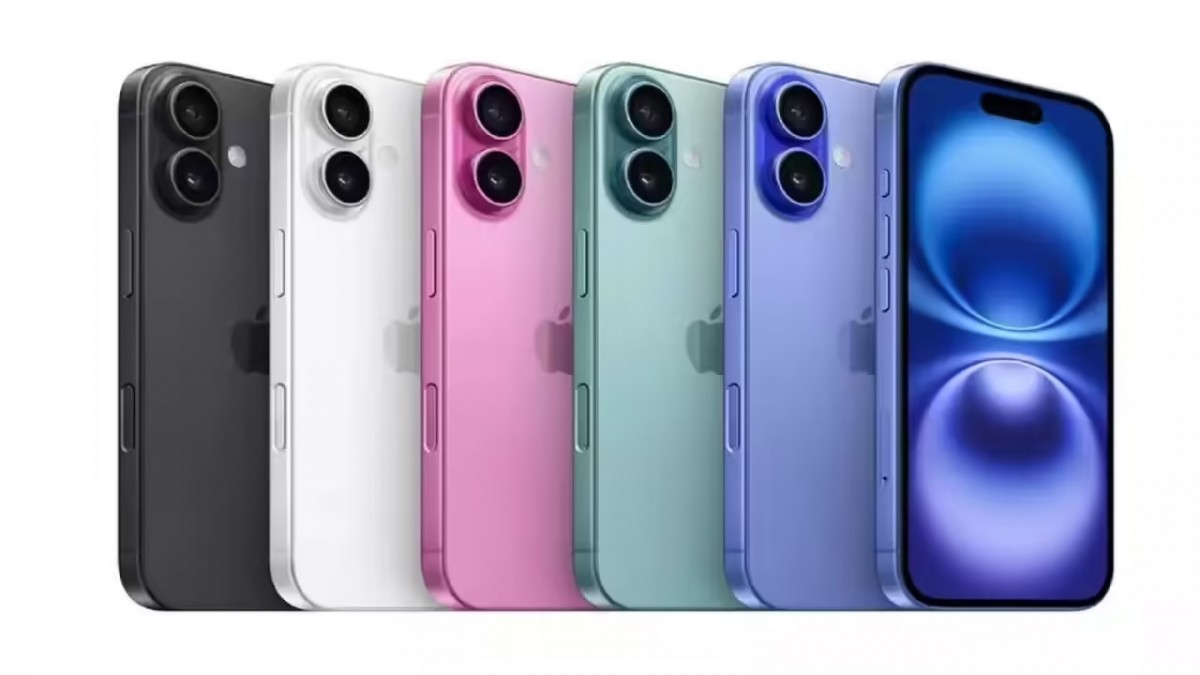
The camera island, if we can call it that, is a more intense version of the main color, with a nice gradient effect. Still, nothing too shiny or gaudy.
The metal side frame is nicely color-matched to the back. The edges are pleasantly rounded for great in-palm comfort, while the actual sides of the frame are flat.
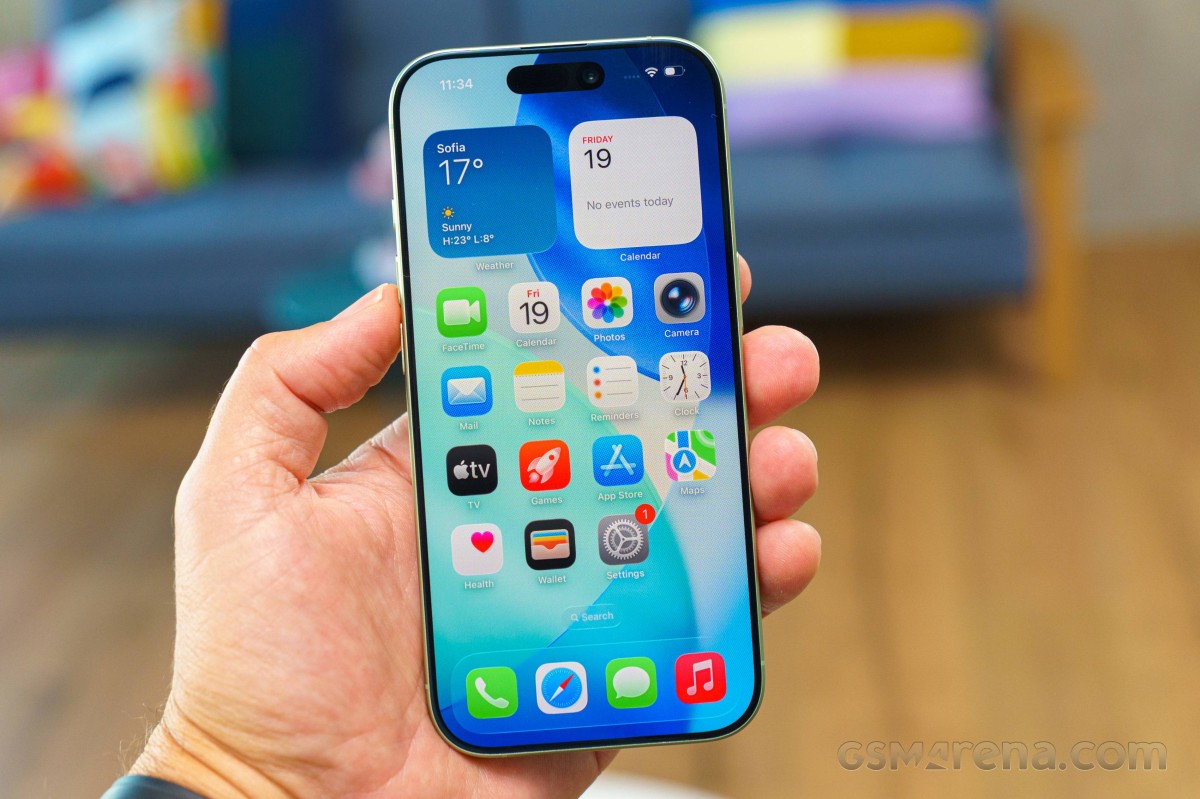
Even without holding the vanilla iPhone 17 next to the vanilla iPhone 16, you will definitely notice a difference in the bezel thickness. As the iPhone 17 gets the "Pro" display it has seen the diagonal grow from 6.1" to 6.3" and its bezels shrink. Still, the actual phone footprint has increased slightly, so it's not a perfect trade. The difference isn't drastic - the vanilla iPhone 17 measures 149.6 x 71.5 x 8 mm and weighs 177 grams - just 7 grams more than last year's model, which is more than justified, considering the upgrades. Impressively, it's almost 30g lighter than the Pro model with the same screen size.
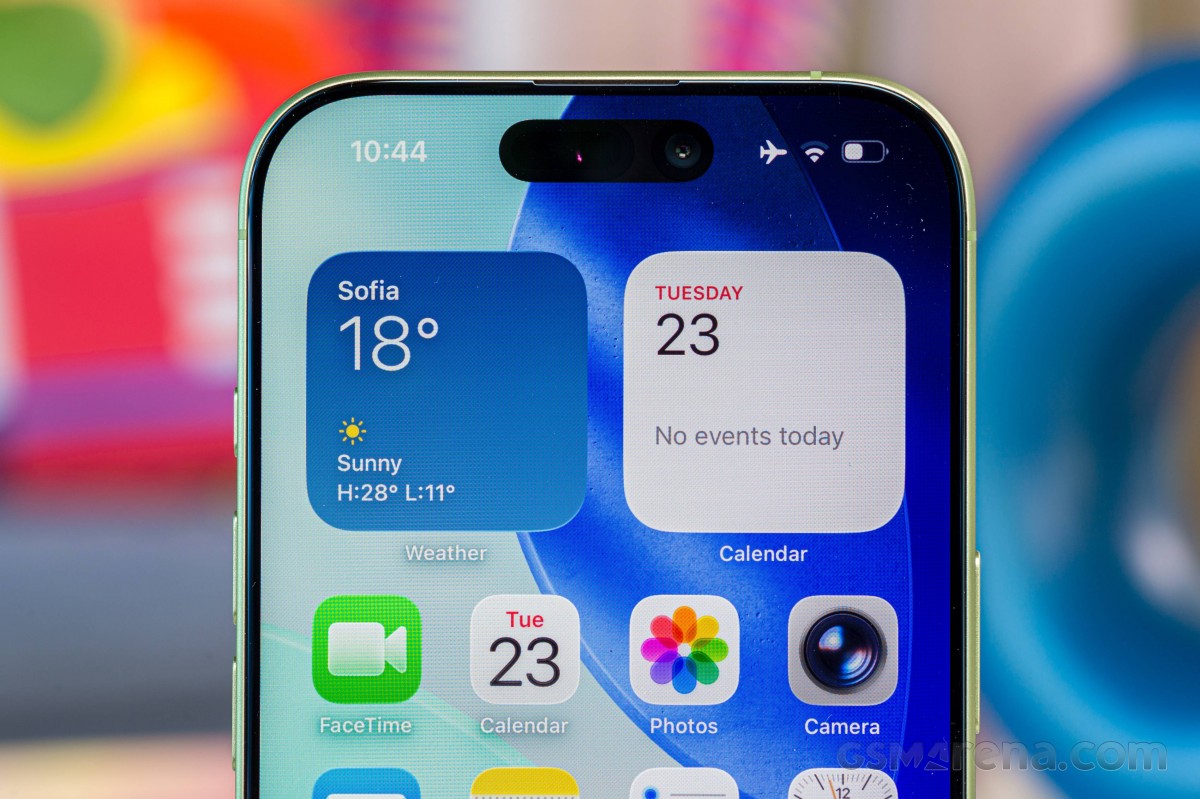
Other than that, not much has changed externally. The display panel definitely improved this year, but it retains the familiar Dynamic Island look. The Dynamic Island on the display features the new and updated 18MP selfie camera, along with the structured light 3D sensor array for the Face ID system. The light and proximity sensors are also in this general area of the display.

Apple iPhone 17
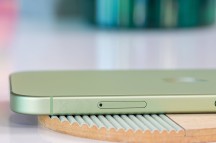
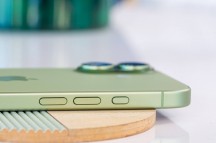
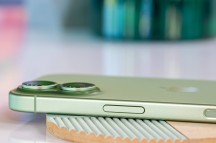
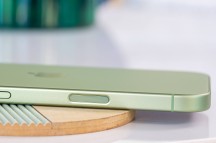
You have more controls here than on your average Android smartphone. The power button, or as Apple calls it, the "Side button," is located on the right frame, and below it is the Camera Control key. On the opposite side, there is the programmable Action button, followed by the volume keys, and then a bit lower down, the Nano-SIM tray.
The phone's bottom houses the Type-C port, the main microphone and a loudspeaker. The earpiece above the display doubles as the second speaker in the stereo setup.
Unlike most modern phones, the iPhone 17 lacks a fingerprint reader, Apple stubbornly persisting with Face ID alone for your biometric unlocking needs.
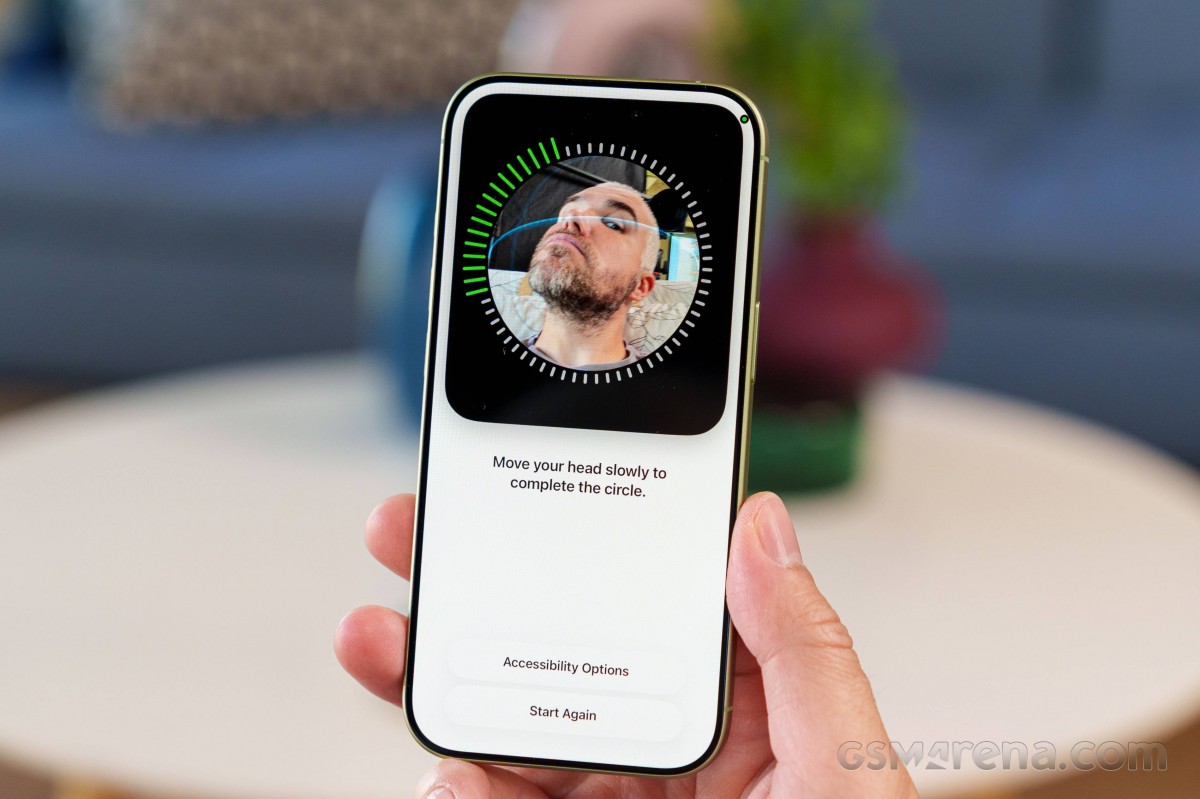
Let's talk materials. Unlike the iPhone 17 Pro models with their unibody design, the vanilla model still employs a "glass sandwich" build. Most of the structural integrity comes from the aluminum middle frame. It is quite sturdy with very little flex. Leave the "bend gate" worries for the iPhone Air buyers (though most tests show it's hardly an issue).
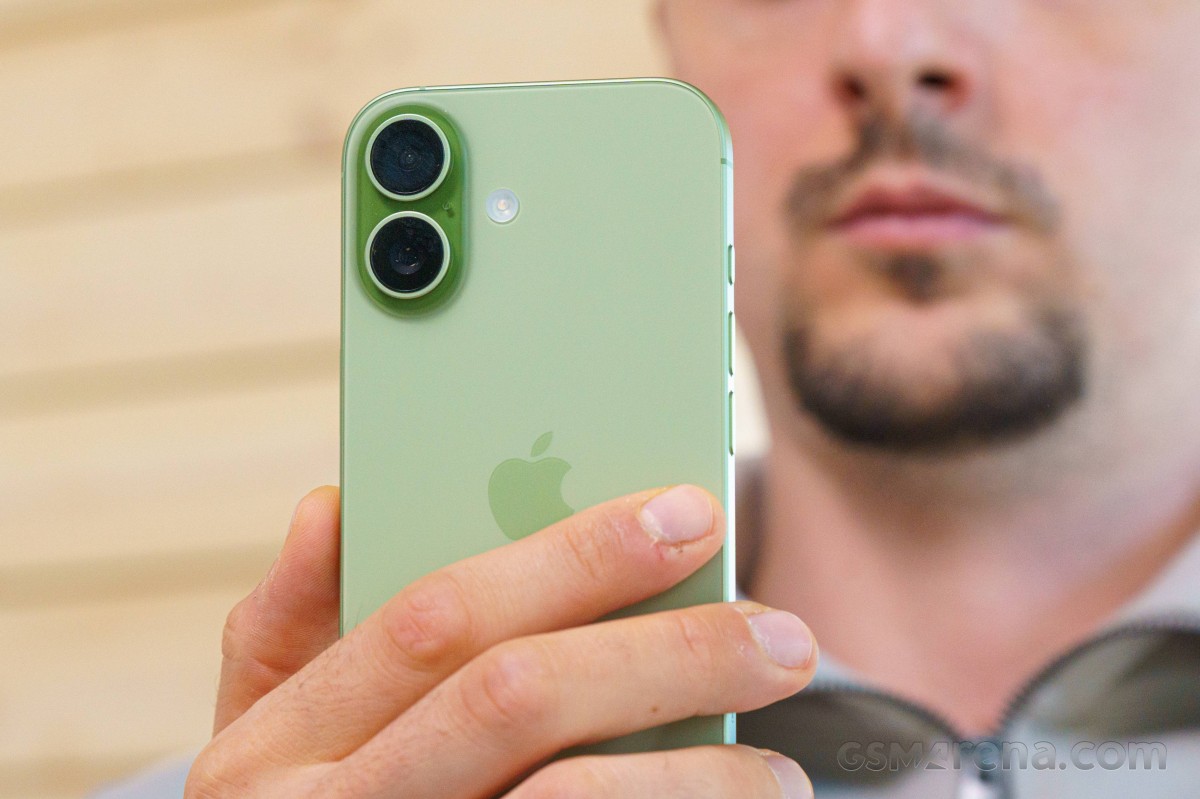
The front and back are both covered with large pieces of glass. The front is a Ceramic Shield 2 piece, with excellent scratch and shatter protection (Mohs level 5). The back side is some variant of Ceramic Shield that, according to Apple, is now four times more crack-resistant than its predecessor.
The aluminum middle frame is not particularly easy to keep clean. It readily gathers smudges and fingerprints and requires constant care and attention. At least the back, which is kind of silky and soft to the touch, fares much better in that regard.
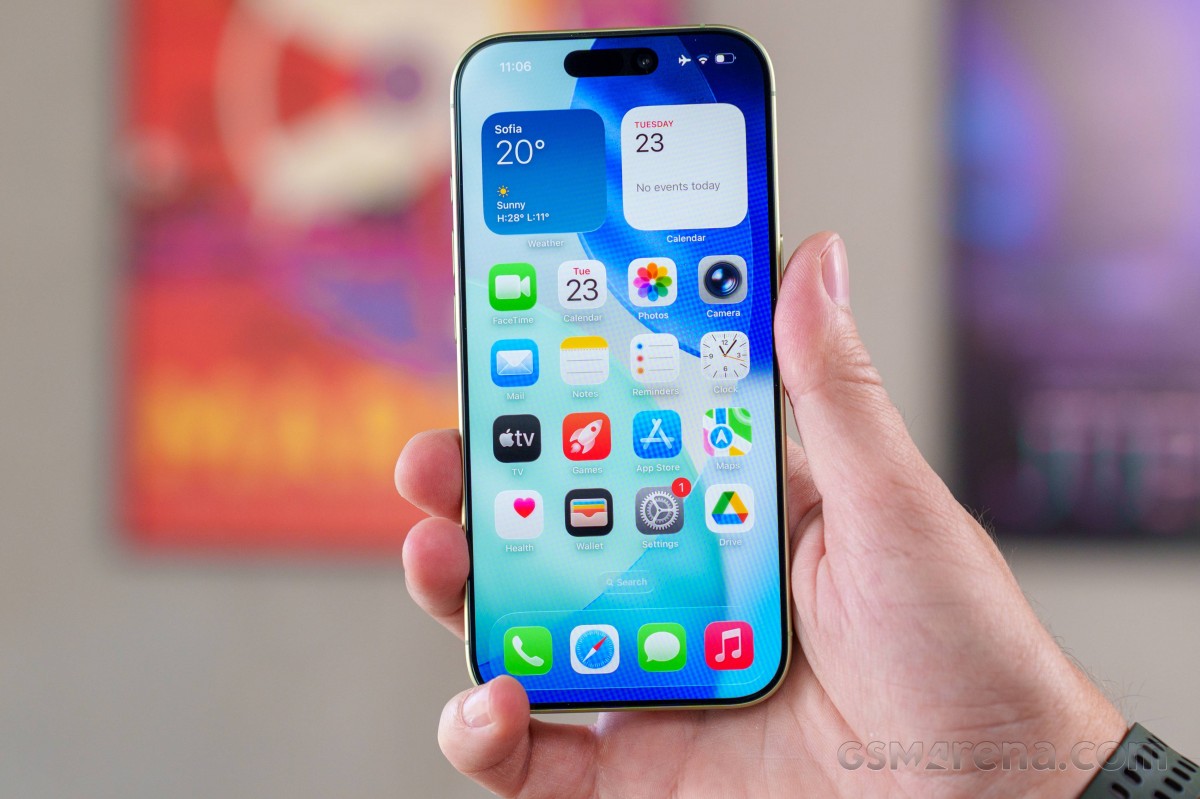
On another positive note, the iPhone 17 offers excellent IP68 ingress protection. It should be able to withstand immersion in up to six meters of fresh water for up to 30 minutes.


Tip us
2.1m 180k
RSS
EV
Merch
Log in I forgot my password Sign up