Samsung Galaxy A07 4G review
The competition
At just around €90, the Samsung Galaxy A07 4G is one of the cheapest mainstream smartphones you can buy today. That makes it hard to find direct rivals at the same price point.

First off, there is last year's Samsung Galaxy A06 4G. It’s a touch cheaper but sticks to a 60Hz HD+ LCD and the slower Helio G85. In our experience its screen is a bit brighter and endurance a bit better than the A07 4G, and otherwise the recipe is similar (50MP main cam, 25W charging, microSD, 3.5mm, FM). The A07 4G counters with the smoother 90Hz refresh, a notably quicker Helio G99, a thinner and lighter body, IP54, and, crucially, Samsung’s new promise of six major Android upgrades versus just two on the A06.
The Samsung Galaxy A16 4G shows what paying more inside Samsung gets you. For about €130 you step up to a sharper 1080p Super AMOLED at 90Hz, a brighter panel, better battery longevity and an ultrawide camera, with NFC in some markets. It shares the Helio G99 and the same six-version update policy with the A07 4G, but it’s heavier, loses the 3.5mm jack and uses a hybrid microSD slot. If your budget stretches, the A16 is the nicer everyday phone; if it doesn’t, the A07 4G preserves the long-term software promise at a far lower price.

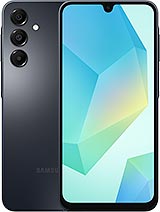


Samsung Galaxy A06 • Samsung Galaxy A16 • Xiaomi Poco C85 4G • Xiaomi Redmi 15C 4G
The Xiaomi Poco C85 4G has a pretty strong set of features: a huge 6.9-inch 120Hz display that gets brighter, a 6000mAh battery with faster 33W charging (plus reverse charging), and NFC in select regions. Under the hood, though, the Helio G81 Ultra and eMMC storage are a tier below the A07’s Helio G99, and the C85 is big and heavy. Software longevity also can’t match Samsung’s six OS upgrades. The A07 4G is the better pick for performance per euro and long-term updates; the Poco wins if you value screen size, 120Hz, and battery stamina above all else.
The Xiaomi Redmi 15C 4G offers a very similar formula to the Poco C85 4G: 6.9-inch 120Hz HD+ LCD, Helio G81 Ultra, 6000mAh with 33W charging, IP64, Gorilla Glass 3, and NFC in some markets. It feels a touch more upmarket thanks to materials, but performance is still a step behind the A07’s G99, and it’s substantially larger and heavier. The Galaxy A07 4G answers with a lower price, a handier size, and the standout six-version Android upgrade pledge, while the Redmi 15C gives you the bigger, brighter 120Hz canvas and faster charging if you can spend more.
Our verdict
The Galaxy A07 4G is not a phone that wins spec sheets - it wins value battles. With a sub-€100 price, it undercuts the entire mainstream market while still improving on last year's model: a smoother 90Hz display, a slightly faster Helio G99, more dependable cameras (especially in low light), and the same big 5,000 mAh battery with 25W PD support. The headline, though, is Samsung's promise of six major Android upgrades - unheard of at this price and easily the A07's single biggest value play.

That value does come with caveats. The HD+ LCD is dim and washed-out outdoors, the single speaker is basic, and performance on the 4GB/64GB base trim is frankly sluggish in day-to-day use. There's no NFC and no eSIM either, and video is shaky due to the lack of stabilization. Yet taken as a whole, the A07 nails the essentials: good endurance, fast-enough charging, a reliable fingerprint reader, a real proximity sensor, a usable main camera, and truly rare long-term software support.

If your budget is limited or you need a reliable primary or backup phone, the A07 4G is easy to recommend. If you can stretch your budget by €50 more, you'll find brighter OLEDs, 5G, and much faster chipsets in the next tier. But at this ultra-budget price, Samsung's blend of longevity and basics done right is tough to beat - just avoid the 4GB base model if possible and spring for more RAM/storage.
Pros
- Class-leading software promise: 6 major Android upgrades.
- 90Hz refresh rate with sensible adaptive behavior.
- Solid battery life and convenient 25W PD charging support.
- Thin and light for the class; IP54 splash protection.
- Dedicated microSD slot, 3.5mm jack and FM radio still on board.
- Side fingerprint reader is fast and reliable; real proximity sensor.
- The main camera is dependable in daylight and improved in low light for the price.
Cons
- Dim HD+ LCD with washed colors and poor outdoor legibility.
- Noticeable lag on the 4GB/64GB base model.
- No eSIM support.
- No NFC for contactless payments.
- Single bottom speaker; average quality and no stereo.
- No OIS/EIS; shaky video and 1080p cap with the stock camera app.
| 128GB 4GB RAM | $ 165.00 |
|
| Show all prices | ||


Tip us
2.1m 180k
RSS
EV
Merch
Log in I forgot my password Sign up