OnePlus 13s hands-on review
Camera hardware
The OnePlus 13s has an unconventional and somewhat controversial camera system on the back. The phone makes do with a dual camera system that includes a standard wide and a 2x telephoto but with no ultra-wide capabilities.
The OnePlus 13s shares its rear cameras with the OnePlus 13R. Both phones have a 50MP f1.8 main camera and a 50MP f2.0 2x telephoto camera. Like the 13R, the 13s has OIS for the main camera but only EIS for the telephoto camera. Crucially, the 13s lacks the ultra-wide found on the 13R.
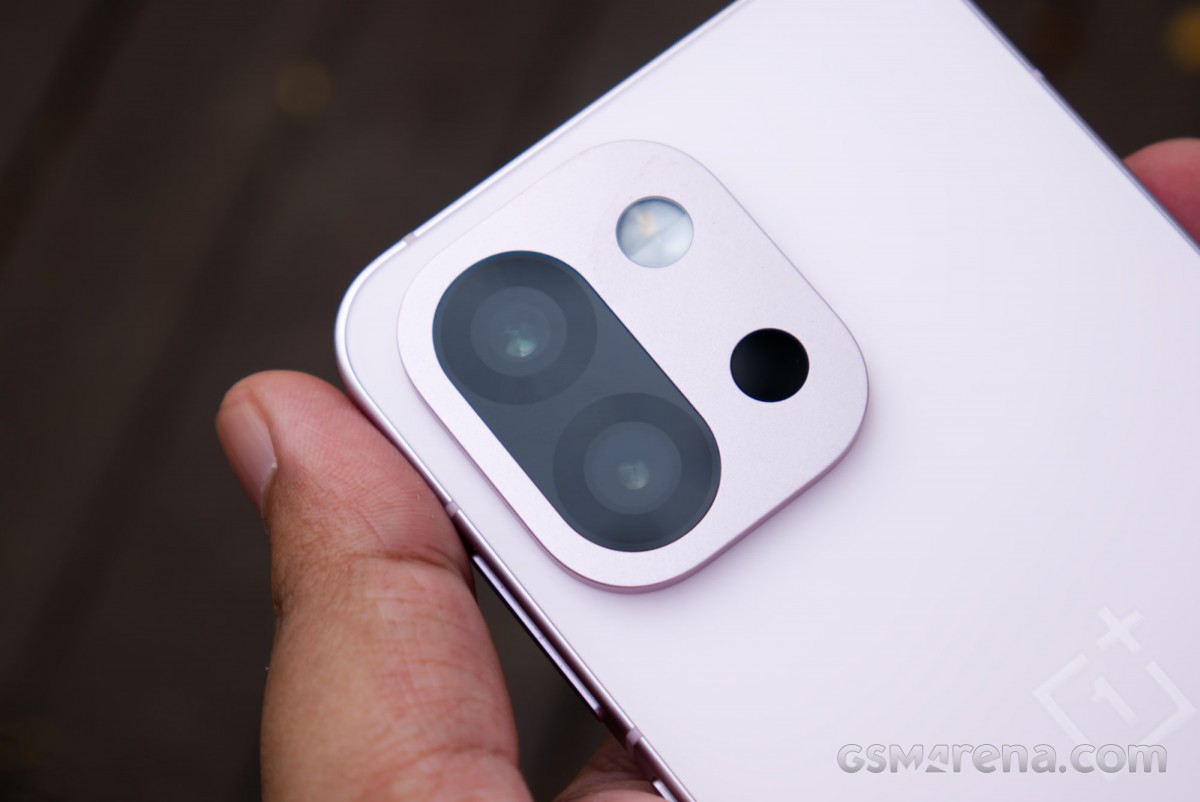
This is certainly an odd state of affairs. Not since the Pixel 4 have we seen a manufacturer boldly eschew an ultra-wide on the back of the phone in favor of a telephoto, as the typical configuration for a dual camera system is wide+ultra-wide, not wide+telephoto.
This makes sense, as you can emulate a 2x or even higher crop factor from a sufficiently high-resolution main camera. However, there is no way to emulate an ultra-wide perspective from a standard wide lens without employing third-party lens attachments or using some sort of AI trickery. So for all practical purposes, the only way you are getting an ultra-wide perspective out of a OnePlus 13s is by simply walking further away from your subject.
When asked about this choice, OnePlus informed us that most people prefer to use the telephoto camera on their phones over the ultra-wide. A quick poll within our office and also on social media confirmed this; an overwhelming number of people voted in favor of the telephoto if they had to choose between it and an ultra-wide for their second camera. And it seems OnePlus was forced to choose as space was at a premium inside the phone.
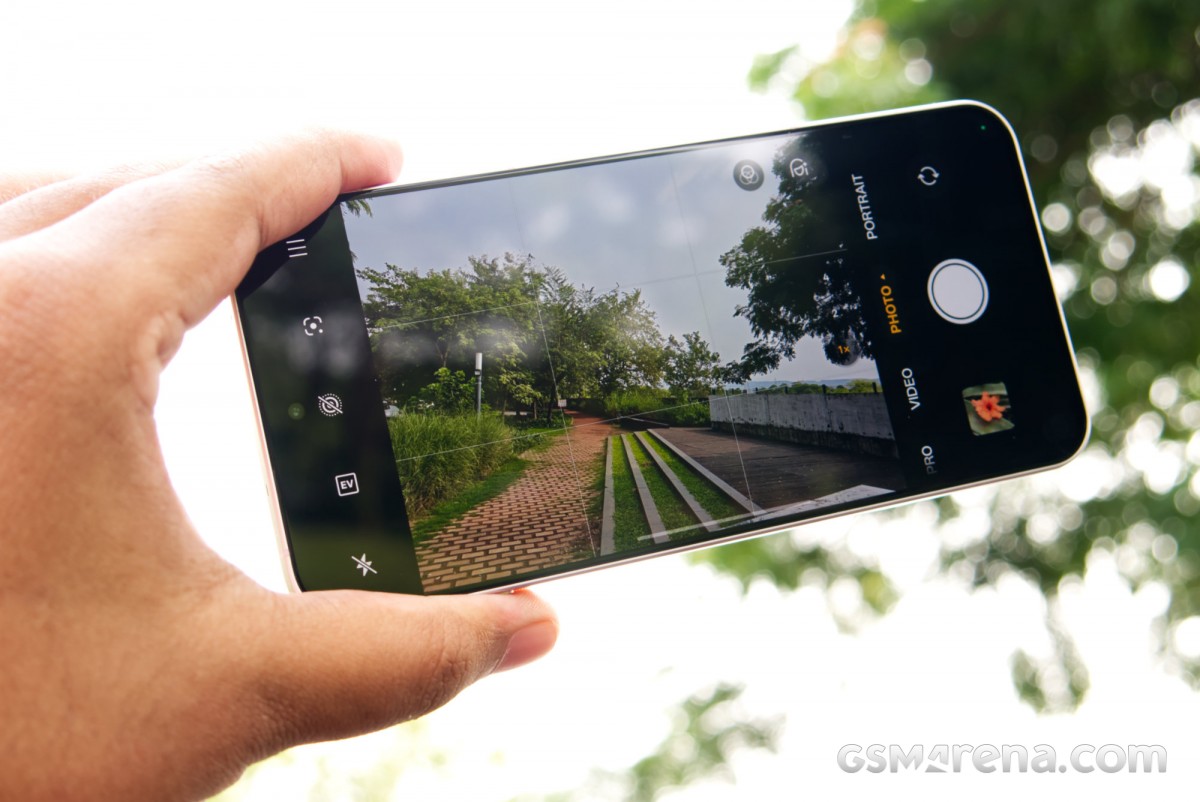
But most people seemed to have more than 2x telephoto on their minds if they had to choose a telephoto over an ultra-wide, and this is where the OnePlus 13s comes short. It feels like you are not getting enough zooming capabilities when you bartered that ultra-wide in favor of that 2x telephoto. A 2x barely qualifies for a supposed flagship and you feel further shortchanged when you realize you aren't even getting OIS on it.
Without an ultra-wide or a dedicated lens, the OnePlus 13s has limited macro capabilities. The phone switches to macro mode on the main camera when you get close enough to the subject but only if you have a 2x or higher zoom level selected. This is because the main camera cannot focus on subjects closer than about 8cm from the lens and needs digital zoom to sufficiently magnify the subject. The telephoto also has no macro capabilities.
In a bid to makeup, the front camera on the OnePlus 13s is more than what one has usually come to expect from OnePlus. The 13s has a 32MP front camera that is the first to feature auto-focus for a OnePlus device. This is one of the few changes over the 13T, which has a 16MP fixed-focus front camera. The camera on the 13s can also do 4K 30fps video whereas the 13T unit can only do 1080p.
Camera app
The OnePlus 13s is not a Hasselblad-branded phone so the camera software experience is closer to the 13R than the 13. However, the overall experience and feature set are close enough that it's not a big loss.
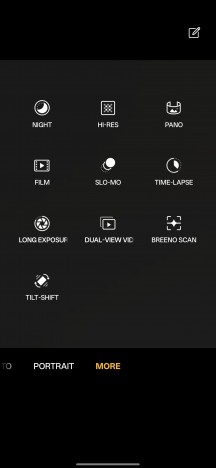
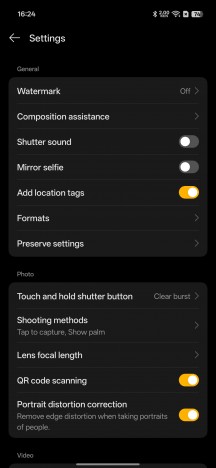
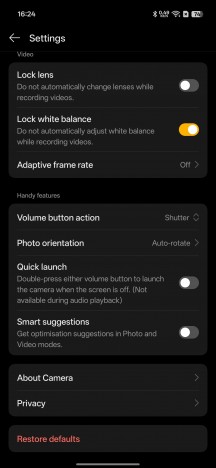
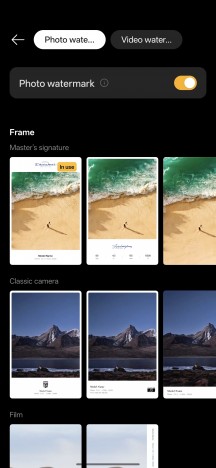
Camera app
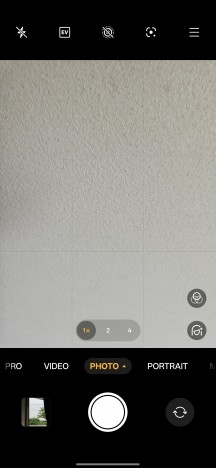
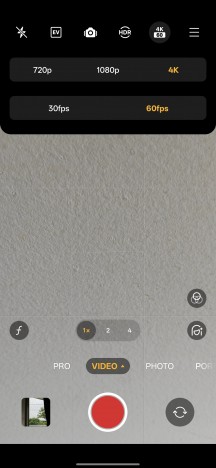
The camera app on the OnePlus 13s is one of the better ones around, with a well-laid-out interface and adequate, relevant features. It has the options you need and gets out of your way while shooting, and that's just how we like it to be.
Image quality
Let's start with the main camera on the OnePlus 13s, which we are reasonably familiar with now. Image processing is similar to that of the 13R, with good detail and vibrant colors with punchy contrast, occasionally at the cost of shadow detail. However, while this did seem to be the default behavior, there were times when the images looked oddly flat and low-contrast in comparison.















1x main samples
The telephoto camera matches the main camera to a T, often down to the inconsistent processing of the colors. Images from this camera are slightly softer without the slight oversharpening of the main camera but the level of detail is just as good.
















2x telephoto samples
The camera app has a handy 4x toggle, which makes taking a leap from the 2x easier without having to manually drag the zoom dial. We had our doubts about this mode but it turned out there was no need for them as the 2x sensor seems to have enough latitude to get perfectly usable or even good 4x images.
















4x telephoto samples
The macro results weren't as impressive. Macro images tend to invite close-up examination and the main camera cannot keep up in terms of detail when digitally zoomed in even at 2x, let alone further. You can get decent results at times but this isn't macro photography by any stretch of the imagination and you can get these results from any phone by digitally zooming in a bit.








Macro samples
Finally, there is the front camera. This camera produces decent image quality but suffers from OnePlus' tendency to capture full-resolution images from front cameras that were clearly not designed for it. This 32MP sensor looks like it was meant to produce 8MP binned images as the default 32MP image is clearly very soft. Resize the image down to 8MP and you get tack-sharp results more in line with what the camera was meant to produce.


Selfie samples
The autofocus results in perfect focus on faces but is more helpful in videos when you're trying to show something on camera. You can hold it closer to the lens and get sharp focus on it as long as you make sure you cover your face as the focus priority will always be on faces.
Video quality
The OnePlus 13s produces excellent quality videos from its main and telephoto cameras, in both 30fps and 60fps frame rates. You get ample detail and good colors, and the optional Dolby Vision HDR makes the videos absolutely pop off the screen, much like ProXDR does for the photos.
The only exception to this is the front camera videos, which neither offer HDR nor 60fps.


Tip us
2.1m 180k
RSS
EV
Merch
Log in I forgot my password Sign up