iQOO 15 review
Bright and fast OLED with all the HDRs
The iQOO 15 features a new 6.85-inch LTPO OLED panel with a standard QHD+ resolution (1440 x 3168px). The display supports a 144Hz refresh rate and carries all the HDR video certifications you might need - HDR10+, HDR Vivid and Dolby Vision. This is a step up from last year’s iQOO 13, which offered fewer HDR standards.
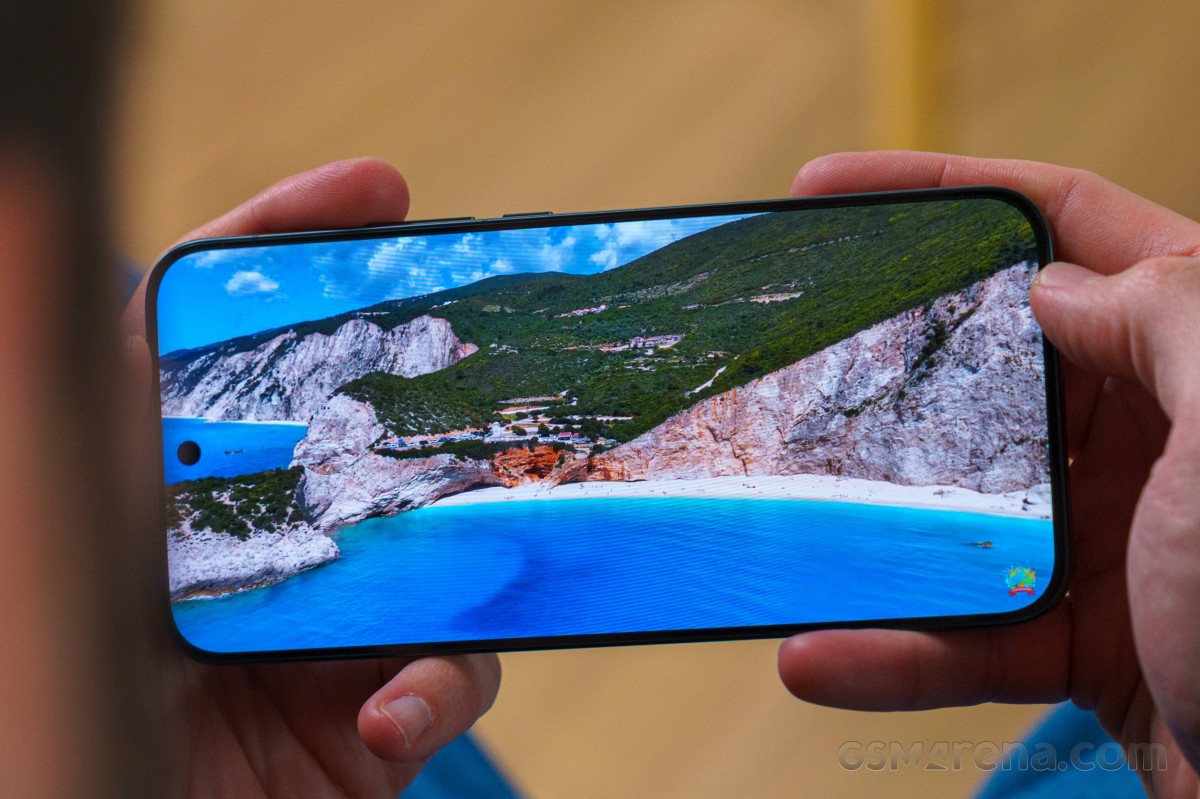
When it comes to performance, the iQOO 15’s panel aced our tests. The screen reached 1,313 nits of maximum brightness in auto mode with a white pattern with a 75% APL pattern. With a smaller, 10% APL white pattern, it peaked at 3,014 nits. In manual mode, the panel still achieved a notably high 831 nits.
Max display brightness test
White test pattern (nits)
- Manual (75% fill)
- Auto (75% fill)
- Peak Auto (10% fill)
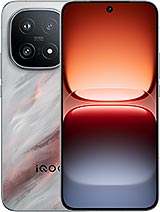 iQOO 15 (gallery)
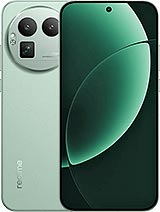 Realme GT 8 Pro (gallery)
Realme GT 8 Pro
 iQOO 13
 OnePlus 15
iQOO 15
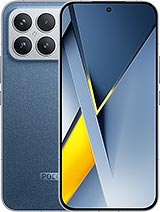 Poco F8 Ultra
However, we also tested the display in the default Gallery app, and the results were jaw-dropping. With a 75% APL, the display boosted to 2,933 nits, while a 10% made the display reach the mind-boggling 4,747 nits. Both values are in auto mode, of course. We also found this brightness boost to be consistent, and not just for a few seconds.
These results ensure not only an excellent outdoor experience, but also proper HDR support. In addition, the display omits the polarization layer, which helps reduce reflectiveness and as a bonus, you can use it with your sunglaseses without any issues.
Interestingly, the handset is also marketed as the first in the industry with a triple ambient light sensor. This means you will find not the regular one but three sensors. One is positioned under the display, as usual, while the other two are on the back (presumably). This ensures better automatic brightness adjustment no matter the lighting conditions or the scenario.
Refresh rate
The iQOO 15's refresh rate modes are three: Smart adaptation, Standard and High. The first one is self-explanatory; the Standard limits the refresh rate to 60Hz, and the High setting forces some apps to boost the refresh rate to 120Hz.
Regardless of the refresh rate mode, the system will dial down to 1Hz when the screen is idle, and we often saw 30 and 45Hz in some rare instances. When playing videos on YouTube, for example, the screen lowers its refresh rate to 30Hz for 30fps and 24fps videos and goes up to 60Hz for 60fps videos.
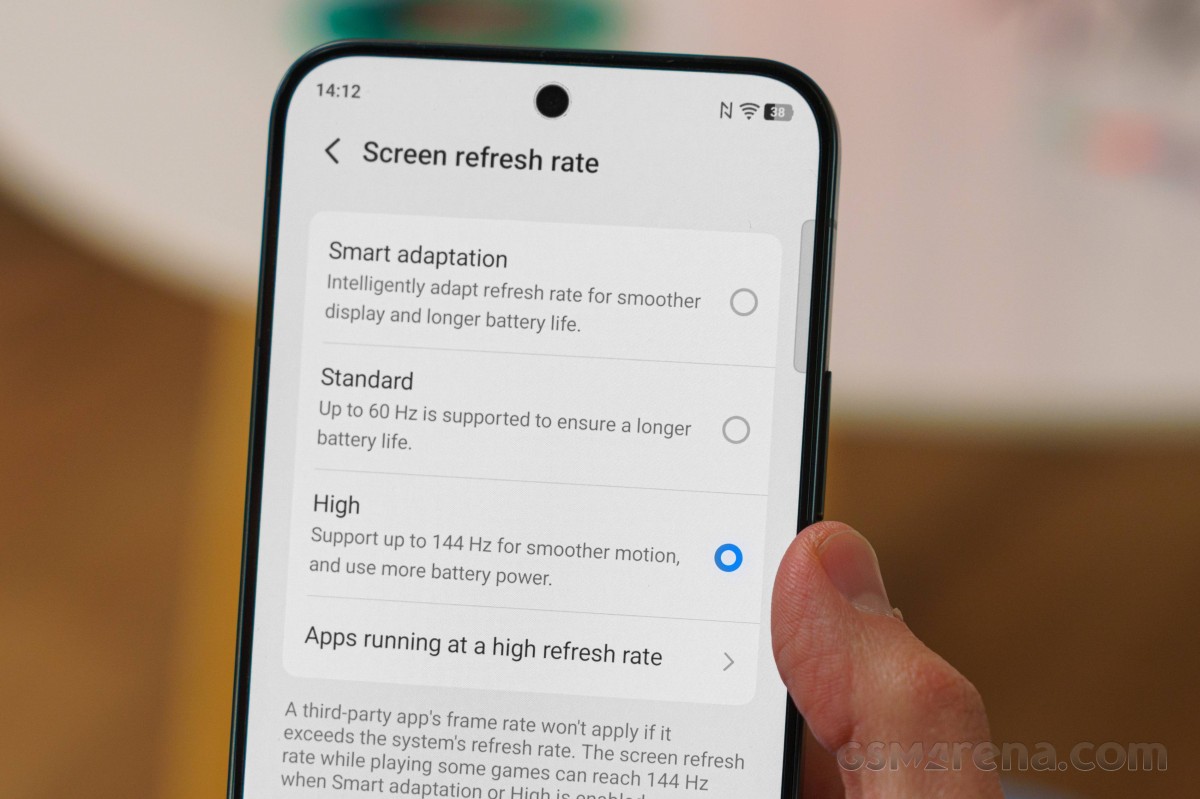
Unfortunately, even at High refresh rate mode, the system wouldn't boost to 144Hz. In fact, some apps like Chrome will cap at 90Hz if you use the Smart adaptation setting.
Battery life
Expectedly, the iQOO 15 posted excellent battery endurance results. The 7,000 mAh battery capacity is generous enough on its own, but we suspect that the software, the chipset and the display also have a say in this excellent turnout.
The Active Use Score of 21:47h is more than respectable, and it's even comparable to other phones running on bigger batteries. We are most impressed by the web browsing and video playback runtimes.
Charging speed
The iQOO 15 offers a downgraded 100W fast charging over vivo's FlashCharge protocol, compared to last year's 120W wired charging. That may be due to the increased battery capacity, as it's now 7,000 mAh.
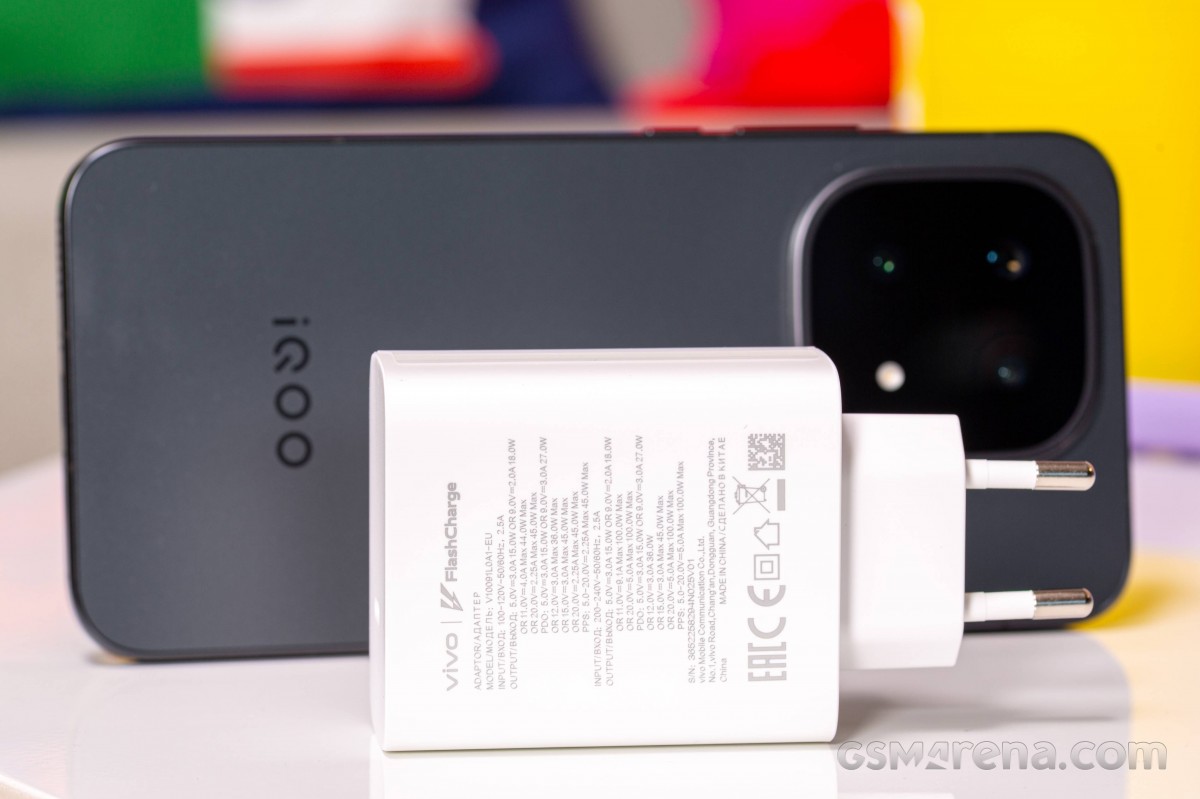
Despite the downgrade being rather modest on paper, in reality, the charging speed is notably slower now. In the first 30 minutes, the handset reached 60% charge, while a full charging cycle took a full 52 minutes.
On the other hand, the iQOO 15 isn't too far behind the competition, and it seems to play well with 100W USB PD PPS chargers as it achieves roughly the same charging times compared to the proprietary FlashCharge.
Charging speed
- in 15 min
- in 30 min
- Time to full charge (from 0%)
iQOO 13
Realme GT 8 Pro (USB PD)
OnePlus 15 (USB PD)
 vivo X300
 (USB PD)
iQOO 15
IQOO 15 (USB PD)
Of course, the iQOO 15 has a handful of charging-related options to maintain battery health throughout the phone's life cycle. For instance, you can disable fast charging altogether or limit the charging capacity. Bypass charging is also on the menu, and it is particularly useful when gaming with the cable plugged in, as it helps avoid heat build-up that can interfere with the phone's performance.
Speakers
The iQOO 15 uses a hybrid stereo speaker setup, although iQOO claims the two speakers are "symmetrical". The top speaker, which also acts as an earpiece, does have an echo chamber of its own, but it still sounds noticeably quieter than the bottom speaker.
Loudness-wise, the handset earns a "Very Good" -25.0 LUFS score, lower than last year's iQOO 13, but still more than decent. However, quality leaves more to be desired. Music tracks sound a bit too flat to our taste, even for a smartphone. It's not just about bass. The vocals are also lacking depth.
Use the Playback controls to listen to the phone sample recordings (best use headphones). We measure the average loudness of the speakers in LUFS. A lower absolute value means a louder sound. A look at the frequency response chart will tell you how far off the ideal "0db" flat line is the reproduction of the bass, treble, and mid frequencies. You can add more phones to compare how they differ. The scores and ratings are not comparable with our older loudspeaker test. Learn more about how we test here.


Tip us
2.1m 180k
RSS
EV
Merch
Log in I forgot my password Sign up